
Stews
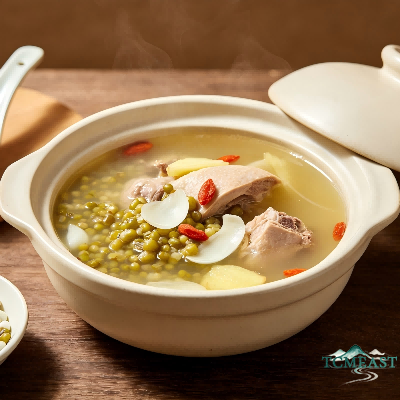
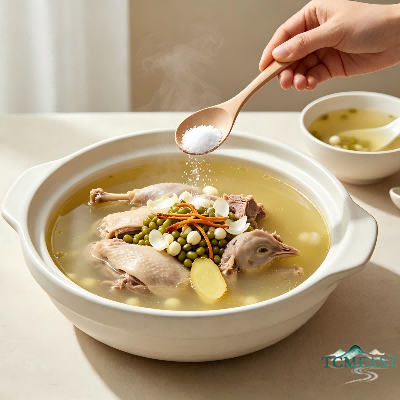
Mung Bean, Lily Bulb and Pigeon Soup
Mung bean, lily bulb and pigeon soup is a classic Cantonese medicinal soup. Mung beans clear heat, detoxify, and relieve summer heat. Lily bulbs nourish yin, moisten the lungs, and calm the mind. Pigeon nourishes yin, moistens dryness, and tonifies qi and blood. Slowly simmered together, the soup is clear, with tender pigeon, creamy mung beans, and soft lily bulbs – sweet and refreshing. As the saying goes, "one pigeon is better than nine chickens". This soup clears heat without being too cold and nourishes without being greasy – especially suitable for summer heat, late nights, and yin deficiency dryness. It is a true "natural fire-extinguishing soup" for the hot season.
Main Ingredients
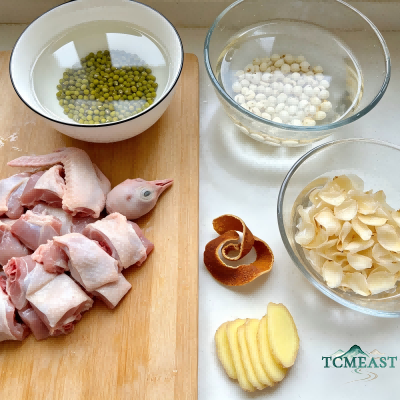
- Pigeon (squab or old pigeon) 1 pc (approx. 400-500g)
- Mung beans 50g
- Dried lily bulbs 20-30g
- Lean pork 150g
- Dried tangerine peel (Chenpi) 1 small strip
- Fresh ginger 3 slices
- Salt to taste
- Water approx. 2-2.5L
Steps
Clean the pigeon, remove innards, head and tail, and cut into large pieces. Soak mung beans in water for 1-2 hours. Soak dried lily bulbs in warm water until soft. Soak Chenpi in warm water until soft and scrape off the white pith. Slice the ginger.
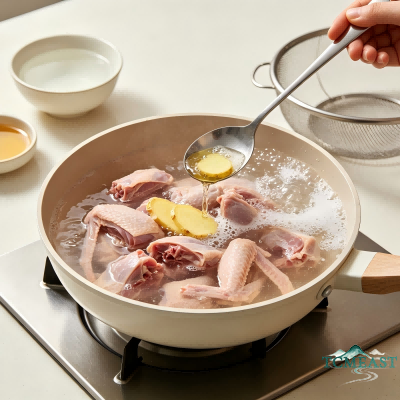
Place pigeon pieces in a pot with cold water, add ginger slices and a little cooking wine. Bring to a boil, skim off foam, and boil for about 3 minutes. Remove and rinse with warm water.
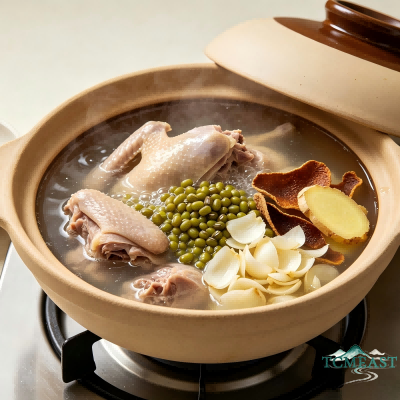
Place the blanched pigeon, soaked mung beans, lily bulbs, Chenpi, ginger slices (and lean pork if using) into a clay pot. Add water (approx. 2-2.5L). Bring to a boil over high heat, then reduce to low heat, cover, and simmer for 1.5-2 hours until the pigeon is tender and the mung beans have burst open.
Add salt to taste 10 minutes before serving. Stir well and serve hot.
TCM Notes
Clearing heat, detoxifying & relieving summer heat (core benefit of mung beans): Mung beans are cold in nature and sweet in taste, acting on the heart and stomach meridians. They clear summer heat, relieve thirst, and promote urination. Modern research shows mung beans are rich in protein, dietary fiber, potassium, and magnesium – helping to expel damp-heat toxins and replenish electrolytes lost through sweating. The Compendium of Materia Medica records that they "treat heat toxins, wind-heat rashes, and relieve heat". Nourishing yin, moistening the lungs & calming the mind (core benefit of lily bulbs): Lily bulbs are sweet in taste and slightly cold in nature, acting on the lung and heart meridians. They nourish lung yin, relieve lung dryness, clear the heart, and calm the mind. They are effective for dry cough with little phlegm, insomnia, excessive dreaming, and restlessness caused by yin deficiency with fire-excess. Modern research shows lily bulbs contain lilioside, colchicine, and other compounds with sedative, hypnotic, and immunomodulatory effects. Nourishing yin, moisturizing dryness & tonifying qi and blood (core benefit of pigeon): Pigeon meat is neutral in nature and sweet in taste, acting on the liver and kidney meridians. The New Compendium of Materia Medica records that it "moistens the lungs, nourishes yin, and tonifies kidney essence". Pigeon meat is high in protein, low in fat, and rich in iron, zinc, and other trace minerals. After simmering, the broth is delicious and easy to absorb – replenishing body fluids without being greasy or heat-generating. Regulating qi & balancing cold nature (the role of Chenpi and ginger): Mung beans and lily bulbs are both cool in nature. Chenpi regulates qi, strengthens the spleen, and dries dampness. Ginger warms the center and disperses cold – together they remove gamey flavors, balance the cool nature of the soup, and make it more harmonious.
Suitable for:Those suffering from summer heat, thirst, dry mouth, or poor urination Those with yin deficiency with fire-excess, restlessness, insomnia, or excessive dreaming Those with oily skin, acne, or heat-toxin accumulation Those who stay up late, eat spicy food frequently, or have internal heat Those recovering from illness or surgery needing gentle nourishment General population for summer heat relief and daily wellness
Not suitable for:Those with spleen-stomach deficiency-cold, loose stools, or diarrhea (Use with caution or avoid!): Mung beans and lily bulbs are both cold in nature and may worsen deficiency-cold symptoms. Symptoms include cold intolerance, abdominal pain, loose stools, and stomach pain after eating cold foods. If consuming, add extra ginger and Chenpi to balance the cold nature. Those with wind-cold colds (Avoid!): Symptoms include chills, fever, thin white phlegm, and clear runny nose – the cooling soup may worsen the condition. Those with acute gout flare-ups (Use with caution!): Pigeon meat and mung beans contain moderate purines – strictly limit or avoid during acute attacks. Pregnant women (Use with caution): Mung beans are cold in nature and pigeon has blood-activating properties – pregnant women should consult a physician before consuming. Those with yang deficiency or cold extremities (Use with caution): The soup is cooling and may worsen yang deficiency symptoms. Those allergic to mung beans, lily bulbs, or pigeon (Avoid).
