
Seeking the Truth of TCM
Wu Fang: Ancient Physician & Founder of Infant Cranial Fontanel Diagnosis
Wu Fang, minister to Emperor Yao, was an ancient physician and shamanic healer who authored the Luxin Jing on infant fontanel diagnosis to predict child longevity and disease.
Tong Jun: Legendary Pharmacologist & Pioneer of Chinese Materia Medica
Tong Jun was a minister to the Yellow Emperor and an ancient pharmacologist famed for his expertise in herbal medicine. Tao Hongjing records his works on herb identification and formula pairing.
Legendary Physician of High Antiquity — Guiyuqu
Guiyuqu, also known as Guirongqu and styled Da Hong, was a legendary minister to the Yellow Emperor in high antiquity. He assisted the Yellow Emperor in developing the theory of the five elements and expounded in detail on the pulse and meridian theory, delving deeply into the principles of the Nanjing (Classic of Difficult Issues). The Tang dynasty scholar Wang Bing, in his annotations to the Suwen, quoted Guiyuqu's references to the Taishi Tianyuan Ce (Great Beginning Celestial Origin Register), noting that Guiyuqu's lineage had practiced medicine for ten generations since Shennong and had preserved these ancient divination texts. He stands as a pioneering figure in the integration of TCM theory with astronomical and calendrical studies.
Legendary Physician of High Antiquity — Shaoshi
Shaoshi was a legendary medical minister to the Yellow Emperor in high antiquity, renowned for his expertise in human constitutional theory. In answering the Yellow Emperor's questions about yin and yang in the human body, he stated: “Within heaven and earth, within the six directions, nothing departs from the five; humans likewise correspond to them.” He provided detailed descriptions of the constitutional types, personalities, and behavioral characteristics of five kinds of people. Shaoshi's constitutional theory was later developed by Korean medical scholars into “Sasang (Four-Image) Constitutional Medicine,” making him one of the early founders of constitutional classification in Chinese medicine.
Legendary Physician of High Antiquity — Lei Gong
Lei Gong was a legendary medical minister to the Yellow Emperor in high antiquity, particularly skilled in acupuncture, moxibustion, and complexion diagnosis. In the Huangdi Neijing (Yellow Emperor's Inner Canon), the Yellow Emperor and Lei Gong discuss medicine in a question-and-answer format, emphasizing the tradition of "reciting and understanding, understanding and distinguishing, distinguishing and clarifying." The Lei Gong Yao Dui (Lei Gong's Drug Pairings) is attributed to him. His discussions with the Yellow Emperor in the Suwen and Lingshu on meridians and needling laid an important theoretical foundation for Chinese medicine.
Legendary Physician of High Antiquity — Jiudaiji
Jiudaiji was a legendary medical master of high antiquity, revered by Qibo as the “Former Teacher” and regarded as Qibo's own instructor. The Suwen · Yi Jing Bian Qi Lun records that he “regulated the complexion and pulse to communicate with the divine intelligence,” integrating the inspection of complexion and pulse diagnosis with the five elements, the four seasons, the eight winds, and the six directions to perceive their subtleties and grasp their essentials. He is the founding figure of the “combined assessment of complexion and pulse” theory in TCM diagnostics, exerting a profound influence on the formation of the diagnostic system of the Neijing.
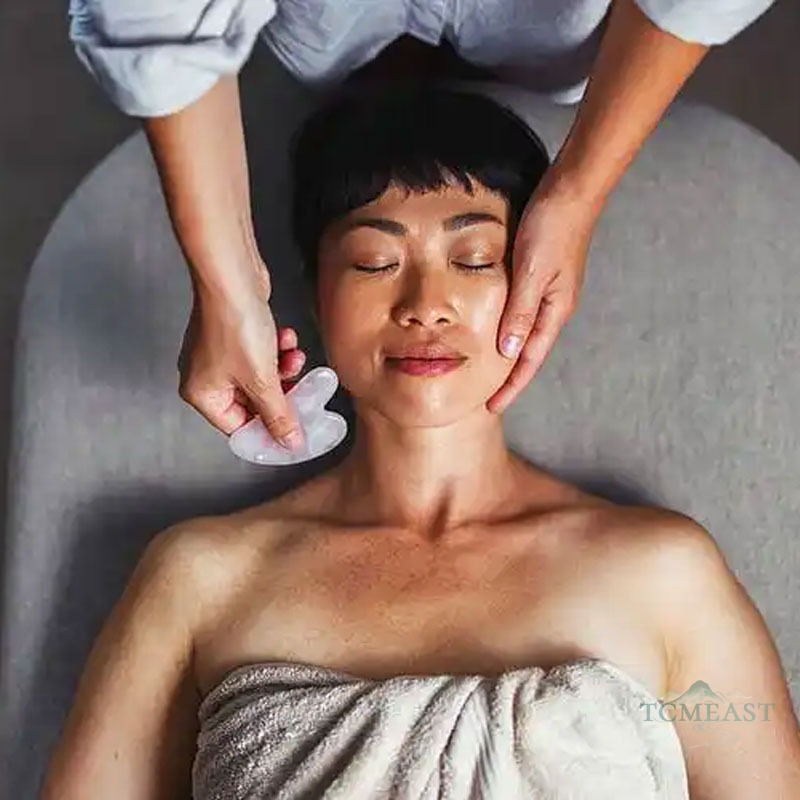
Gua Sha for Beginners: Tools, Technique and Skin Benefits
Learn what gua sha is, how to choose a tool, how to perform a safe face and body routine, and what those temporary marks really mean. A practical beginner's guide.
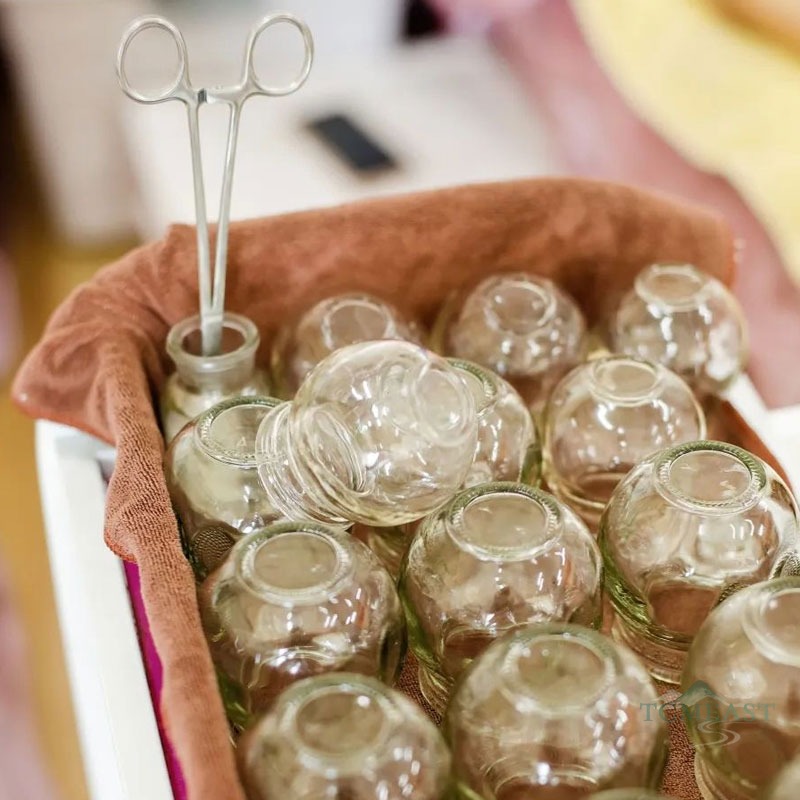
Cupping Therapy Explained: Benefits, Risks and What to Expect
What cupping therapy actually does, why it leaves marks, which conditions it suits best, and what to expect from a session. A clear, evidence-aware guide from a TCM perspective.
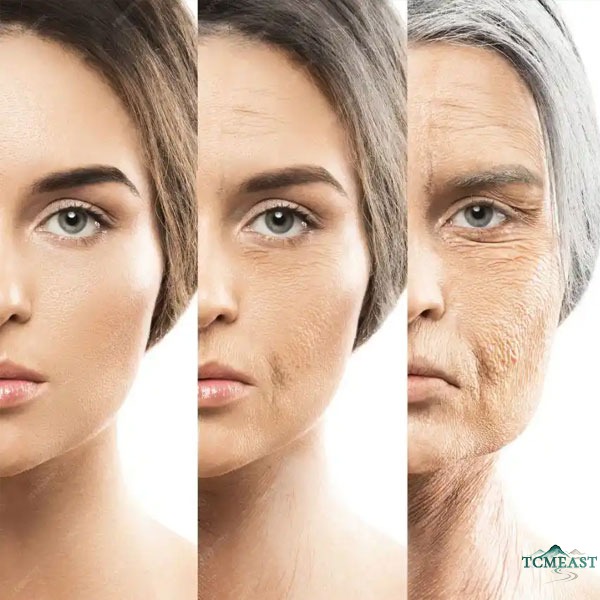
Anti-Aging Herbs in Chinese Medicine: Ancient Wisdom for Longevity
Explore the most powerful anti-aging herbs in Traditional Chinese Medicine. From Goji berries to Ginseng and Reishi — learn how these longevity tonics work, how to use them, and the lifestyle practices that kept ancient Chinese sages youthful.
The Characteristics of Visceral Manifestation Theory
Visceral manifestation theory (Zang-Xiang) embodies two core characteristics. The first is a holistic view centered on the five zang organs, which organizes all internal organs, sensory orifices, bodily constituents, and mental activities into five functional systems — heart, liver, spleen, lung, and kidney — integrated through meridians, the dynamics of the five elements, and correspondence with the external environment to form a unified organic whole. The second is a spatiotemporally conceived structural-functional model, in which the qi of the zang organs waxes and wanes in accordance with season, time of day, and directional orientation, emphasizing functional dynamics over detailed morphology — its essence being a multi-entity structure centered on systemic function.
The Formation of Visceral Manifestation Theory (Zang-Xiang)
The formation of visceral manifestation theory (Zang-Xiang), marked by the completion of the Huangdi Neijing, rests on four foundations: the accumulation of ancient anatomical knowledge (as seen in the Lingshu and dissection practices under Wang Mang); long-term observation of human physiological and pathological phenomena ("inspecting the exterior to infer the interior"); repeated validation through medical practice (supplementing organs through corresponding animal organs, treating zang by draining fu); and the methodological influence of ancient Chinese philosophy — qi monism, yin-yang, and five elements theory. This theoretical construction evolved from solid anatomy to a functional paradigm, representing the ancients' synthesis of objective observation and subjective reasoning.
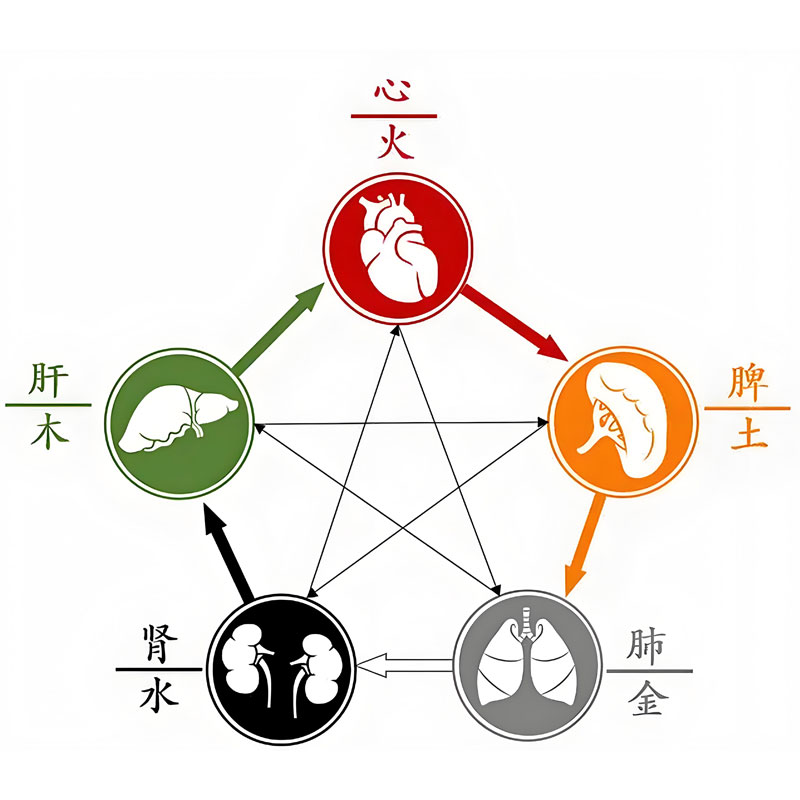
The Classification of Zang-Fu Organs and Their Physiological Characteristics
Chinese medicine classifies the internal organs into three categories: the five zang, the six fu, and the extraordinary fu organs. The five zang (heart, lung, spleen, liver, kidney) store essence qi — “they store and do not drain; they are full but not solid.” The six fu (gallbladder, stomach, small intestine, large intestine, bladder, sanjiao) transmit and transform substances — “they drain and do not store; they are solid but not full.” The extraordinary fu organs (brain, marrow, bone, vessel, gallbladder, uterus) resemble the zang in function while differing from the fu in morphology, likewise storing without draining. This article draws on classical sources to explain their physiological characteristics and the clinical significance of the principle that “zang diseases tend toward deficiency, fu diseases tend toward excess.”
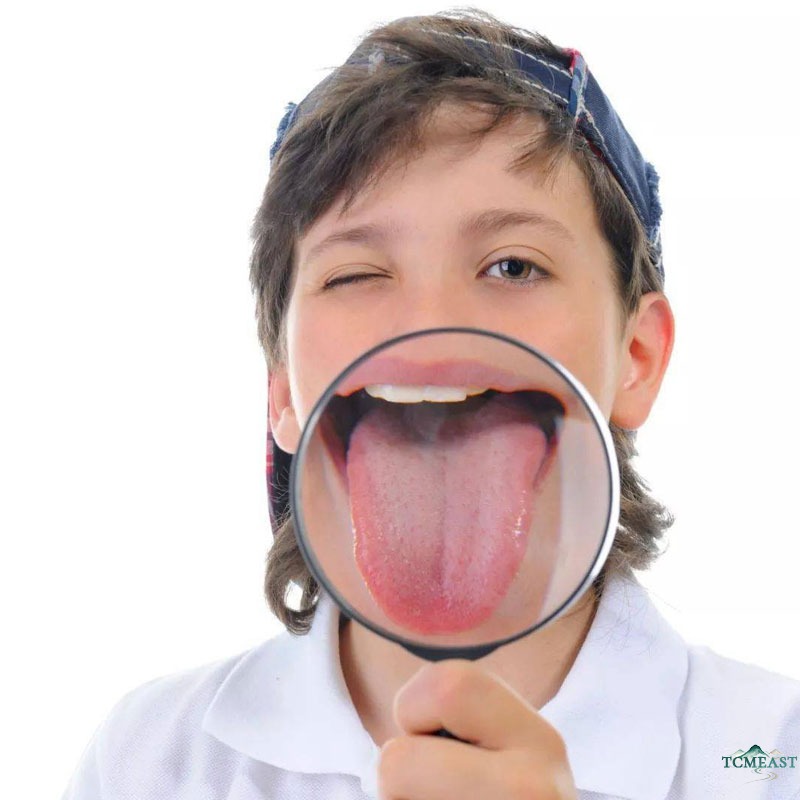
Tongue Diagnosis: A Beginner's Guide to Reading Your Own Tongue
Tongue diagnosis is one of the most accessible TCM diagnostic tools you can learn. This beginner's guide explains what the color, shape, and coating of your tongue reveal about your internal health.
What Are Symptom, Pattern, Disease, and Pattern Differentiation in TCM Diagnostics?
In TCM diagnostics, “symptom” (症) refers to the individual abnormalities felt or observed, serving as the primary basis for analysis. “Pattern” (证) is the essence of a disease stage, revealing etiology, pathogenesis, location, and nature. “Disease” (病) is the entire evolution process with specific laws. “Pattern differentiation” (辨证) is the analytical thinking process that synthesizes clinical data to determine the pattern. These four concepts form the hierarchical and logical core of TCM diagnostic reasoning.
The Main Content of TCM Diagnostics
TCM Diagnostics comprises four major components: diagnostic methods, disease diagnosis, pattern differentiation, and case records. Diagnostic methods, namely the Four Examinations, rest on the principle of “inspecting the exterior to infer the interior,” deducing internal pathology from external signs. Disease diagnosis identifies the specific disease entity. Pattern differentiation, the essence of Chinese medicine, distinguishes the subtle differences among symptoms, patterns, and diseases. Case records provide a written account of clinical management. These four components together form the complete system of TCM diagnostics.
What Is TCM Diagnostics?
TCM Diagnostics is a discipline that studies the basic theories, knowledge, and skills for examining disease conditions and differentiating disease patterns under the guidance of basic TCM theory. Serving as the bridge between foundational theory and clinical specialties, it employs a holistic and dynamic approach, collecting clinical data through the Four Examinations (inspection, listening and smelling, inquiry, and palpation), conducting pattern and disease differentiation, and forming a comprehensive understanding of the patient's condition — thereby providing the basis for clinical prevention and treatment. It is a core course in the TCM professional curriculum.
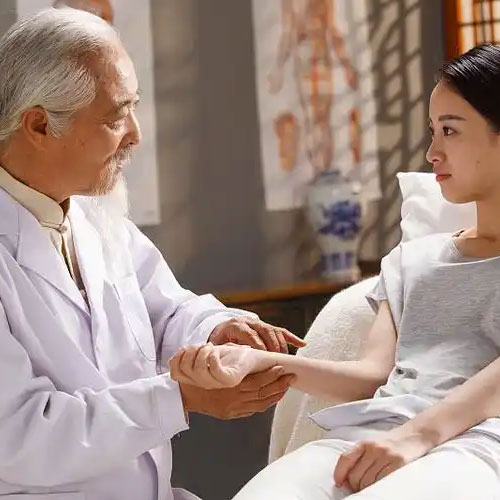
The Theoretical Basis of Inspection (Wang)
Inspection (Observation) is a fundamental TCM diagnostic method based on visceral manifestation and meridian theory. By examining the vitality, color, form, and posture of the body's exterior, five sense organs, and five body constituents, it infers the state of the internal organs and the dynamics of essence, qi, and spirit. Learn the key correspondences such as the lung governing skin and hair, and how changes in the face, eyes, tongue, and body surface reflect health or disease.
What is Inspection (Wang)?
Inspection (Wang) is the diagnostic method of observing the patient's body shape, facial complexion, tongue body, and tongue coating, and determining the location and nature of the disease based on changes in form and color.

TCM for Insomnia & Anxiety: Herbs, Acupressure & Soothing Recipes
A complete guide to understanding and treating insomnia and anxiety through Traditional Chinese Medicine. Learn the best herbs, acupressure points, and medicinal recipes for deep, restful sleep.
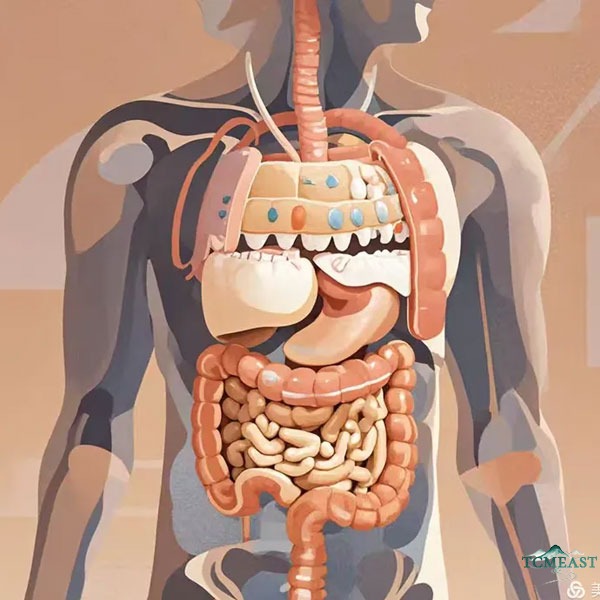
TCM for Digestion & Gut Health: Herbs, Acupressure, and Dietary Wisdom
Discover how Traditional Chinese Medicine supports digestion and gut health — strengthening Spleen qi with herbs, acupressure points for bloating and indigestion, and time-tested dietary wisdom for a healthy digestive system.
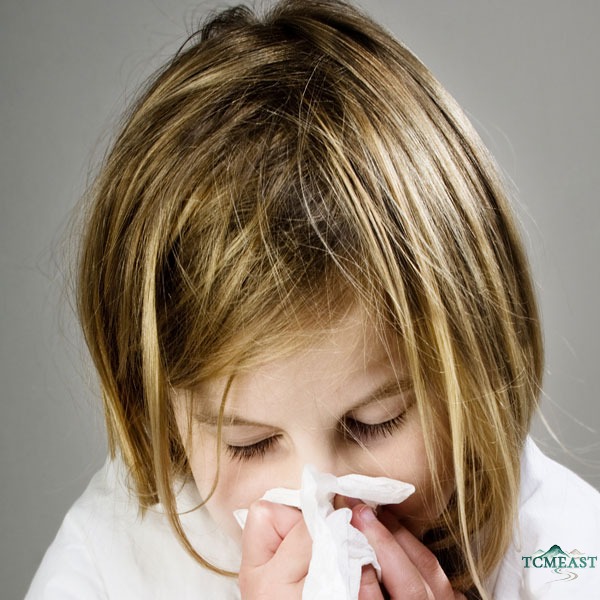
TCM for Allergies & Allergic Rhinitis: Strengthening the Body Defenses
Learn how Traditional Chinese Medicine approaches allergies and allergic rhinitis. Strengthen your wei qi with herbs like Astragalus, acupressure techniques, and dietary changes for lasting relief.
Differential Diagnosis of Common Symptoms — Difficult Urination and Edema
Difficult urination (dysuria, urinary retention) and edema are both common symptoms of impaired water metabolism, closely related to the lung, spleen, kidney, bladder, and sanjiao qi transformation. This article systematically outlines nine patterns of dysuria (damp-heat accumulation, heat congesting the lung, Taiyang water retention, wind-water struggle, yang deficiency water flooding, strangury, heat disease damaging yin, among others) and nine patterns of edema (wind-water struggle, dampness trapping the spleen, spleen yang deficiency, kidney yang deficiency, heart-kidney yang deficiency, yang deficiency near collapse, dual yin-yang deficiency with damp-toxin, spleen deficiency edema, etc.), detailing accompanying symptoms, tongue and pulse features, and core pathogenesis for each — a practical differential guide for TCM pattern identification of water metabolism disorders.
Differential Diagnosis of Common Symptoms — Diarrhea and Constipation
Diarrhea and constipation are both common symptoms of impaired intestinal transmission and transformation. This article systematically outlines twelve diarrhea patterns (cold-damp, damp-heat, food retention, spleen-stomach deficiency, early morning diarrhea, liver qi invading spleen, heat bind with fecal water, epigastric stuffiness, heat toxin, spleen-kidney yang deficiency with incontinence, yang deficiency and yin excess, cholera and epidemic toxin) and six constipation patterns (excess heat, liver qi stagnation, qi deficiency, blood deficiency, cold excess, intestinal dryness), detailing accompanying symptoms, tongue and pulse features, and core pathogenesis for each — a practical differential guide for TCM pattern identification.
Differential Diagnosis of Common Symptoms — Vomiting
Vomiting is a common symptom involving the expulsion of gastric contents through the mouth, often caused by external contraction, internal damage, or improper diet leading to upward counterflow of stomach qi. This article systematically outlines eight patterns — external pathogen invading the stomach, food retention, liver qi invading the stomach, fluid retention in the middle burner, spleen-stomach deficiency, stomach yin deficiency, liver-stomach deficiency cold, and epigastric stuffiness pattern — detailing accompanying symptoms, tongue and pulse features, and core pathogenesis for each, offering a practical differential guide for TCM pattern identification.
TCM Yangsheng: A Practical Beginner's Guide to Seasonal Wellness
Yangsheng is usually translated as "nourishing life" or "health preservation." In Traditional Chinese Medicine, it is not one treatment or one strict diet. It is a collection of everyday habits that aim to keep the body, mind and daily rhythm in balance with the seasons.
The 9 Body Constitutions in TCM: Which One Are You?
TCM classifies people into nine body constitution types — each with distinct characteristics, vulnerabilities, and dietary needs. Learn about each type, how to identify your own constitution, and how to balance it through diet and lifestyle.
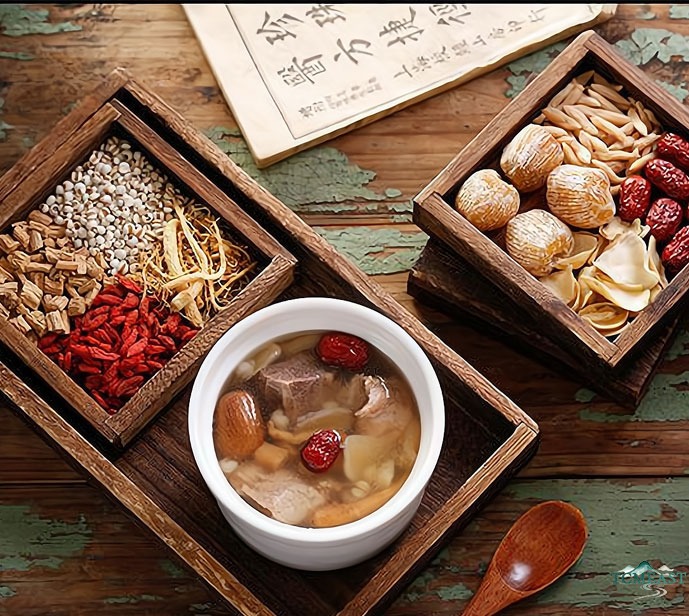
TCM Tonification Theory: Balancing Yin-Yang, Harmonizing Qi-Blood & Nourishing the Five Organs
All TCM tonification methods, from diet to acupuncture, aim to balance yin and yang, harmonize qi and blood, and nourish the five zang organs. Learn the core principles of yin-yang interdependence, qi dynamics, and spleen-kidney foundation.
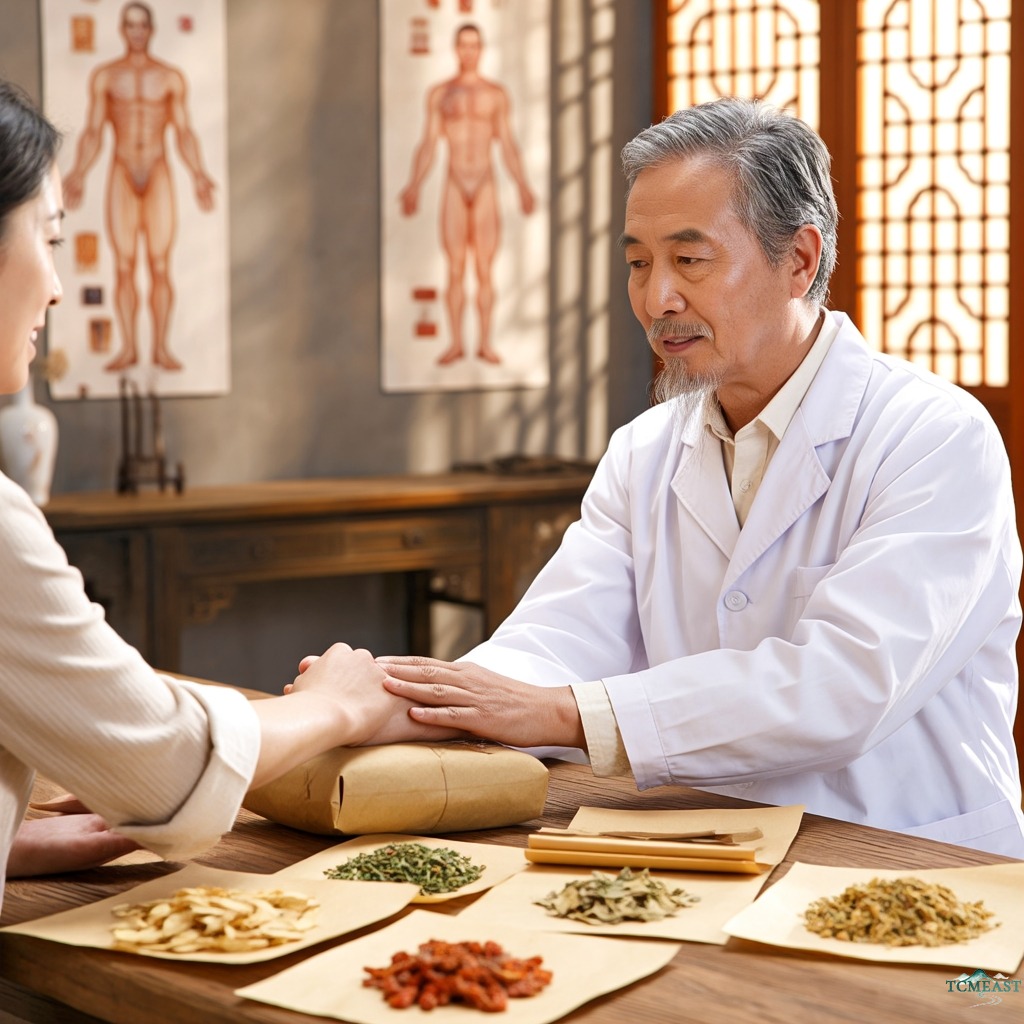
TCM Health Views Guiding Health Preservation
The TCM health view, originating from the Huangdi Neijing, establishes four core concepts: “unity of man and nature” (adapting to seasonal rhythms), “unity of body and spirit” (integrating physical and mental health), “yin and yang in equilibrium” (maintaining homeostatic balance), and “zheng qi as foundation” (strengthening disease resistance and recovery). Together, these form the complete theoretical framework through which Chinese medicine understands health and guides health preservation, remaining highly relevant to daily wellness and disease prevention today.
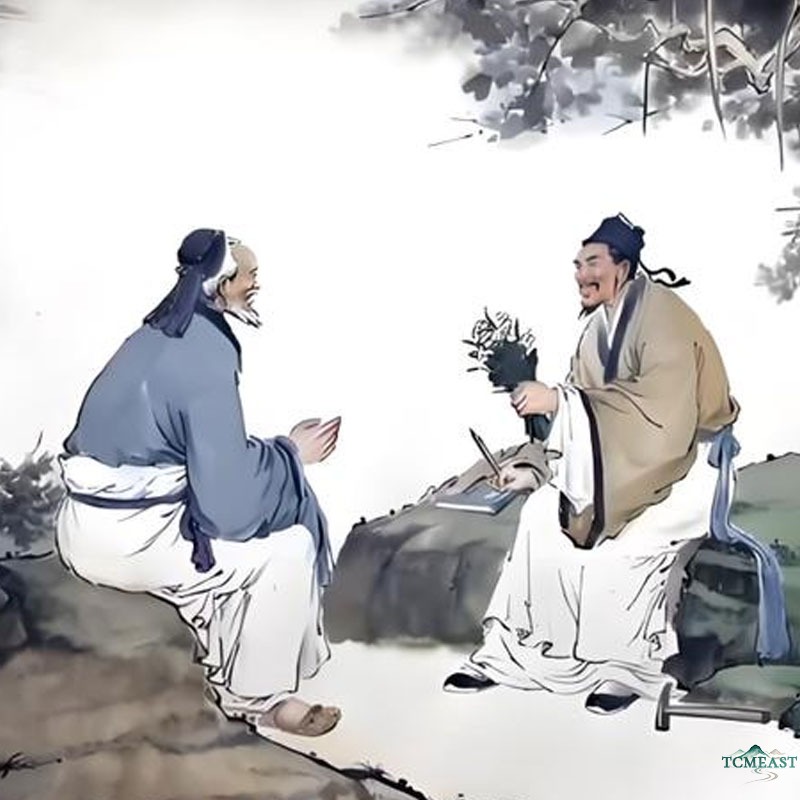
Ancient Chinese Wellness Methods
This article systematically summarizes ancient Chinese health preservation methods, covering ten major aspects: calming the spirit (keeping the spirit clear and balanced), exercise (moderate activities like Five Animal Frolics), diet (grains as staple, five flavors balanced), herbal tonification (differentiated treatment according to seasons and constitution), meridians (stimulating Hegu, Neiguan, Zusanli points), essence preservation (moderating desires to preserve vital essence), seasonal harmony (adapting to climate changes), moral cultivation (doing good deeds to cultivate character), qi regulation (nourishing primordial qi through daily habits), and detoxification (eliminating accumulated toxins in the body). Each method is supported by TCM theory and practical guidance.

15 Daily Wellness Habits for Middle-Aged and Elderly People
This article systematically presents the “15 Daily Wellness Habits” for middle-aged and elderly people, covering head-to-toe self-care: comb hair (refresh the brain and activate blood), rub face (boost energy), roll eyes (protect vision), massage ears (tonify kidneys and improve hearing), tap teeth (promote saliva and strengthen teeth), exercise regularly (prevent muscle atrophy), take various baths, wash feet nightly (calm mind and aid sleep), cultivate qi (smooth energy flow), nourish essence (strengthen kidneys and delay aging), balance nutrition (plant-based with some animal foods), maintain hygiene (prevent disease), laugh often (regulate emotions), nurture the spirit (focus and joy), and stay cheerful (avoid anxiety). Each habit includes specific methods and TCM principles.
Xi Yuan Ji Lu (Collected Cases of Injustice Rectified) — The World’s Earliest Monograph on Forensic Medicine
Xi Yuan Ji Lu (Collected Cases of Injustice Rectified), written by Song Ci in 1247, is the world’s first systematic monograph on forensic medicine, predating the Italian Fortunato Fedele’s forensic work by 355 years. Comprising four volumes, it covers physiology, pharmacology, diagnosis, treatment, prevention, first aid, and examination, and records early scientific methods such as livor mortis, rescue from hanging, and arsenic detoxification, exerting a profound influence on later generations.
The Song Dynasty “Official Pharmacy Bureau” — The World’s Earliest State Pharmacy Bureau
The Song Dynasty Official Pharmacy Bureau, founded in 1076 in Bianliang (present-day Kaifeng), was the world's earliest state-run pharmacy bureau. Initially called Shu Yao Suo, it was later renamed Yi Yao Hui Min Ju and Yi Yao He Ji Ju. Operated by the government, it specialized in selling ready-made Chinese patent medicines such as pills, powders, extracts, and pellets, and established systems for medicinal procurement and inspection, supervision of patent medicines, and nighttime sales. It created famous medicines such as Suhexiang Wan, Zixue Dan, and Zhibao Dan, exerting a profound influence on the development of Chinese patent medicines.
The Tang “Imperial Medical Office” (Taiyi Shu) — The World’s Earliest Medical School
The Tang Imperial Medical Office, founded in 624 CE, was the world's earliest state-run medical specialty school. It consisted of four parts—administration, teaching, medical treatment, and pharmaceutical work—and offered four major specialties: medicine, acupuncture, massage, and incantation and prohibition. It implemented a strict system of monthly, quarterly, and annual examinations with a nine-year expulsion rule, and maintained a herbal garden for pharmaceutical training. Its system influenced Korea and Japan and predated the Western Salerno Medical School by more than five hundred years.
Ao Shi Shang Han Jin Jing Lu — The World’s Earliest Monograph on Tongue Diagnosis
Ao Shi Shang Han Jin Jing Lu (Ao's Golden Mirror Record of Cold Damage) is the earliest extant monograph on tongue diagnosis in China and the world's first dedicated work on tongue diagnosis. Written by a physician surnamed Ao in the Yuan Dynasty, it was expanded by Du Qingbi to include 36 tongue images and later incorporated by Xue Ji into Xue's Medical Records, allowing it to circulate widely. The book uses tongue color and tongue coating to differentiate cold and heat, deficiency and excess, and provides tongue image illustrations and corresponding formulas. It has exerted a profound influence on later TCM tongue diagnosis and modern Western medical tongue research.
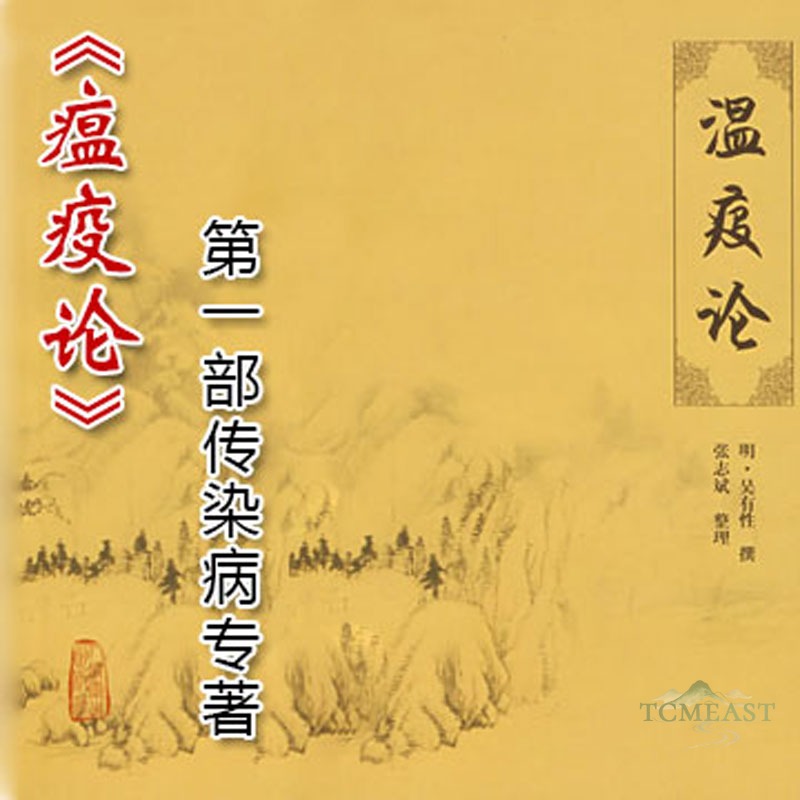
Treatise on Warm Epidemics (Wen Yi Lun) — The First Monograph on Infectious Diseases
The Treatise on Warm Epidemics (Wen Yi Lun), written by Wu Youxing in 1642, is China's first monograph on infectious diseases. It first proposed the theory of "li qi" (virulent qi) as the cause of epidemics, breaking through the traditional six-qi doctrine. It clarified airborne and contact transmission routes, the specificity of epidemic pathogens, and the importance of the body's righteous qi in resisting disease, and created treatments such as Dayuan Yin. The book laid the foundation for the development of the warm disease doctrine and has had a profound influence on the prevention and treatment of infectious diseases in Chinese medicine.
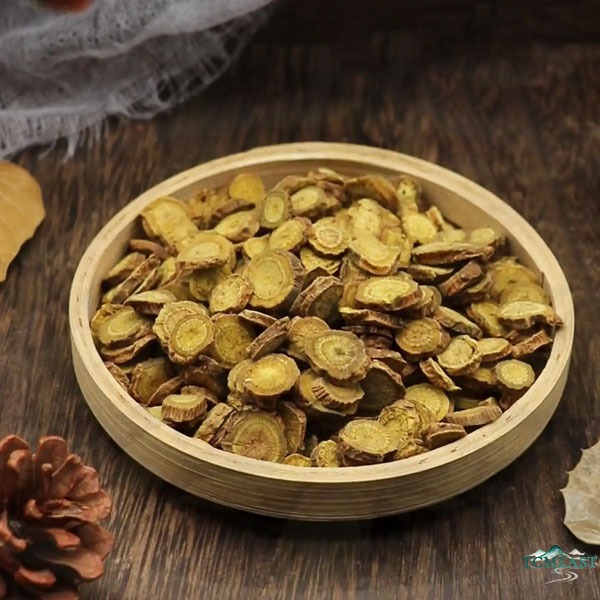
Baical Skullcap (Huang Qin) — The Heat-Clearing Herb with the Deepest Research
Huang Qin (Scutellaria) is a core TCM herb for clearing lung heat and drying intestinal dampness. Explore its classical uses in Xiao Chai Hu Tang, modern research on its anti-inflammatory and antiviral effects, and important safety guidelines.
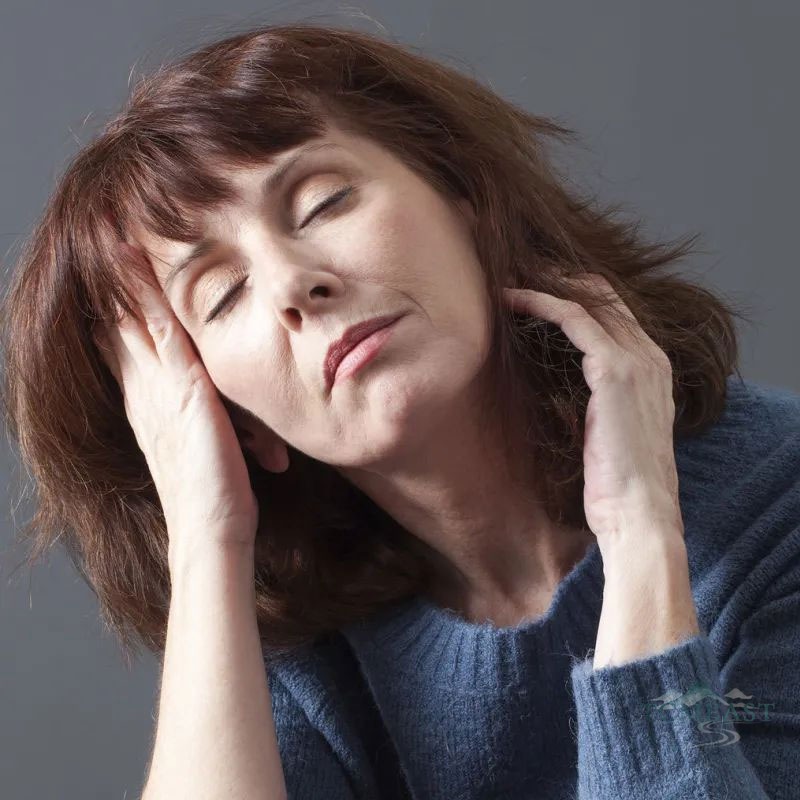
TCM for Menopause: Cooling Heat and Nourishing Yin
A TCM perspective on menopause as a natural transition, with herbs and acupressure for hot flashes, night sweats, mood swings, and sleep changes, plus diet and lifestyle support.
Acupuncture and TCM for Fertility: A Practical Guide
How TCM approaches fertility: the Kidney and Uterus connection, common patterns that delay conception, what acupuncture can and cannot do, and how to prepare the body for pregnancy.

Autumn Allergies from a TCM View: Wind, Dampness and Immune Balance
Why autumn allergies flare, how TCM reads them as wind and immune imbalance, and the herbs, foods, and habits that calm a sensitive nose and eyes without weakening the body.
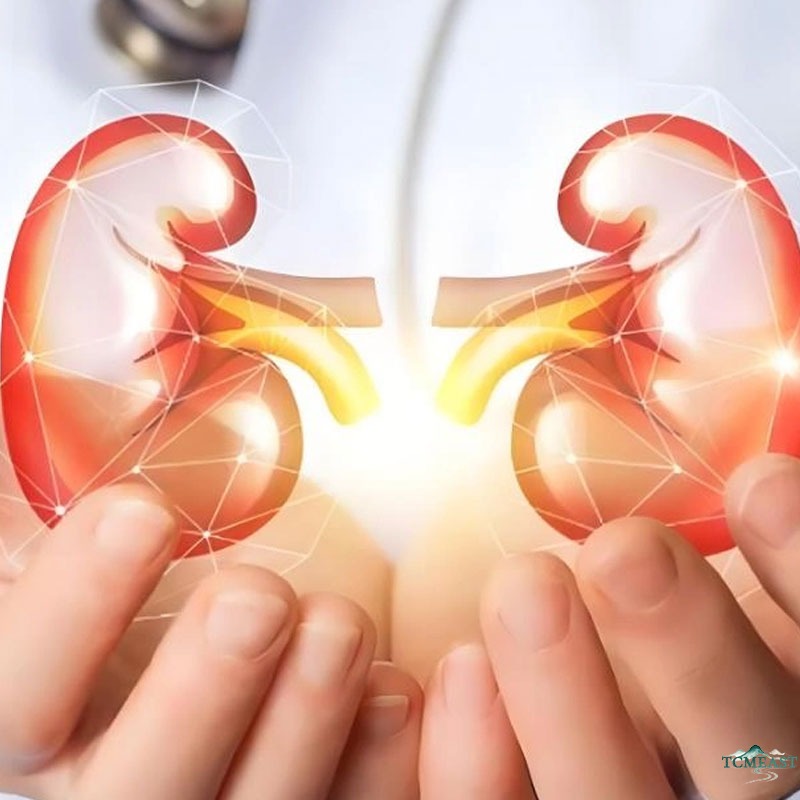
Kidney Health in TCM: Understanding Kidney Essence and Kidney Qi
The Kidney in TCM is far more than an organ — it stores your deepest constitutional energy. Learn the difference between Kidney yin, yang, and qi, the signs of Kidney deficiency, and how to support this vital system.
TCM for Hormonal Balance: Herbs and Acupressure for Women
Learn how Traditional Chinese Medicine approaches hormonal balance in women — from regulating the menstrual cycle to calming hormonal acne and PMS. Key herbs, acupressure points, and dietary wisdom included.

TCM for Poor Circulation and Cold Extremities
Cold hands and feet are a common sign of yang deficiency or blood stagnation in TCM. Learn warming herbs that improve circulation, acupressure points that warm the extremities, and dietary changes that build internal warmth.
Acupuncture Safety, Contraindications and What to Expect
A clear educational guide to acupuncture safety, common precautions, what to expect during a session, and when to consult a qualified healthcare professional.
TCM for Migraines: Acupressure Points and Herbal Support
A TCM guide to migraines that looks beyond the pain: the Liver yang pattern, the acupressure points that calm an attack, and the herbs and lifestyle changes that reduce frequency.
TCM for Insomnia: Calming Herbs, Points and Evening Rituals
A TCM approach to insomnia that looks at why you cannot sleep, not just how to force sleep. Explore calming herbs, acupressure points, and an evening routine that quiets the mind.
Acupuncture for Back Pain: Points, Herbs and Daily Self-Care
A TCM guide to back pain, from the patterns that cause it to the acupuncture points, herbs, and daily habits that actually help. Learn how to work with a practitioner and what you can do at home.
TCM for PCOS: Herbs, Acupressure and Dietary Support
A TCM approach to PCOS — understanding it as Spleen deficiency with dampness, Liver qi stagnation, or Kidney deficiency — with targeted herbs, acupressure points, and dietary strategies for hormonal balance.
TCM for High Blood Pressure: Herbs, Acupressure and Dietary Support
A TCM perspective on high blood pressure — understanding it as liver yang rising or phlegm-heat, with targeted herbs, acupressure points, and dietary changes to support healthy blood pressure naturally.
