
Stir-Fries
Loach Stewed with Tofu
Loach Stewed with Tofu is a traditional home-style soup that combines exquisite flavor with nourishing benefits. Loach is known as the "ginseng of the water", with tender and delicious meat. Tofu is soft and melts in the mouth. Through slow simmering, the umami of loach and the richness of tofu blend perfectly, resulting in a milky white, aromatic broth. This dish has been widely spread in Chinese folk culture – the Song Dynasty poet Mei Yaochen recorded his experience of tasting loach in his work Jiang Linji Zhuan Qiu, realizing that "even the humblest ingredient can become a delicacy with the right seasoning". Total cooking time is about 1 hour (excluding the loach purging period). It is an ideal choice for summer nourishment, strengthening the spleen and removing dampness.
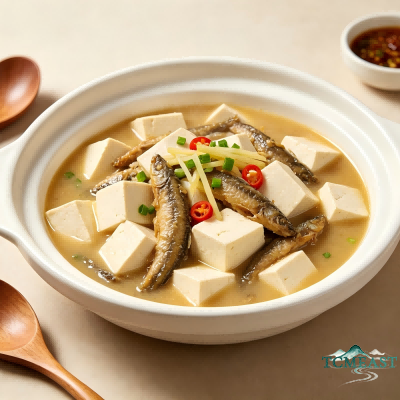
Main Ingredients
- Live loach 500g
- Tender tofu (or firm tofu) 1 block
- Fresh ginger 1 piece
- Garlic (sliced or crushed) 4 cloves
- Spring onions (chopped) 2 stalks
- Cooking wine 15ml
- Ground white pepper to taste
- Salt to taste
- Cooking oil as needed
- Coriander A little
Steps
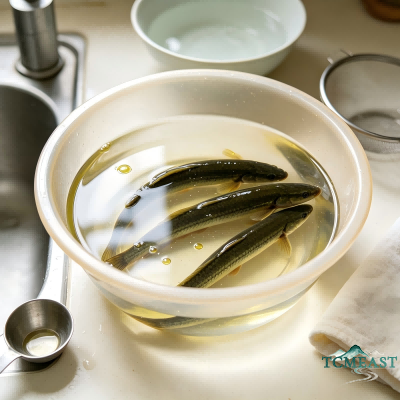
Keep live loaches in clean water for 2-3 days, changing the water 2-3 times daily. Add a few drops of cooking oil to the water to encourage the loaches to expel mud and sand from their stomachs.
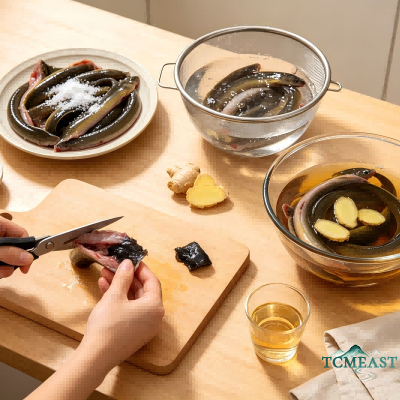
Remove the purged loaches and sprinkle with a little salt. Let sit for 10 minutes to remove surface mucus. Use scissors to cut open the belly, remove all internal organs, and especially scrape off the black membrane inside the belly – this is the primary source of fishy odor. Rinse thoroughly under running water and drain. Marinate with cooking wine and 2-3 slices of ginger for 15 minutes to further remove fishiness.
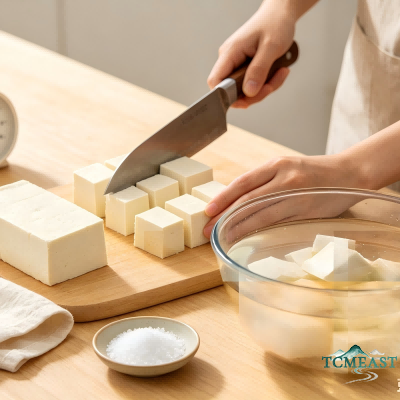
Cut the tofu into 2-3cm cubes. Soak in lightly salted water for 10-15 minutes – this removes the beany flavor and helps the tofu hold its shape during simmering.
Heat cooking oil in a wok or pot. Add ginger slices and garlic, and stir-fry until fragrant. Add the cleaned loaches and pan-fry until both sides turn golden. This step is essential for a rich, milky white broth.
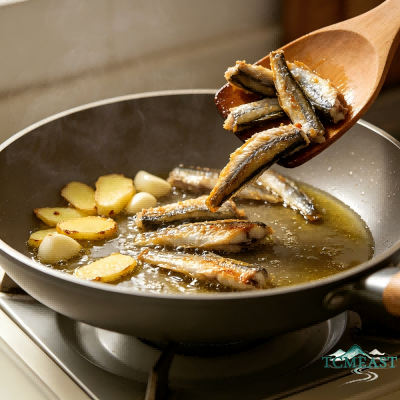
Heat cooking oil in a wok or pot. Add ginger slices and garlic, and stir-fry until fragrant. Add the cleaned loaches and pan-fry until both sides turn golden. This step is essential for a rich, milky white broth.
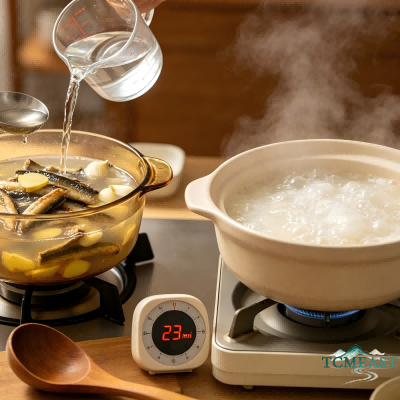
Add the tofu cubes to the pot and continue simmering for another 10 minutes.
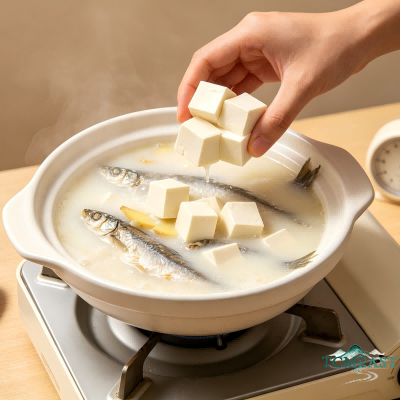
Add the tofu cubes to the pot and continue simmering for another 10 minutes.
TCM Notes
Loach: Sweet in taste, neutral in nature, acts on the Spleen, Liver, and Kidney meridians. Per 100g, loach meat contains approximately 17.9-22.6g of protein and 2.9-3.7g of fat – a high-protein, low-fat premium ingredient. Its calcium content is exceptionally high at approximately 299mg per 100g, nearly 6 times that of carp and about 10 times that of ribbon fish. It is also rich in vitamin D, which aids calcium absorption, along with vitamin A, vitamin B₁, vitamin B₂, niacin, phosphorus, iron, and other nutrients. In TCM, loach is known to tonify the spleen and kidneys, promote diuresis, and detoxify. It is effective for spleen deficiency diarrhea, infantile night sweats, edema, difficult urination, and diabetes. Modern pharmacological studies have found that loach has health-strengthening, anti-inflammatory, liver-protecting, antioxidant, blood sugar-lowering, lipid-regulating, and immunomodulatory effects. Tofu: Cool in nature, sweet in taste, acts on the Spleen, Stomach, and Large Intestine meridians. Rich in plant protein and calcium. When paired with loach, they complement each other nutritionally. It is known to clear heat, detoxify, promote fluid production, moisten dryness, and regulate the intestines. Together, they achieve the effects of harmonizing the stomach and intestines, supplementing nutrition, and protecting blood vessels. This dish is especially suitable for those with spleen deficiency with dampness retention and internal damp-heat.
Suitable for:Those with spleen deficiency with dampness retention and internal damp-heat (symptoms: heavy body, yellow greasy tongue coating, poor appetite, fatigue, loose stools) Those with physical weakness or malnutrition Children with night sweats Elderly individuals and those with cardiovascular diseases Men needing to nourish the kidneys and promote sperm production Those with edema or difficult urination Those with viral hepatitis or jaundice Those with hemorrhoids Suitable for the general population in moderation
Not suitable for:Those with Yin deficiency and excessive fire – should avoid Those with hyperuricemia and gout – loach stew with tofu contains high purine levels, which may elevate uric acid Those with kidney disease – plant protein in tofu may burden the kidneys Those with Spleen-Stomach deficiency cold (e.g., loose stools, stomach pain after cold food or drinks) – consume with caution Those with liver cirrhosis – should avoid Those allergic to loach or soy products Pregnant women – consume sparingly; tofu is cool in nature and excessive consumption may cause diarrhea Infants – consume in small amounts; digestive systems are not fully developed
