
Stews
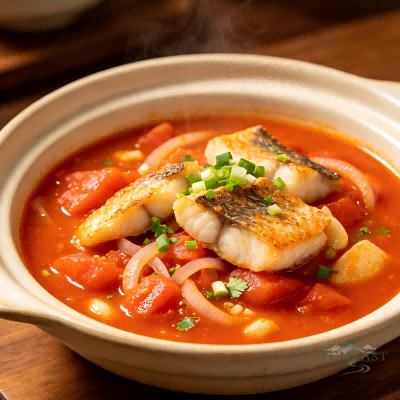
Tomato Codfish Stew
Tomato Codfish Stew is a homestyle dish that perfectly blends the delicate flavor of deep-sea cod with the sweet and sour taste of tomatoes. Cod is a “high-protein, low-fat” foodwith tender, flaky, and nearly boneless flesh that is easy to digest. Tomatoes are rich in vitamin C and lycopene, offering powerful antioxidant benefits. The dish features a vibrant red broth with tender, juicy fish and a tangy, appetizing flavor that pairs perfectly with rice. Simple to prepare, it takes about 30-40 minutes from start to finish.
Main Ingredients
- Cod fillet 500g
- Tomatoes 2-3 pieces
- Onion half
- Garlic 2-3 cloves
- Fresh ginger 2-3 slices
- Spring onion 1 stalk
- Coriander (cilantro) a few sprigs
- Olive oil (or cooking oil) 20ml
- Tomato paste 1-2 tbsp
- Cooking wine 1 tbsp
- Light soy sauce 1 tbsp
- Salt 5g
- White sugar 10g
- Ground white pepper to taste
- Cornstarch as needed
- Water or stock approx. 200-300ml
Steps
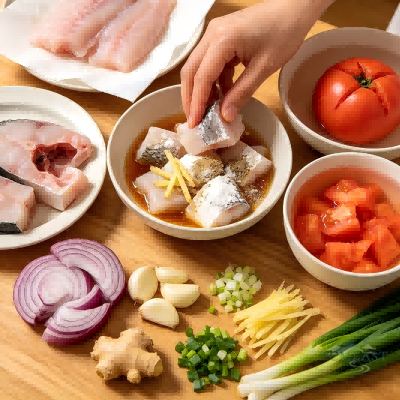
Cod: Thaw the cod if frozen, wash, and pat dry with paper towels. If using whole fish, remove the internal organs and the black membrane inside the belly, which is the main source of fishy odor. Cut into appropriately sized pieces. Marinate the cod: Add cooking wine, a pinch of salt, ground white pepper, and ginger strips to the cod pieces, mix well, and marinate for 15-30 minutes. After marinating, coat lightly with cornstarch to help the fish hold its shape during frying. Tomatoes: Wash, peel (score a cross on the top and blanch in boiling water for easy peeling), then cut into small pieces. Aromatics: Slice or chop the onion; slice or mince the garlic; julienne the ginger; chop the spring onion.
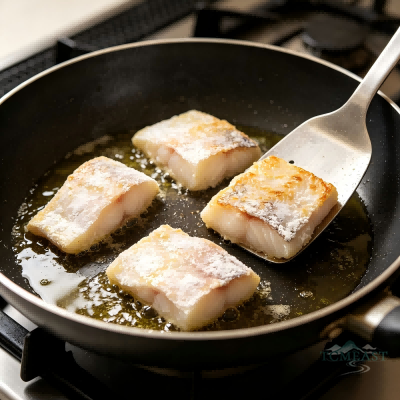
Heat a skillet or wok over medium heat with olive oil (or cooking oil). Add the marinated cod pieces and pan-fry over medium heat. Do not turn too early – wait until one side is lightly golden and set before flipping. Fry until both sides are golden, then remove and set aside.
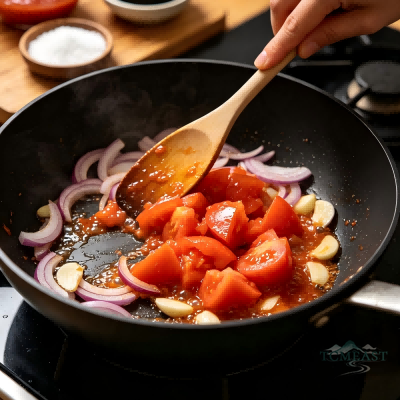
Leave some oil in the pan, add the onion and garlic, and sauté over low heat until the onion is translucent and fragrant. Add the tomato pieces, stir-fry over medium-high heat, and press down with a spatula to help them soften and release juice quickly. Once the tomatoes form a sauce, add tomato paste (optional), light soy sauce (optional), and sugar, and stir well.
Add water or stock (about 200-300ml) to the pan and bring to a boil. Gently place the pan-fried cod pieces into the broth, ensuring the liquid covers most of the fish. Reduce to medium or low heat, cover, and simmer for 8-10 minutes. The fish is done when it flakes easily with a fork.
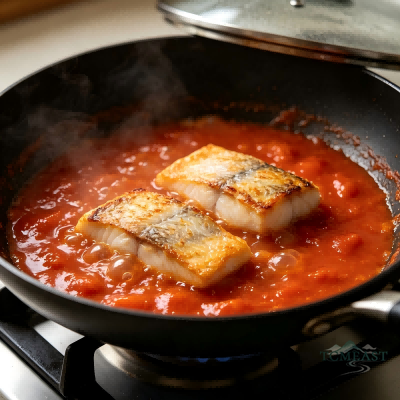
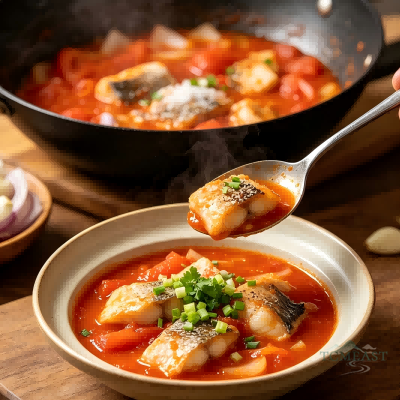
Season with salt and ground white pepper before serving. Turn off the heat and garnish with chopped spring onion or coriander. Serve hot.
TCM Notes
Cod: Cod is a typical high-protein, low-fat food, containing about 20g of protein per 100g. It is rich in DHA, which is essential for brain, nervous system, and retinal development. Cod also contains globulin, albumin, and various amino acids. Its tender, nearly boneless flesh makes it especially suitable for children and the elderly. Tomatoes: Tomatoes are rich in vitamin C, lycopene, and beta-carotene. Lycopene is a powerful antioxidant that helps neutralize free radicals, protect the skin, and reduce wrinkles. The organic acids in tomatoes also help promote digestion and stimulate appetite. Tomato paste: As a seasoning, tomato paste enhances the color and sweet-sour flavor of the broth, while also increasing the lycopene content.
Suitable for:General population, especially children and the elderly (tender, low-bone flesh, easy to digest) Students and mental workers needing high-quality protein and DHA Those on a weight-loss diet (high-protein, low-fat) Those with poor appetite or indigestion (tangy and appetizing) Those focused on antioxidant and beauty benefits Pregnant and breastfeeding women (for DHA and high-quality protein)
Not suitable for:Those allergic to fish or seafood – should avoid Those with gout or hyperuricemia – control fish intake Those with hyperacidity or gastroesophageal reflux – tomatoes may irritate the stomach Those with poor digestive function – protein is difficult to digest; avoid overconsumption Those allergic to tomatoes – may cause skin itching, redness, or swelling
