Formulas & Needles
Why Can Acupuncture and Moxibustion Treat Disease?
Acupuncture and moxibustion regulate the zang-fu organs and qi-blood through acupoints and meridians. Their therapeutic effects encompass four major aspects: (1) regulating the body's imbalances to restore physiological equilibrium; (2) enhancing immune function by increasing both specific and non-specific antibodies; (3) promoting blood circulation, removing stasis, and relieving pain; and (4) repairing damaged tissues, as evidenced in treating facial nerve paralysis and brachial plexus palsy. Needling excels at unblocking, while moxibustion warms and disperses — both adhere to the principle of “tonify deficiency, drain excess.”
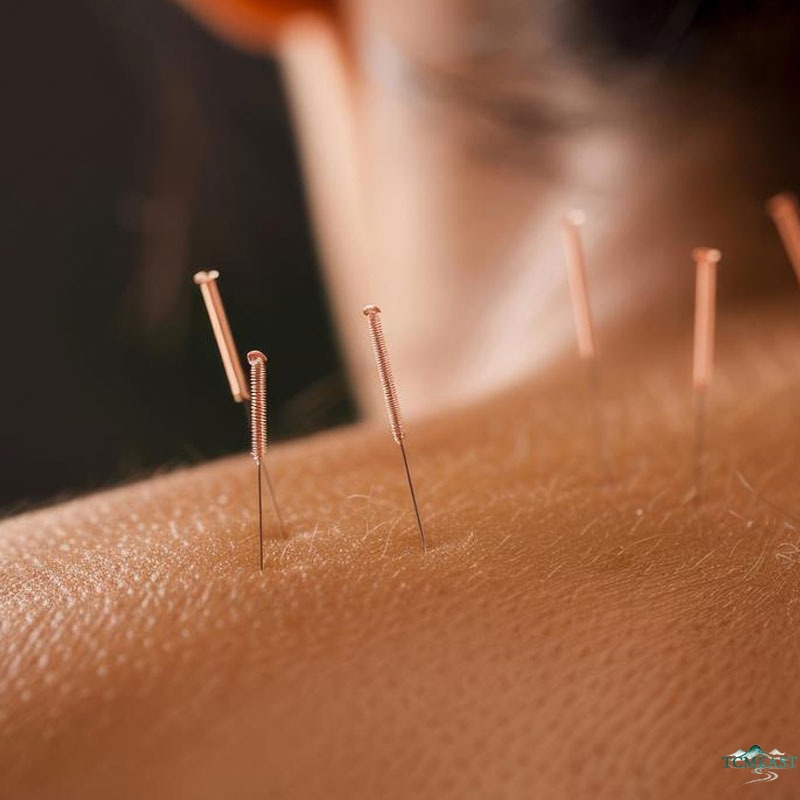
Acupuncture and moxibustion are two different methods of treating disease. Needling therapy uses needles made of metal, inserted into specific acupoints on the human body, employing appropriate manipulation techniques to unblock the meridians, activate the collaterals, and harmonize qi and blood. Moxibustion therapy generally refers to the use of ignited moxa cones or moxa sticks to apply smoke and heat to the skin at acupoints, thereby achieving the objectives of warming and promoting the flow of qi and blood, dispersing cold, and relieving pain. Both methods regulate the zang-fu organs, qi, and blood of the human body through acupoints and meridians to achieve the goals of preventing and treating disease. Their therapeutic principles are the same as those for internally administered medicinals — deficiency patterns are treated with tonification, and excess patterns are treated with drainage. The therapeutic effects of acupuncture and moxibustion include the following:
(1) Regulatory Effect. Acupuncture and moxibustion treat disease by regulating the body's states of "relative excess and relative deficiency" according to the nature of the disease pattern, restoring the body to its normal state of physiological equilibrium. For example, needling can normalize intestinal motor function: in those with decreased intestinal motor function, it promotes increased motility; in those with hyperactive motor function, it promotes relief.
(2) Immune-Enhancing Effect. Both needling therapy and moxibustion have the effect of supporting zheng qi. Needling therapy and bloodletting have the effect of expelling pathogenic factors. The influence of acupuncture and moxibustion on enhancing immunity is multifaceted — it can enhance the functional activity of the reticuloendothelial system and has a marked effect on increasing various specific and non-specific antibodies in the body. Clinically, this is applied in anti-infection, anti-allergy, and anti-cancer treatments.
(3) Blood-Activating and Pain-Relieving Effect. Acupuncture and moxibustion treat disease by performing needling and moxibustion on selected acupoints, thereby "unblocking the meridians and regulating qi and blood." In this way, they can activate blood circulation, resolve stasis, generate new tissue, and relieve pain.
(4) Tissue-Repairing Effect. That acupuncture and moxibustion possess a tissue-repairing effect has been substantiated by extensive clinical evidence. For example: needling acupoints on the face to treat facial nerve paralysis; needling acupoints in the neck and arm region to treat brachial plexus palsy; and needling acupoints on the upper limbs to treat median nerve palsy — all achieve relatively favorable therapeutic results.