

Summer
Greater Heat
Jul 23–Aug 6
Major Heat (Dashu) is the twelfth solar term of the twenty‑four solar terms and the final solar term of summer. The sun reaches the celestial longitude of 120°, and it marks the extreme of scorching heat in the year. This article explains in detail its three pentads (decayed grass turns into fireflies, the earth grows moist and humid‑hot, heavy rains occur frequently), the climatic characteristics of high temperatures and thunderstorms, the key farming management points in both the north and the south (irrigation to prevent drought, draining waterlogging and preventing diseases), as well as folk customs such as sending off the Major Heat boat, sun‑drying ginger, eating mutton in the summer heat, and eating herbal jelly (Xiancao). It emphasizes that health preservation during this period focuses on "preventing heatstroke" and "dispelling dampness".
Greater Heat (Dashu) is the twelfth of the twenty-four solar terms and the final solar term of summer — the hottest solar term of the year. Greater Heat arrives annually between July 22 and 24, when the sun reaches the ecliptic longitude of 120°.
The three pentads of Greater Heat are: “In the first pentad, decayed grass transforms into fireflies; in the second pentad, the earth is moist and the heat is sultry; in the third pentad, heavy rains fall in their time.” The Yi Zhou Shu (Lost Book of Zhou) states: “The earth is moist and the heat is sultry (rushu, referring to damp and oppressive heat). After another five days, heavy rains fall in their time.” It also says: “If the heavy rains do not fall in their time, the country shall receive no benevolent bounty.” The Yueling Qishier Hou Jijie (Collected Explanations of the Seventy-Two Pentads of the Monthly Ordinances) records: “‘Shu’ means heat. Within heat, a distinction is made between lesser and greater: at the beginning of the month it is lesser, in the middle of the month it is greater; at this point the heat qi is now at its greatest.” The Tongwei·Xiaojing Yuanshen Qi says: “Fifteen days after Lesser Heat, when the Dipper points to wei, it is Greater Heat, in the middle of the sixth month. Lesser and greater refer to the extremes of heat — that after the beginning is lesser, and that after the full moon is greater.”
Greater Heat is the solar term with the most intense sunshine, the highest temperatures, and rampant thunderstorm weather. During this period of scorching heat and frequent thunder and lightning, rainfall is abundant, making it a season when all things grow with wild vigor. In agricultural production, field management must be strengthened, with a focus on drought resistance to protect harvests, flood prevention and drainage, typhoon preparedness, and pest and disease control. In livestock production, measures should be taken to prevent heatstroke, control epidemics, and disinfect the environment. In North and Northeast China, cotton enters its peak water-demand period during boll formation; timely irrigation is essential to ensure soil moisture. Soybeans, at the critical water-demand stage of flowering and pod-setting, should be irrigated promptly if drought symptoms appear, with appropriate intertillage and fertilization. In East and South China, late rice should be transplanted and fertilized at the proper time, and in double-cropping rice areas, early rice should be harvested in good time.
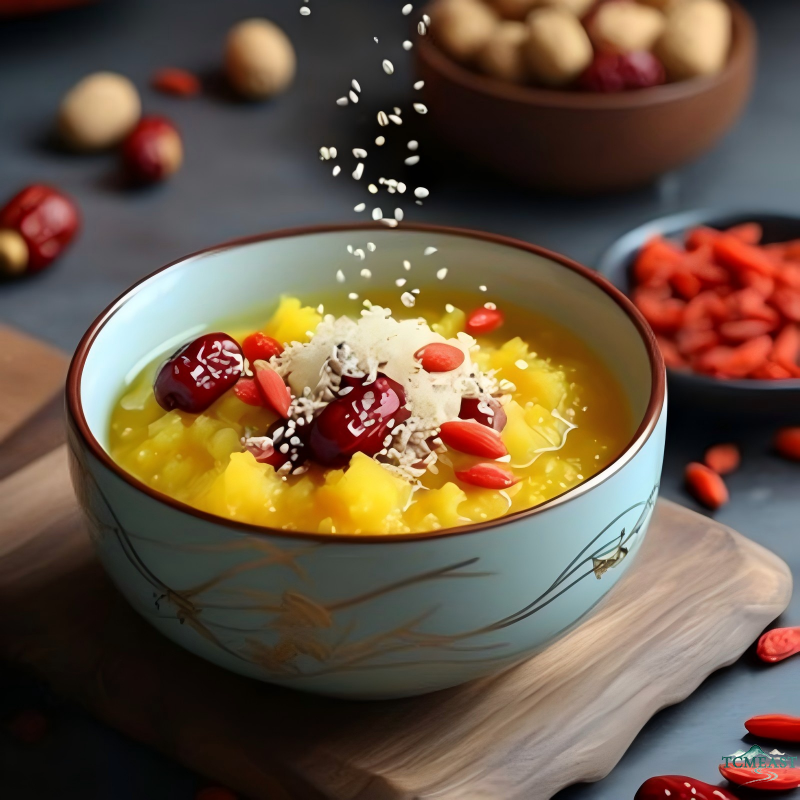
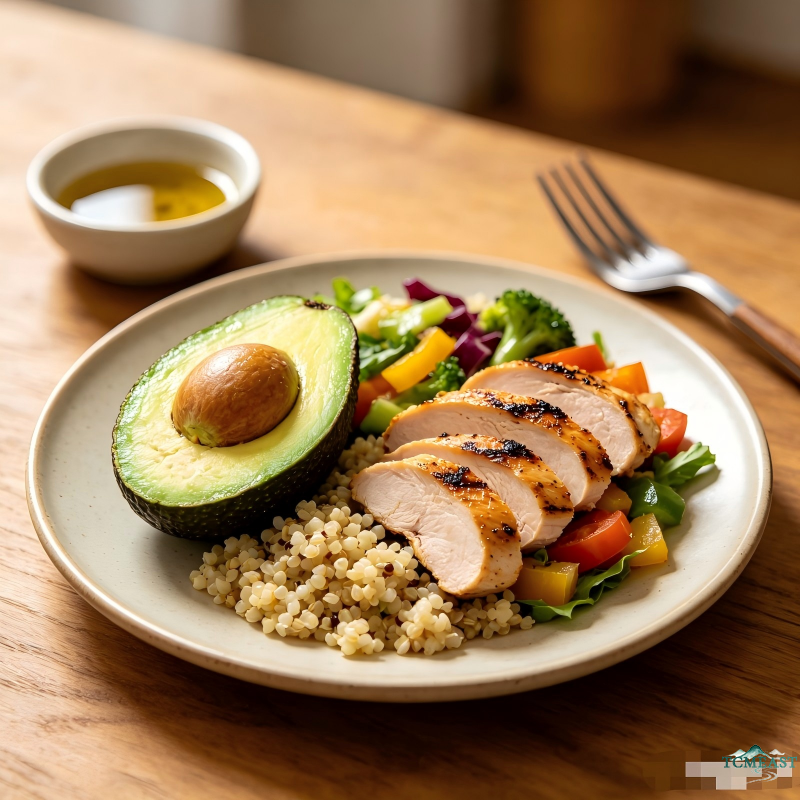
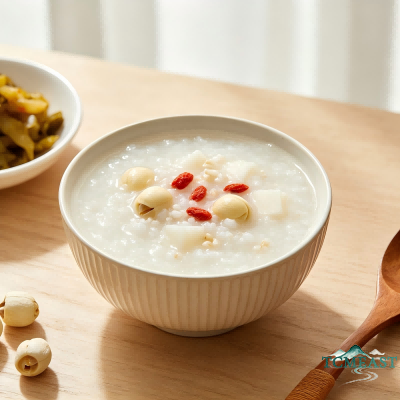
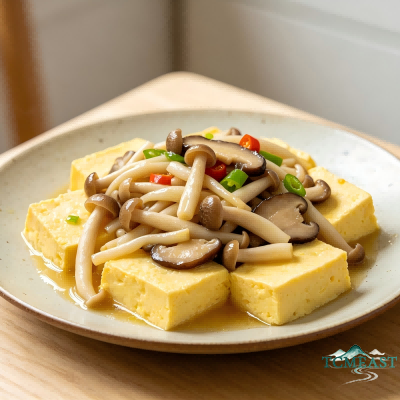
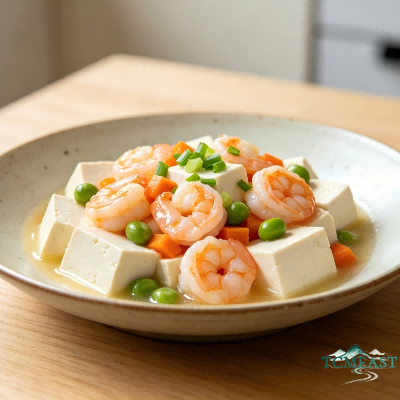
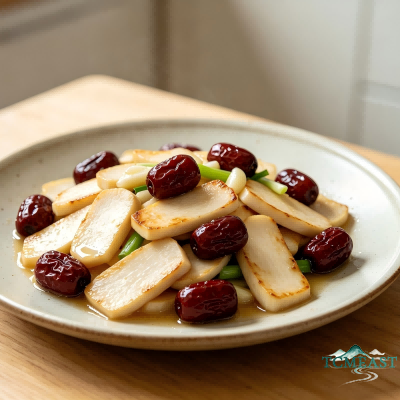
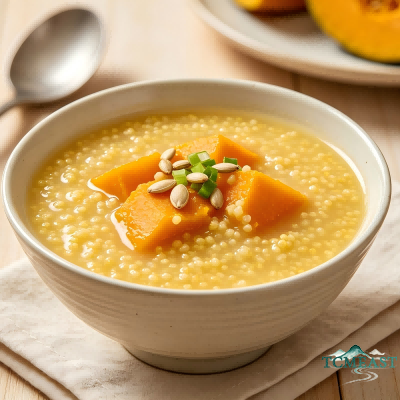
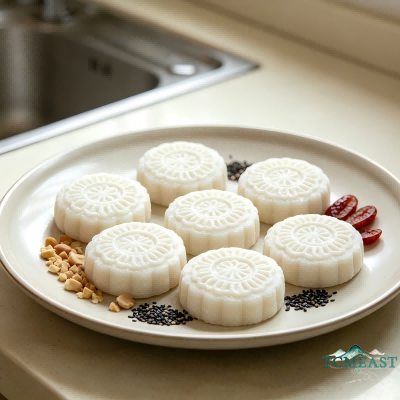
Various cultural customs are observed across different regions during Greater Heat, such as sending off the Greater Heat boat, drying fu ginger, burning fu incense, cricket fighting, and lotus viewing from a boat. Some areas also have their own distinctive foods: for instance, drinking lamb soup to dispel summer heat in Shandong, and eating fermented rice mash and immortal grass jelly in many southern regions. Greater Heat is the period of the year when the weather is at its hottest and dampness is heaviest; the key points of health preservation during this season are therefore “preventing heatstroke” and “dispelling dampness.”
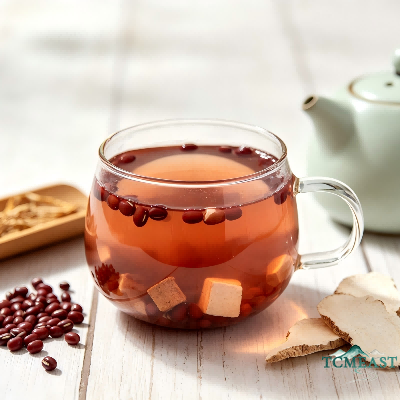
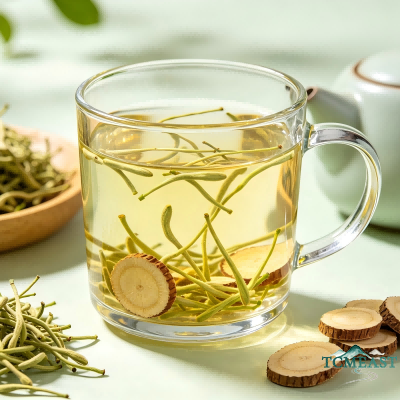
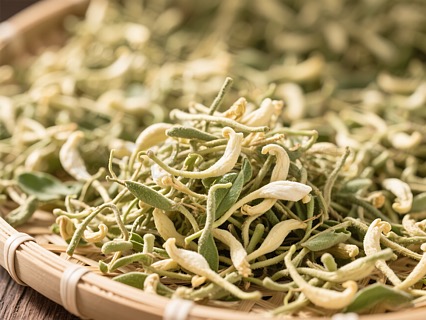
Lonicerae Japonicae Flos
IntroductionJinyinhua (Lonicerae Japonicae Flos) is a commonly used Chinese medicinal herb classified under heat-clearing and toxin-removing medicinals. It consists of the…
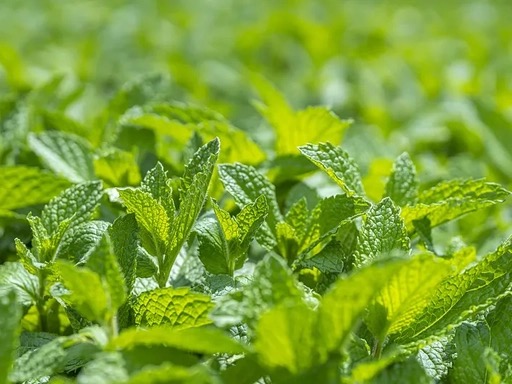
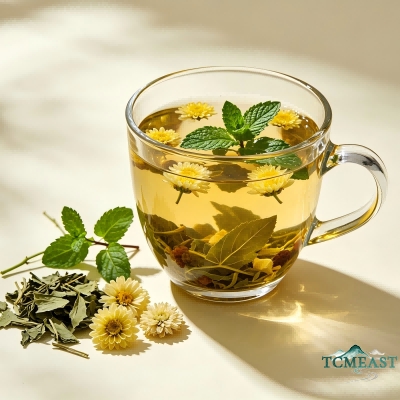
Menthae Herba
IntroductionBoheye (Peppermint Leaf), a Chinese medicinal, is the leaf of Mentha haplocalyx Briq. or cultivated mint (family Lamiaceae).
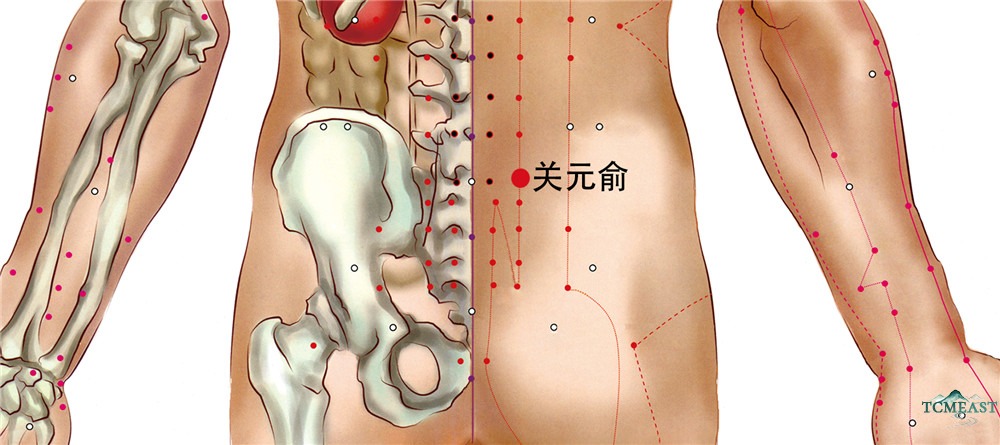
Guanyuanshu Point (BL-26 / Guanyuan Shu, Back Transporting Point of Guanyuan)
Discover the exact location and acupressure method for Guanyuanshu (BL-26 / Back Transporting Point of Guanyuan). Learn its benefits for abdominal distension, diarrhea, constipation, urinary disorders, lumbar pain, and diabetes – plus classic combinations for comprehensive treatment.
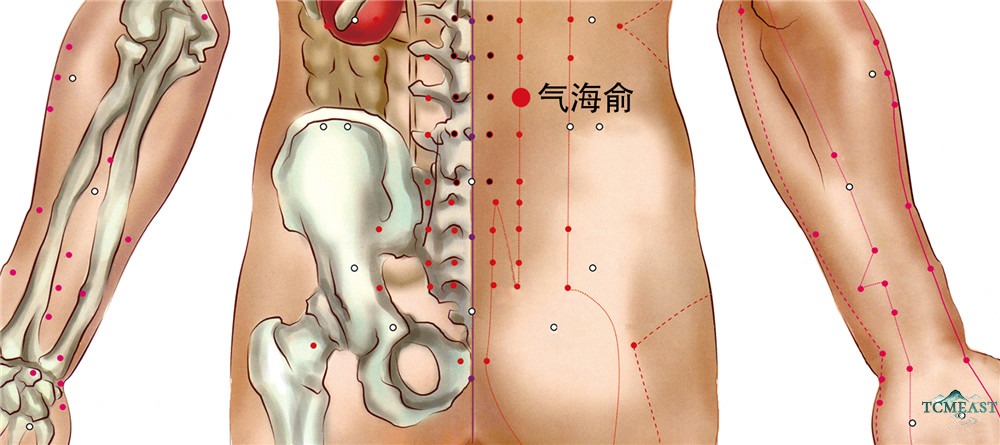
Qihaishu Point (BL-24 / Qi Sea Shu, Back Transporting Point of Qihai)
Discover the exact location and acupressure method for Qihaishu (BL-24 / Qi Sea Shu). Learn its benefits for dysmenorrhea, hemorrhoids, lumbar pain, and reproductive disorders – the Back Transporting Point of Primordial Qi – plus classic combinations for comprehensive treatment.
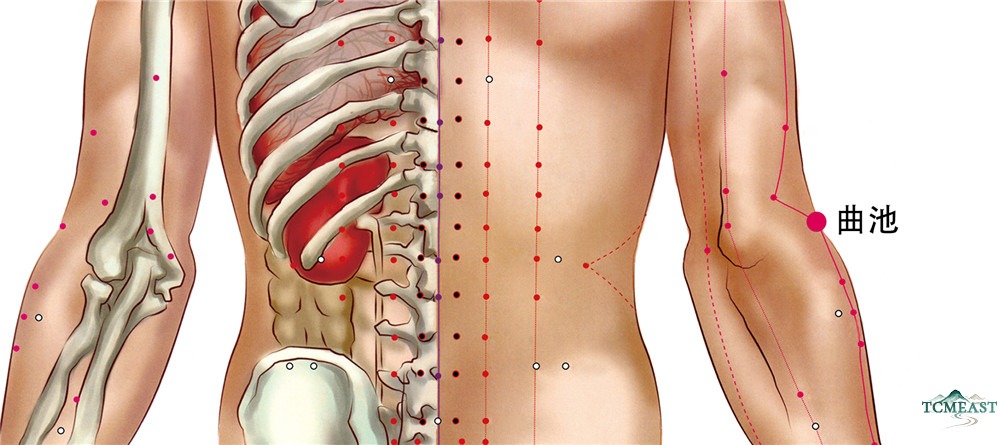
Quchi Point (LI-11 / Pool at the Crook)
Discover the exact location and acupressure method for Quchi (LI-11). Learn its extensive benefits for fever, skin disorders, hypertension, head and facial diseases, and gastrointestinal conditions, plus classic combinations and hypotension precautions.
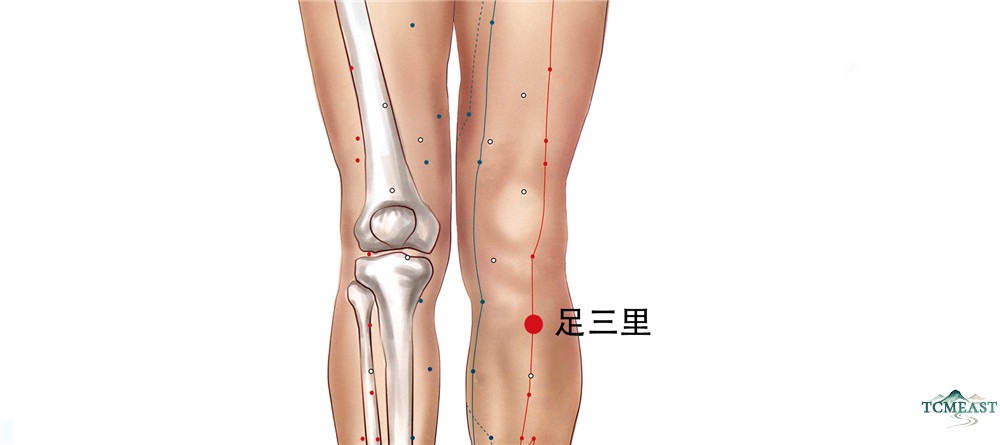
Zusanli Point (ST-36 / Leg Three Li, also known as Xialing and Guixie)
Discover the exact location and acupressure method for Zusanli (ST-36 / Leg Three Li). Learn its benefits for gastrointestinal disorders, lower limb conditions, and health preservation – the primary point for abdominal disorders and the most important point for strengthening the body.