Formulas & Needles
Chinese Medicine for Pain Management: Acupuncture Points, Herbs & Natural Relief
Learn how Traditional Chinese Medicine treats chronic pain — back pain, knee pain, and headaches — through acupuncture points, herbal formulas for inflammation, and self-care techniques you can practice at home.
The TCM View: Pain as Qi and Blood Stagnation
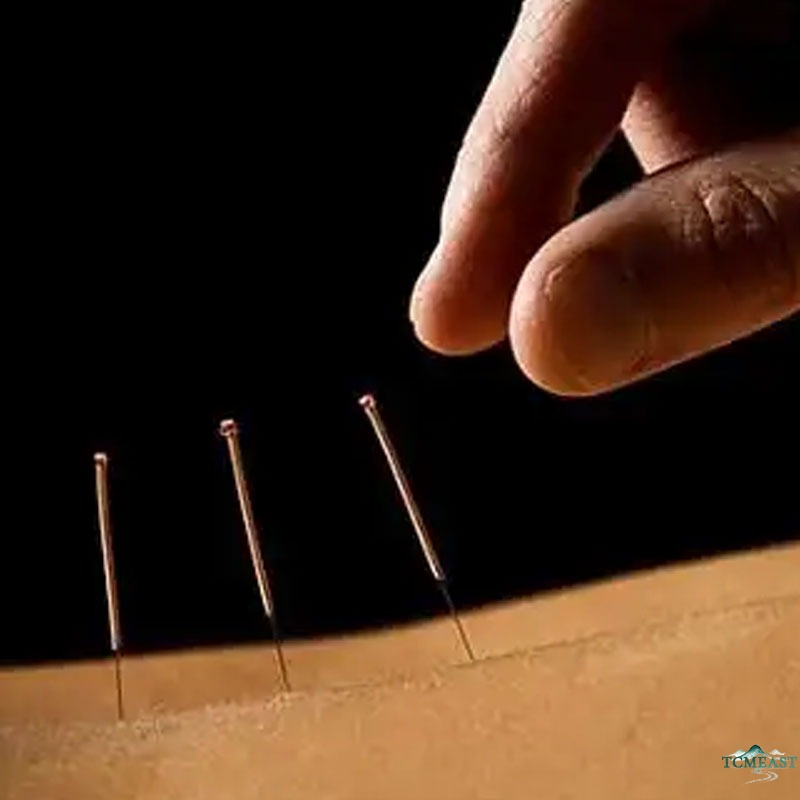
In Traditional Chinese Medicine, pain is understood through a simple but powerful principle: where there is blockage, there is pain. When qi and blood flow freely through the meridians, the body experiences no pain. When the flow is obstructed — by cold, heat, dampness, trauma, or emotional stress — pain arises at the site of obstruction.
The character for pain in Chinese (痛, tong) depicts a person walking along a path that ends in a wall — a vivid metaphor for obstructed flow.
This understanding shapes how TCM treats pain. Rather than simply blocking the pain signal (as many Western pain medications do), TCM aims to remove the obstruction so that qi and blood can circulate freely again. This is why acupuncture and herbal medicine can produce lasting relief even for chronic pain that has persisted for years.
Common Pain Patterns in TCM
| Pattern | Pain Characteristic | Aggravating Factors |
|---|---|---|
| Qi stagnation | Distending, moving pain | Stress, emotional upset |
| Blood stasis | Fixed, sharp, stabbing pain | Pressure, nighttime |
| Cold | Contracting, cramping pain | Cold weather, cold applications |
| Dampness | Heavy, achy, swollen joints | Humidity, rainy weather |
| Heat | Burning, redness, throbbing | Heat, pressure |
| Deficiency | Dull, achy, worse with fatigue | Overwork, lack of rest |
Acupressure for Back Pain
Back pain is one of the most common reasons people seek acupuncture. The following points are effective for both acute and chronic back pain.
Shen Shu (BL23, Kidney Shu, 肾俞)
Location: 1.5 finger-widths lateral to the lower border of the 2nd lumbar vertebra (approximately at waist level).
Action: The most important point for lower back pain, especially when accompanied by a feeling of weakness or deficiency. Tonifies Kidney qi and strengthens the lower back.
Technique: Press with thumbs or massage balls against a wall for 1-2 minutes. A warm compress after pressing enhances the effect.
Wei Zhong (BL40, Supporting Middle, 委中)
Location: In the crease behind the knee, exactly in the center.
Action: This is the classic point for lower back pain — an ancient TCM saying states: "For low back pain, seek Wei Zhong" (腰背委中求). It releases tension in the entire back.
Technique: Press firmly while the knee is slightly bent. Can be sensitive — apply gradually.
Da Chang Shu (BL25, Large Intestine Shu, 大肠俞)
Location: 1.5 finger-widths lateral to the lower border of the 4th lumbar vertebra.
Action: Specific for lower back pain with stiffness. Also regulates the lower burner for associated constipation.
Technique: Press with thumbs or lie on a massage ball. Hold for 1-2 minutes.
Acupressure for Knee Pain
Xi Yan (Extra Points, Eye of the Knee, 膝眼)
Location: In the depressions on both sides of the patellar ligament, when the knee is bent.
Action: These points directly access the knee joint space. They relieve knee pain, stiffness, and swelling.
Technique: Press with index fingers or thumbs while the knee is slightly bent. Gentle, penetrating pressure for 1-2 minutes.
Yang Ling Quan (GB34, Yang Mound Spring, 阳陵泉)
Location: In the depression anterior and inferior to the head of the fibula (the small bone on the outside of the lower leg).
Action: Meeting point of the sinews. Used for all tendon and ligament issues, including knee pain, joint stiffness, and tendonitis.
Technique: Press firmly for 1-2 minutes on each leg.
Zu San Li (ST36, Leg Three Miles, 足三里)
Location: Four finger-widths below the kneecap, one finger-width outside the shinbone.
Action: While primarily a digestive point, ST36 is essential for knee pain related to deficiency — when the knee feels weak or collapses easily.
Acupressure for Headache Relief
Tai Yang (Extra Point, 太阳)
Location: In the depression about one finger-width behind the midpoint between the outer corner of the eye and the end of the eyebrow.
Action: The most commonly used point for headache. Effective for tension headaches, migraines, and frontal headaches.
Technique: Press with the middle fingers, rotating gently in a circular motion for 1-2 minutes. Can be quite tender during a headache.
He Gu (LI4, Joining Valley, 合谷)
Location: On the back of the hand, in the webbing between the thumb and index finger, at the highest point of the muscle.
Action: One of the most versatile points in the body. Used for headache, facial pain, and any pain in the head and face region.
Technique: Press firmly with the thumb of the opposite hand for 1 minute. A strong, aching sensation is normal.
Feng Chi (GB20, Wind Pool, 风池)
Location: In the depression below the base of the skull, between the two large neck muscles, approximately level with the earlobes.
Action: Essential for headaches involving the neck and base of the skull, particularly tension headaches and migraines. It also expels wind-cold from the head.
Technique: Press upward and inward with both thumbs simultaneously for 1-2 minutes. Best performed with eyes closed.
Herbs for Pain and Inflammation
Yan Hu Suo (Corydalis, 延胡索)
Pungent, bitter, and warm. Yan Hu Suo is the most important herb for pain in the Chinese materia medica. It strongly activates blood circulation and stops pain. Research shows its active compound (tetrahydropalmatine, THP) acts on dopamine receptors in the brain to produce analgesic effects.
Dose: 3-10g. For best results, use the vinegar-prepared form (醋延胡索) which enhances absorption.
Best for: Traumatic pain, menstrual pain, chest and abdominal pain.
Dang Gui (Angelica sinensis, 当归)
Sweet, pungent, and warm. Dang Gui tonifies and activates blood simultaneously — a unique dual action that makes it invaluable for pain due to both blood deficiency and blood stasis.
Dose: 6-15g.
Best for: Menstrual cramps, joint pain in the elderly, pain after injury.
Chuan Xiong (Ligusticum, 川芎)
Pungent and warm. Chuan Xiong is the ultimate qi-moving herb for the head and upper body. It is specifically indicated for headache, with historical texts noting: "Chuan Xiong must be used for headache regardless of the pattern."
Dose: 3-10g.
Best for: Headache, migraine, chest pain.
Gui Zhi (Cinnamon Twig, 桂枝)
Pungent and warm. Gui Zhi releases wind-cold from the exterior and warms the channels to relieve pain. Its warming action makes it invaluable for cold-pattern pain.
Dose: 3-10g.
Best for: Cold-type joint pain, shoulder and neck stiffness, arthritic pain.
Herbal Tea for Pain Relief
Gui Zhi & Ginger Warming Tea (For Cold-Type Pain)
Ingredients:
- 3 Gui Zhi (cinnamon twig) pieces
- 3 slices fresh ginger
- 2 red dates
- 400ml water
Method: Simmer for 15 minutes. Drink warm. For joint or muscle pain aggravated by cold.
Chuan Xiong & Yan Hu Suo Headache Tea
Ingredients:
- Chuan Xiong 6g
- Yan Hu Suo 6g
- Peppermint leaves (fresh or dried) 3g
- 400ml water
Method: Simmer Chuan Xiong and Yan Hu Suo for 15 minutes. Add peppermint in the last 2 minutes. Strain and sip slowly during headache.
Self-Care Tips for Chronic Pain Management
- Heat therapy for cold-type pain — A warm compress, hot pack, or moxa stick over painful areas dramatically improves cold and stagnant pain.
- Avoid cold exposure — For cold-pattern pain (worse in winter, better with warmth), keeping the painful area warm is essential — scarves for neck pain, knee warmers for knee pain.
- Gentle movement — Complete rest worsens qi stagnation. Gentle stretching, tai chi, or qigong maintains meridian flow. The key is movement that doesn't provoke the pain.
- Stress management — Liver qi stagnation is a major contributor to chronic pain. Practicing deep breathing or meditation daily reduces the emotional component of pain.
- Massage painful areas lightly — Even a few minutes of gentle massage around a painful area can help move stagnant qi and blood. Avoid pressing directly on the most painful point.