
Pattern Differentiation & Treatment
Identifying Cough Patterns: A Common Symptom Guide
A systematic guide to TCM cough pattern differentiation, covering external contraction cough (wind-cold, wind-heat, dryness evil) and internal damage cough (liver fire invading the lung, phlegm-damp invading the lung, lung qi deficiency, lung yin deficiency, lung abscess, lung atrophy). Each pattern is detailed with accompanying symptoms, tongue and pulse characteristics, and core pathogenesis, offering a practical reference for TCM diagnosis and differentiation of cough.
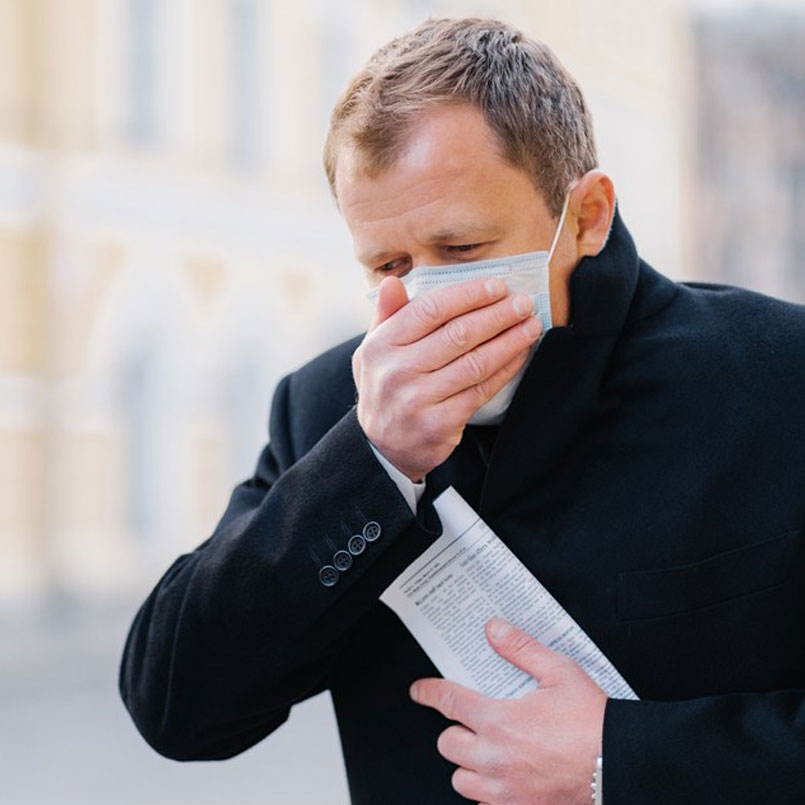
Cough is one of the common symptoms of respiratory system diseases. It is often caused by external pathogens invading the lung, or by dysfunction of the zang-fu organs in miscellaneous diseases affecting the lung, leading to impaired lung qi. Therefore, cough can be divided into two categories: external contraction and internal damage.
- Cough accompanied by aversion to cold, fever, headache, nasal congestion, runny nose, white and thin sputum, thin white tongue coating, and a floating pulse: this is external contraction wind-cold cough. It is caused by wind-cold pathogens invading the lung, leading to impaired diffusion and descent of lung qi.
- Cough accompanied by aversion to cold, fever, thirst, sore throat, sweating, yellow and sticky sputum that is difficult to expectorate, red tongue, yellow coating, and a floating, rapid pulse: this is external contraction wind-heat cough. It is caused by wind-heat pathogens attacking the lung, leading to impaired purification and descent of lung qi.
- Paroxysmal cough accompanied by chest and hypochondriac pain induced by coughing, scanty or sticky sputum, flushed face, dry throat, red tongue, thin yellow coating, and a wiry, rapid pulse: this is liver fire invading the lung cough. It is caused by liver fire attacking the lung, leading to impaired lung qi.
- Cough accompanied by copious white sputum, oppression and fullness in the chest and epigastrium, poor appetite, loose stools, mental fatigue, lack of strength, white slimy tongue coating, and a soft, slippery pulse: this is phlegm-damp invading the lung cough. It is caused by spleen deficiency generating dampness, which accumulates into phlegm and is stored in the lung, leading to impaired lung qi.
- Cough accompanied by copious clear and thin sputum, mental fatigue, lack of strength, pale complexion, sweating upon exertion, pale tongue, and a vacuous pulse: this is lung qi deficiency cough. It is caused by lung qi deficiency with failure of diffusion and descent.
- Cough accompanied by expectoration of purulent sputum with a foul odor, chest pain, fever, and in severe cases, shivering, restlessness, thirst, red tongue, thin yellow coating, and a slippery, rapid pulse: this is lung abscess cough. It is caused by heat toxin congestion in the lung, brewing phlegm into pus.
- Cough accompanied by expectoration of turbid, frothy saliva, emaciation, lack of strength, shortness of breath, red tongue, scant coating, and a vacuous, rapid pulse: this is lung atrophy cough. It is caused by lung yin insufficiency with failure to nourish the lung.
- Cough with no sputum, or scanty sputum, or blood-streaked sputum, or even hemoptysis, accompanied by afternoon low fever, night sweating, thirst, dry throat, red tongue with scant, glossy coating, and a thin, rapid pulse: this is lung yin deficiency cough. It is caused by lung yin deficiency with depletion of body fluids, where deficiency fire scorches the vessels and collaterals, leading to impaired lung qi.
- Paroxysmal cough with scant or no sputum, dry and itchy throat, dry mouth, dry nose, fever with mild aversion to wind and cold, chest pain when coughing is severe, dry thin yellow tongue coating, and a floating, rapid pulse, occurring in autumn: this is dryness evil invading the lung cough. It is caused by dry-heat pathogens attacking the lung, damaging body fluids, and leading to failure of diffusion and descent.
