
Pattern Differentiation & Treatment
TCM for Insomnia & Anxiety: Herbs, Acupressure & Soothing Recipes
A complete guide to understanding and treating insomnia and anxiety through Traditional Chinese Medicine. Learn the best herbs, acupressure points, and medicinal recipes for deep, restful sleep.
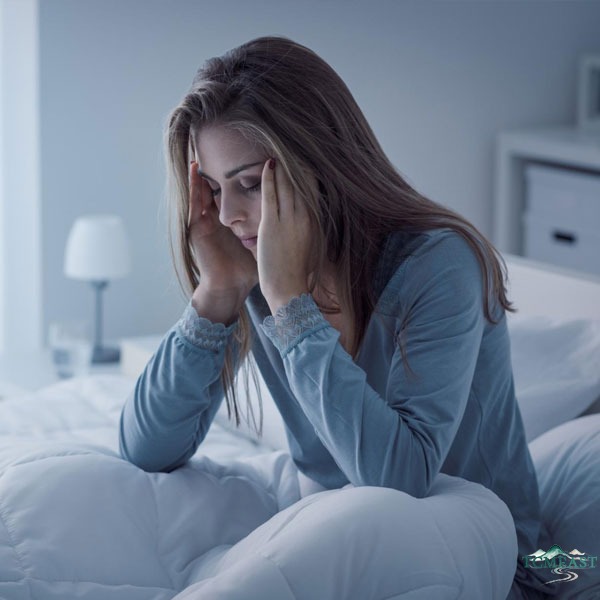
Why TCM Sees Insomnia as a Spirit Issue
In Traditional Chinese Medicine, sleep is not merely a matter of turning off the brain. Sleep is the natural state when the shen (spirit) is rooted and at rest. The shen resides in the Heart during sleep, and when the Heart is nourished with sufficient blood and yin, the spirit settles and sleep comes naturally.
When the shen cannot settle — because of Heart blood deficiency, Liver fire, or Heart-Kidney disharmony — the spirit floats upward. This manifests as difficulty falling asleep, waking frequently, vivid dreaming, or restless sleep with anxiety.
In TCM, insomnia and anxiety are treated together. They are two sides of the same coin.
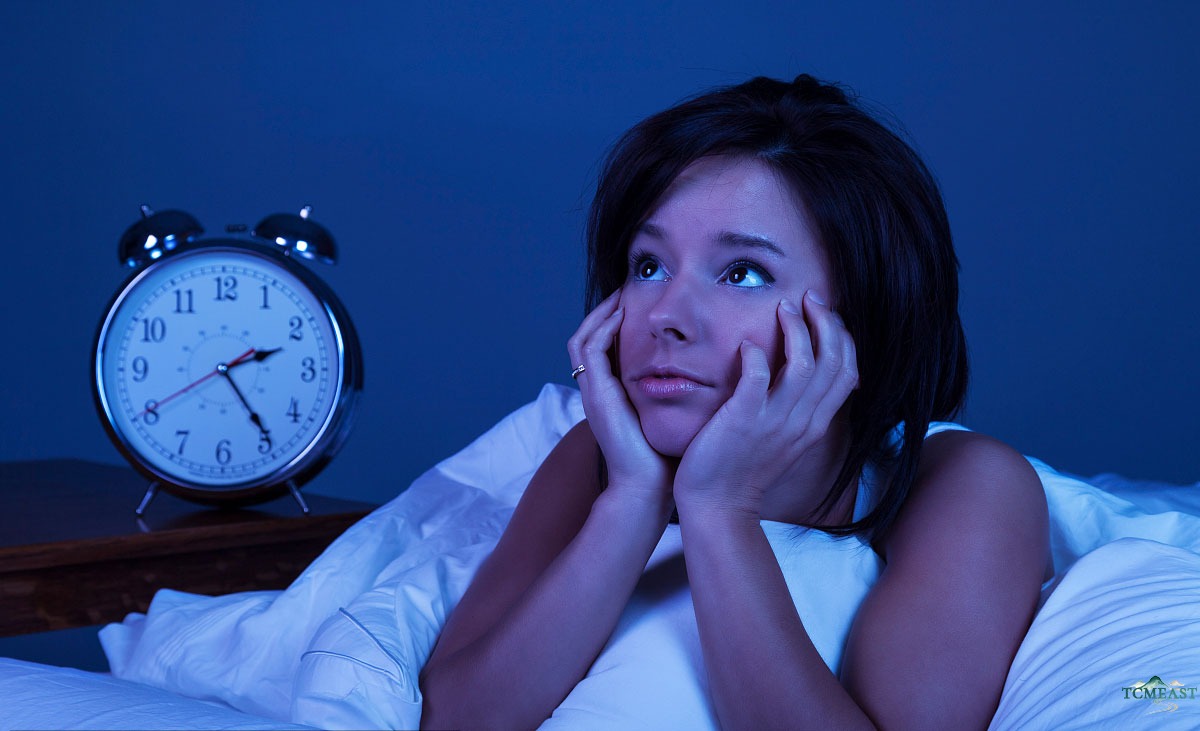
Three Common TCM Patterns of Insomnia
1. Heart Blood Deficiency
Signs: Difficulty falling asleep, pale complexion, palpitations, poor memory, mild anxiety, dry skin.
2. Liver Fire / Liver Qi Stagnation
Signs: Waking 1-3 AM, irritability, bitter taste, headaches, red face. Often stress-related.
3. Heart-Kidney Disharmony
Signs: Difficulty staying asleep, night sweats, tinnitus, lower back soreness, dream-disturbed sleep. Common in menopause.
Key Herbs for Sleep and Calm
Suan Zao Ren (Sour Jujube Seed) — The #1 Sleep Herb
Bitter and sour, enters Heart and Liver. Nourishes Heart blood and calms the shen. Best for difficulty falling asleep with palpitations and anxiety.
Dosage: 10-15g per day in decoction — crush seeds before cooking.
Classical formula: Suan Zao Ren Tang from the Shang Han Lun, combining Suan Zao Ren with Chuan Xiong, Fu Ling, Zhi Mu, and Gan Cao.
Bai He (Lily Bulb)
Sweet and slightly cool, enters Heart and Lung. Best for insomnia with mental restlessness or unexplained sadness. Use 10-30g in decoction or congee.
Ye Jiao Teng (Caulis Polygoni Multiflori)
The "vine that meets at night" — a poetic name reflecting its sleep-inducing nature. Use 15-30g in decoction.
Fu Ling (Poria)
Sweet and neutral, calms the spirit while strengthening the Spleen. Ideal for insomnia with palpitations and poor digestion. Use 10-15g.
Recommended Pairing: Bai He + Suan Zao Ren
Combine to simultaneously nourish Heart yin (Bai He) and calm the shen (Suan Zao Ren). A powerful combination for stress-related and menopausal insomnia.
Acupressure Points for Better Sleep
Stimulate each point with gentle circular pressure for 1-2 minutes before bed.
Shen Men (HT7, Spirit Gate)
Location: Inner wrist crease, in line with the little finger.
Action: The master point for calming the spirit. Regulates Heart qi, effective for both insomnia and anxiety.
San Yin Jiao (SP6, Three Yin Intersection)
Location: Four finger-widths above the inner ankle, behind the shinbone.
Action: Harmonizes Spleen, Liver, and Kidney. Excellent for hormonal insomnia.
An Mian (Extra Point, Peaceful Sleep)
Location: Behind the earlobe, in the depression between the mastoid bone and jawbone.
Action: A modern point discovered specifically for sleep.
Yong Quan (KI1, Gushing Spring)
Location: On the sole of the foot, in the depression when toes curl under.
Action: Draws fire downward. Helpful for the Heart-Kidney disharmony pattern.
Calming Tea and Food Recipes
Suan Zao Ren Sleep Tea
Crush 10g Suan Zao Ren seeds. Combine with 10g Fu Ling and a few goji berries in 500ml water. Simmer 20 minutes. Drink 1 hour before bed.
Goji Berry & Lily Bulb Night Tea
Simmer 5g goji berries and 10g dried lily bulb in 300ml water for 15 minutes. Stir in 1 teaspoon honey. Drink warm before bed.
Poria & Chinese Yam Calming Congee
Combine 50g rice, 15g dried Chinese yam, and 5 red dates in 800ml water. Simmer 30 minutes. Stir in 10g Fu Ling powder. Cook 5 more minutes. Serve warm.
TCM Lifestyle Tips for Better Sleep
- Eat your largest meal at lunch — Spleen is strongest 11am-1pm. Heavy dinners disturb sleep.
- No screens 1 hour before bed — Visual stimulation agitates Liver yang.
- Warm foot bath (40-42°C for 15 min) before sleep — draws qi downward.
- Bed by 11 PM — aligns with Gallbladder and Liver hours (11pm-3am), critical for blood storage.
- Gentle evening qigong or deep breathing — signals the body to rest.
This article is for educational purposes only. Always consult a qualified practitioner before starting any herbal regimen.
