
Desserts
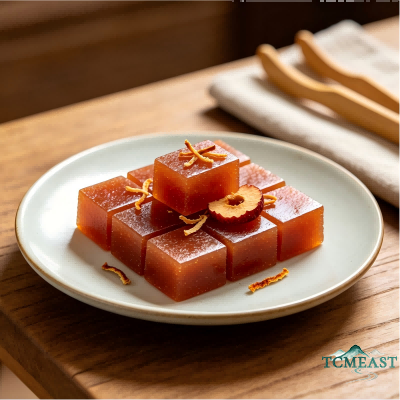
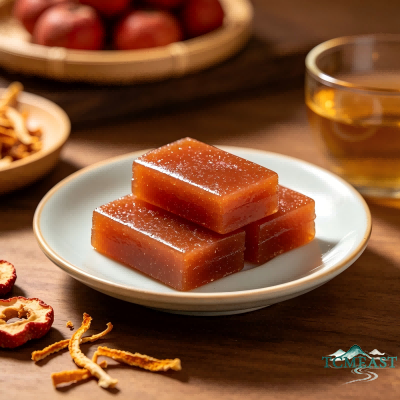
Dried Tangerine Peel and Hawthorn Cake
Dried tangerine peel and hawthorn cake is a traditional Chinese nourishing dessert that masterfully combines digestive and qi-regulating benefits. Fresh hawthorn provides a tangy, appetizing flavor that aids digestion and disperses stagnation, while aged tangerine peel brings its signature warming, aromatic notes that regulate qi and transform phlegm. Slowly simmered together, their flavors meld into a ruby-red, sweet-and-tart cake that is both a natural treat for children and a gentle digestive aid for adults. One bite awakens the palate and soothes the stomach – as the old saying goes: "Hawthorn digests, Chenpi moves qi; pair them up, and your stomach will be happy."
Main Ingredients
- Fresh hawthorn fruits 1000g
- Rock sugar 350-400g
- Dried tangerine peel (Chenpi) 15-20g
- Lemon juice a pinch
- Water as needed
Steps
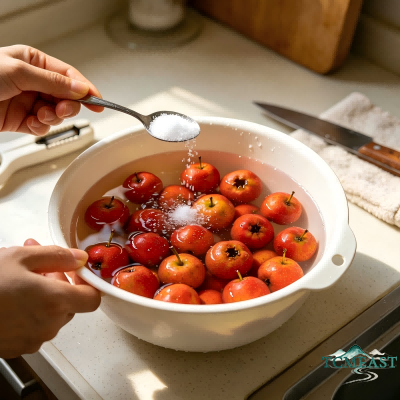
Wash hawthorn fruits with salt and water to remove dirt and pesticide residue. Use a paring knife or pitter to remove the bottom stem and calyx. If you don't have a pitter, keep the stem attached – after boiling, you can pull the stem to remove the seeds and most of the fibrous core.
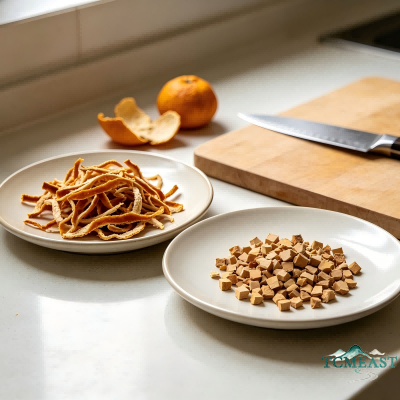
Soak dried tangerine peel in warm water for 15-20 minutes until soft. Remove and drain, scrape off the white pith (to reduce bitterness), and slice into thin strips or small pieces.
Bring water to a boil, add the prepared hawthorn with a few drops of lemon juice to prevent browning. Boil for 3 minutes only – do not overboil to avoid color fading. Reserve the cooking water for blending.
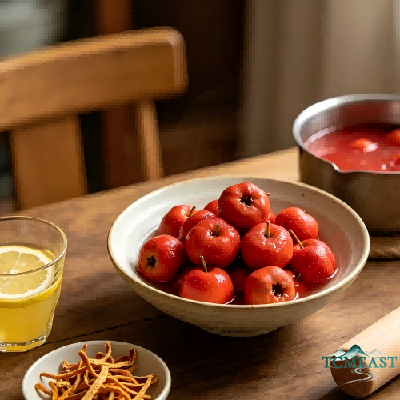
When hawthorn is slightly cooled, hold the stem and gently pull – seeds and most fibrous cores will come out in one go. Any remaining fibers will be filtered out later during sieving.
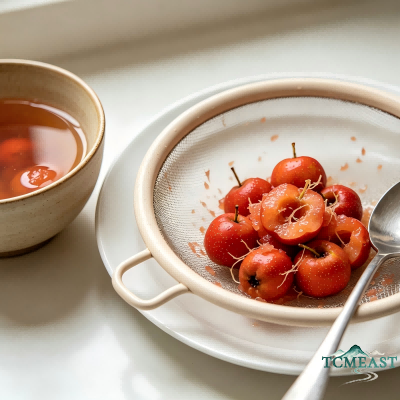
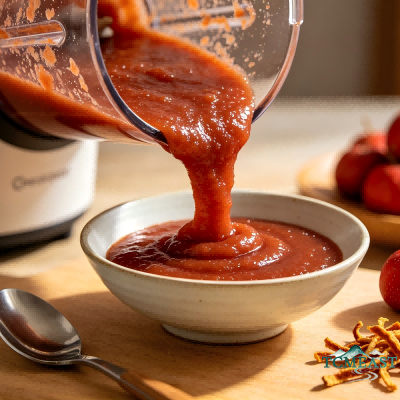
Transfer the seeded hawthorn pulp, soaked Chenpi, and some cooking water (enough for the blender to run smoothly) into a blender or food processor. Blend into a smooth hawthorn-Chenpi puree.
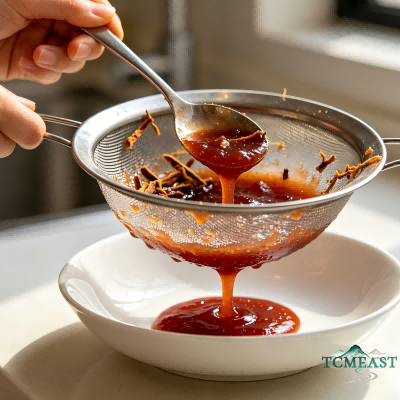
Strain the puree through a fine sieve to remove any unbroken peel pieces and fibers for an ultra-smooth texture.
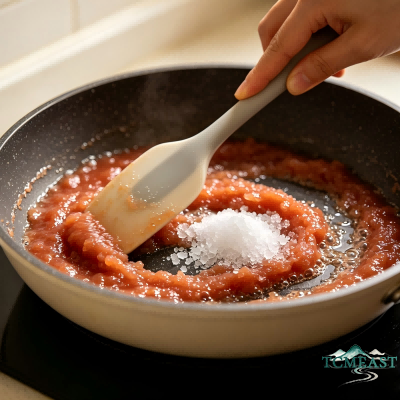
Pour the strained puree into a non-stick pan, add rock sugar. Bring to a boil over medium-high heat, then reduce to low heat and stir constantly with a silicone spatula (this requires patience and stamina) to prevent splattering. Cook until the paste coats the spatula and doesn't drip – about 30-50 minutes depending on water content.
Pour the hot paste into a mold lined with parchment paper or lightly oiled. Tap gently to remove air bubbles and smooth the surface. Cool completely, cover with plastic wrap, and refrigerate overnight (8-12 hours) until fully set. Slice and serve.
TCM Notes
Digestive aid & stagnation relief: Hawthorn is rich in organic acids (citric acid, malic acid) that stimulate gastric secretion and enhance pepsin activity – especially effective for meat-induced stagnation and abdominal bloating. Volatile oils in Chenpi gently stimulate digestive fluid secretion and promote gastrointestinal motility. Together, they double the digestive benefits. Qi-regulating & lipid-modulating: Hawthorn helps disperse blood stasis and reduce turbidity; Chenpi regulates qi and dries dampness. Moderate consumption may help relieve chest and abdominal distension from qi stagnation and support healthy lipid levels. Dampness-transforming & spleen-strengthening: Chenpi is known for strengthening the spleen, drying dampness, and transforming phlegm – beneficial for chest tightness, bloating, and body heaviness caused by phlegm-dampness. Hawthorn supports appetite and digestion. Vitamins & antioxidants: Hawthorn is exceptionally rich in vitamin C (higher than most citrus fruits), carotenoids, and flavonoids – providing strong antioxidant benefits. It also offers soluble dietary fiber for gut health.
Suitable for:Those with dietary excess, meat stagnation, poor digestion, or abdominal bloating Individuals with poor appetite, weak spleen and stomach, or diminished taste People with hyperlipidemia seeking dietary support Children and elderly in need of a gentle appetite-stimulating snack Anyone who enjoys a tangy-sweet treat after meals to cut through grease
Not suitable for:Pregnant women or those trying to conceive (Strictly avoid!) : Hawthorn stimulates uterine smooth muscle contractions – large amounts may increase miscarriage risk. Strictly contraindicated. Those with hyperacidity, gastric ulcers, or duodenal ulcers (Use with caution or avoid) : Hawthorn stimulates excessive gastric acid secretion, which may worsen pain and acid reflux. Diabetics (Strict portion control) : This cake contains significant added sugar plus natural fruit sugars. Consider using sugar substitutes or strictly limiting serving size. Those with spleen-stomach weakness without food stagnation (Avoid regular consumption) : Hawthorn strongly promotes digestion but can deplete stomach qi if consumed excessively without actual stagnation. Those with dental caries (Use with caution) : The acidity may erode tooth enamel – rinse mouth after eating. Those allergic to hawthorn or Chenpi (rare).
