
Herbal Teas
Cassia Seed and Rose Tea
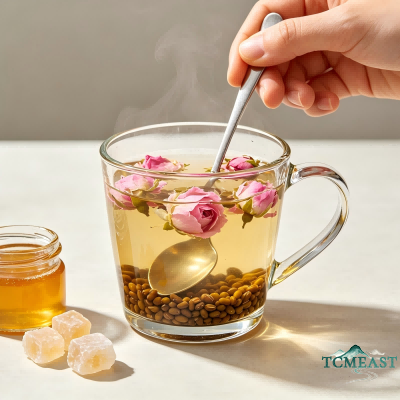
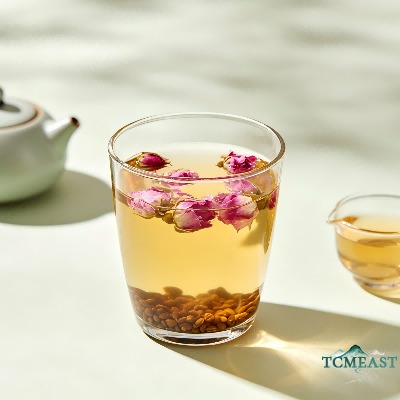
Cassia seed and rose tea is a classic health tea that combines the purging properties of Chinese herbs with the gentle nourishment of floral tea. Cassia seeds, slightly cold in nature, are known for clearing the liver, improving vision, and moistening the intestines. Roses, warm in nature, help soothe the liver, relieve depression, and activate blood circulation. One cools, one warms; one clears, one soothes – cassia seeds purge liver-fire to treat the "symptoms," while roses relieve liver stagnation to address the "root cause." Together, they balance each other's properties – the warmth of roses moderates the coldness of cassia seeds, reducing irritation to the stomach while enhancing the liver-soothing effect. The tea has a golden, translucent color, with an elegant rose fragrance and a unique roasted, slightly bitter yet sweet taste from the cassia seeds. It is especially suitable for modern individuals who spend long hours in front of screens, suffer from anxiety, or struggle with constipation – a true "liver-soothing and depression-relieving companion" for the office and home.
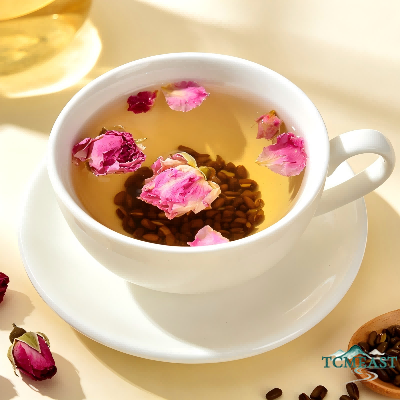
Main Ingredients
- Cassia seeds (preferably stir-fried) 5-10g
- Dried roses (double-petal red rose preferred) 3-5g (about 5-8 buds)
- Boiling water 300-500ml
- Rock sugar or honey to taste
Steps
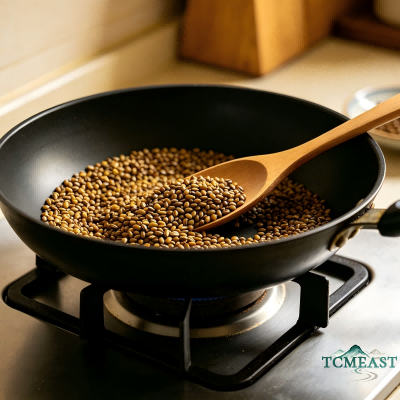
If using raw cassia seeds, dry-fry them in a pan over low heat without oil until slightly yellow with popping sounds. Remove and let cool. Stir-fried seeds have a milder cold nature and release active ingredients more easily.
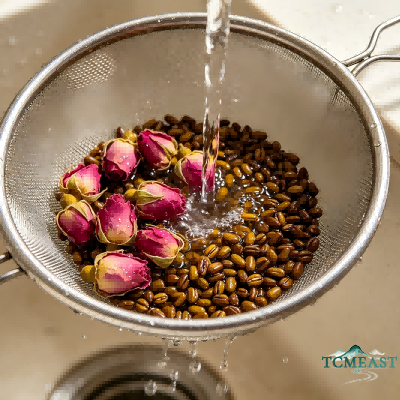
Quickly rinse the cassia seeds and dried roses with water to remove surface dust, then drain.
Place the cassia seeds and roses into a teacup or teapot. Pour in boiling water at 95℃-100℃. Cover and steep for 5-10 minutes.
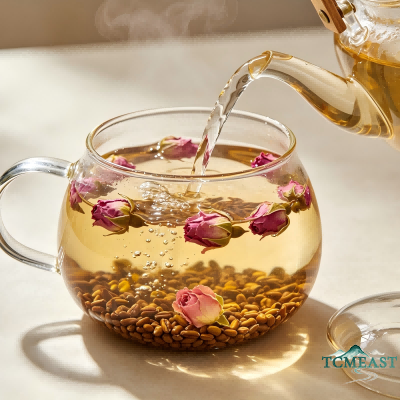
When the tea cools to about 50℃-60℃, add rock sugar or honey to taste.
It is recommended to drink 1 hour after meals. Daily intake should not exceed 800ml. After 2 weeks of continuous consumption, take a 3-day break. Can be re-brewed 2-3 times.
TCM Notes
Liver-clearing & vision-improving (core benefit): Cassia seeds act primarily on the liver meridian, clearing liver heat to improve vision. Roses also enter the liver meridian, with their aromatic qi-enhancing properties strengthening the effect of cassia seeds. Together, they effectively relieve red, swollen, painful eyes, photophobia, excessive tearing, blurred vision, and dizziness caused by liver-fire. Liver-soothing & mood-elevating: Roses soothe the liver, regulate qi, and calm the mind, relieving rib-side pain, depression, irritability, and chest tightness caused by liver qi stagnation. Cassia seeds help calm liver yang, working together to improve emotional well-being. Laxative & bowel-regulating: Cassia seeds are bitter and slippery, acting on the large intestine meridian to clear heat and moisten the intestines for smoother bowel movements – particularly effective for constipation due to intestinal dryness and fluid depletion. The sweet taste of roses helps harmonize the medicinal properties. Lipid-lowering & weight management support: Modern research shows cassia seeds have lipid-lowering and weight-reducing effects. Roses help regulate endocrine function and boost metabolism. Together, they provide adjunctive support for those with high cholesterol or obesity. Beautifying & antioxidant: Roses are rich in volatile oils and vitamin C, promoting blood circulation and improving complexion. Active compounds in cassia seeds provide antioxidant benefits.
Suitable for:Office workers and students who use computers and phones for long periods (eye strain, dry eyes, blurred vision) Those with exuberant liver-fire or liver qi stagnation (red, swollen eyes, irritability, depression, chest tightness) Those with constipation due to intestinal dryness (not the qi-deficiency/loose-stool type) Those with high cholesterol or obesity seeking adjunctive support Those with high work pressure, anxiety, or poor sleep General population for daily wellness
Not suitable for:Pregnant and breastfeeding women (Strictly avoid!):Cassia seeds may stimulate uterine contractions, and roses have blood-activating effects – consumption during early pregnancy may increase miscarriage risk. Those with spleen-stomach deficiency-cold, loose stools, or diarrhea (Use with caution or avoid!):Cassia seeds are cold in nature and may worsen diarrhea and abdominal coldness. If consuming, add 3 slices of fresh ginger to moderate the cold nature and strictly limit the amount. Those with low blood pressure (Use with caution):Cassia seeds have a clear blood pressure-lowering effect and may further reduce blood pressure, worsening dizziness and fatigue. Women during menstruation (Use with caution):Roses have blood-activating and stasis-dispersing properties – those with heavy menstrual flow may experience increased bleeding or prolonged periods. Those with qi-deficiency loose stools or yin-deficiency with fire-excess (Use with caution):Cassia seeds are cold and may damage vital qi; roses are warm and may worsen yin-deficiency fire symptoms. Those taking anticoagulant medications (Note):Vitamin K in roses may affect drug efficacy – maintain a 2-hour interval between tea consumption and medication. Children and those on medication: Should consume only under medical guidance. Those allergic to cassia seeds or roses (Avoid).
