
Herbal Teas
Lily Bulb and Ophiopogon Tea (Bai He Mai Dong Tea)
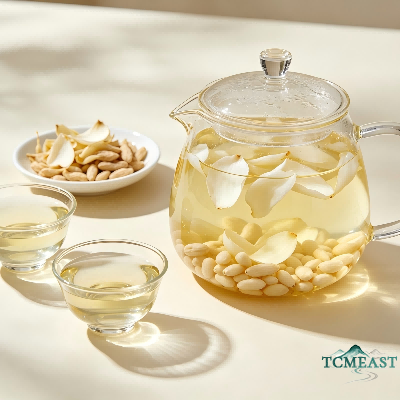
Lily bulb and ophiopogon tea is a classic herbal tea that nourishes yin, moistens the lungs, clears the heart, and calms the mind. Lily bulbs, sweet in taste and cold in nature, act on the heart and lung meridians, nourishing yin, moistening the lungs, and calming the mind. Ophiopogon root, sweet and slightly bitter in taste and slightly cold in nature, acts on the heart, lung and stomach meridians, nourishing yin, promoting fluid production, and clearing the heart. Lily bulbs "clear the heart and calm the mind," while ophiopogon "tonifies the heart and calms the mind" – one clears, one tonifies, working together synergistically. The tea has a clear, pale yellow color, with a delicate, sweet flavor from the lily bulbs and a slightly bitter yet mellow aftertaste from the ophiopogon. It is especially suitable for dry autumn days, after late nights, or when suffering from insomnia, irritability, or dry throat.
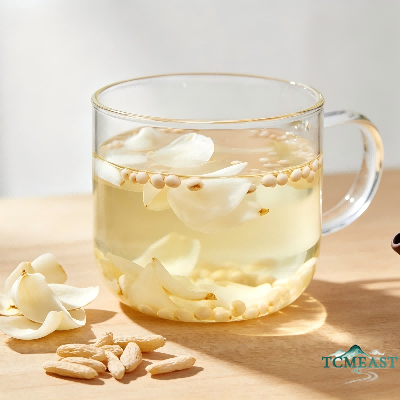
Main Ingredients
- Dried lily bulbs 10-15g (or fresh lily bulbs 30g)
- Ophiopogon root (Mai Dong) 10g
- Boiling water 300-500ml
Steps
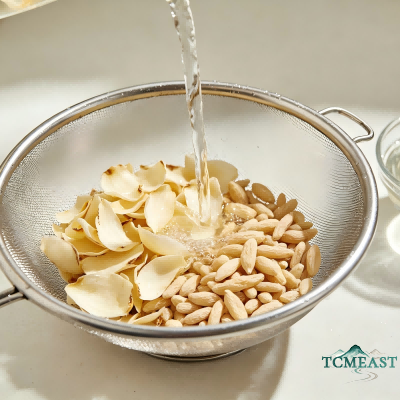
Quickly rinse the dried lily bulbs and ophiopogon root with water to remove surface dust. If using dried lily bulbs, soak in warm water for 30 minutes to 1 hour in advance.
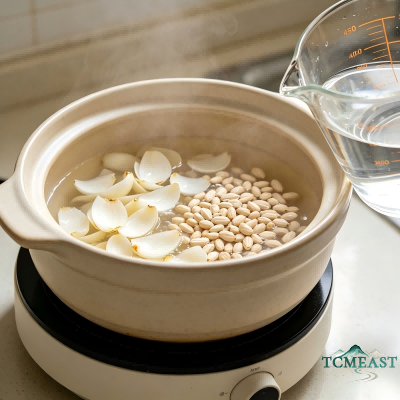
Brewing method: Place the lily bulbs and ophiopogon root into a teacup or thermos. Pour in boiling water at 95℃-100℃. Cover and steep for 15-20 minutes. Decoction method: Place the lily bulbs and ophiopogon root into a clay pot or herbal tea kettle with water (approx. 500-800ml). Bring to a boil, then reduce to low heat and simmer for 20-30 minutes.
When the tea cools to about 50℃-60℃, add rock sugar or honey to taste.
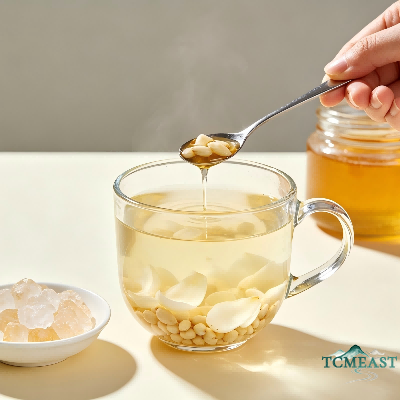
It is recommended to drink 1-2 servings per day as a tea substitute. Can be re-brewed until the flavor fades. Drink warm, not cold.
TCM Notes
Nourishing yin, moistening the lungs, relieving cough & promoting fluid production (core benefit): Both lily bulbs and ophiopogon root act on the lung meridian, effectively nourishing lung yin. They help relieve dry cough without phlegm, nasal dryness, sore throat, and hoarseness caused by lung yin deficiency. Clearing the heart, calming the mind & improving sleep (core benefit): Lily bulbs enter the heart meridian and clear heart heat to calm the mind. Ophiopogon root nourishes heart yin and clears heart heat. Together, they effectively relieve palpitations, insomnia, excessive dreaming, restlessness, and nervous tension caused by heart yin deficiency with heat. Promoting fluid production & benefiting the stomach: Ophiopogon root acts on the stomach meridian, benefiting the stomach and promoting fluid production, relieving thirst and internal heat with excessive thirst. Immunity-boosting & antioxidant: Modern research shows that ophiopogon contains ophiopogonins and other active compounds that enhance immune function, regulate blood sugar, and delay aging. Lily bulbs contain colchicine and other compounds with sedative, antidepressant, and immunomodulatory effects.
Suitable for:Those with late-night habits, voice overuse, or dry mouth and throat Those with lung-dry cough, dry cough with little or no phlegm Those suffering from insomnia, excessive dreaming, restlessness, or nervous tension Menopausal women (yin deficiency with internal heat, irritability) Those in air-conditioned or dry environments General population for daily wellness during dry autumn and winter seasons
Not suitable for:Those with spleen-stomach deficiency-cold, loose stools, or diarrhea (Use with caution or avoid!):Both lily bulbs and ophiopogon are cold in nature and may worsen symptoms of spleen-stomach deficiency-cold. Symptoms include cold intolerance, abdominal pain, loose stools, and stomach pain after eating cold foods. Those with wind-cold coughs (Avoid!):Symptoms include deep cough with thin white phlegm and clear runny nose – the cooling tea will worsen the condition. Those with excessive phlegm-dampness, chest tightness, or epigastric fullness (Use with caution):Symptoms include copious thin phlegm and thick greasy tongue coating – yin-nourishing herbs may promote dampness and phlegm. Pregnant and breastfeeding women (Use with caution):The tea is cooling in nature – consume only under medical guidance. Those with allergies (Avoid!):Those allergic to lily bulbs or ophiopogon may experience rashes or itching.
