
Herbal Teas
Dried Tangerine Peel and Stir-Fried Coix Seed Tea (Chen Pi Chao Yi Mi Cha)
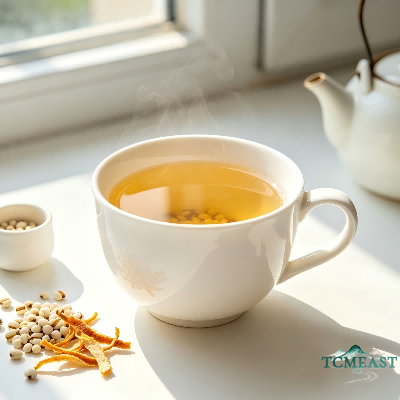
Dried tangerine peel and stir-fried coix seed tea is a classic Chinese wellness tea designed to strengthen the spleen, drain dampness, regulate qi, and transform phlegm. Chenpi, warm in nature with a pungent and bitter taste, acts on the spleen and lung meridians – it regulates qi, strengthens the spleen, and dries dampness to transform phlegm. Stir-fried coix seeds have a moderated cool nature, becoming more balanced, and are known for strengthening the spleen, stopping diarrhea, and promoting diuresis. Together, Chenpi works on existing phlegm-dampness, while stir-fried coix seeds strengthen the spleen to prevent dampness from forming. The warmth of Chenpi complements the gentleness of stir-fried coix seeds, draining dampness without harming spleen yang. The tea has a golden color, with a rich, toasted aroma and a mildly bitter yet sweet aftertaste. It is especially suitable for those with heavy internal dampness, sticky phlegm, body heaviness, or post-meal bloating – an ideal "dampness-relief companion" for the office and home.
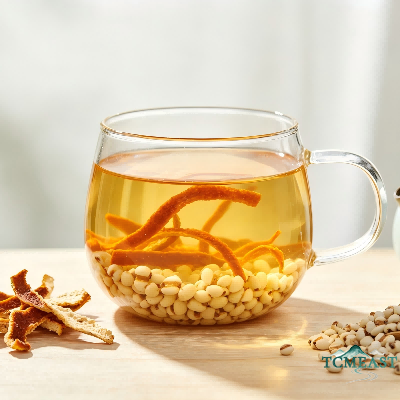
Main Ingredients
- Stir-fried coix seeds (Job's tears seeds) 10-15g
- Dried tangerine peel (Chenpi) 3-5g (about 1 small strip)
- Boiling water 300-500ml
Steps
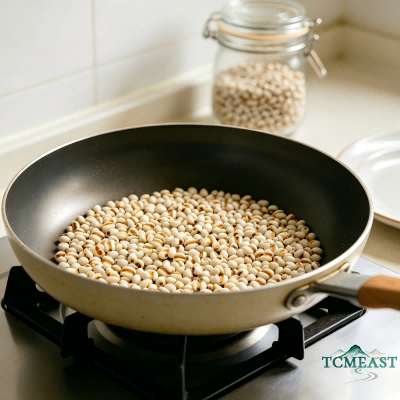
Clean raw coix seeds and place them in a dry, oil-free pan. Stir-fry over low to medium-low heat for about 30-40 minutes until the seeds turn slightly yellow, develop light scorch marks, puff up, and release a toasted aroma. Remove from heat, let cool, and store in a sealed container. (Skip this step if using commercially prepared stir-fried coix seeds.)
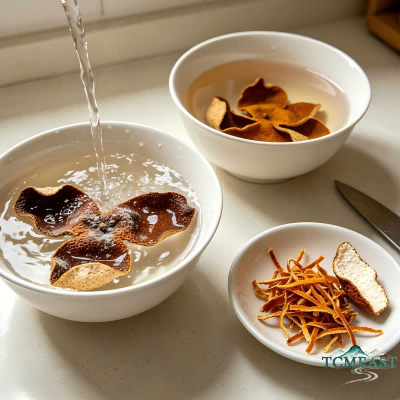
Rinse the Chenpi quickly to remove surface dust. Optionally, soak in boiling water for 10 minutes, scrape off the inner white pith, and slice into thin strips.
Brewing method (convenient): Place 10-15g of stir-fried coix seeds and 3-5g of Chenpi into a cup. Pour in boiling water at 95℃-100℃. Cover and steep for 10-15 minutes. Drink when it cools to a comfortable temperature. Decoction method (more potent): Place the stir-fried coix seeds and Chenpi into a kettle with 500-800ml of water. Bring to a boil over high heat, then reduce to low heat and simmer for 15-20 minutes. Strain and drink.
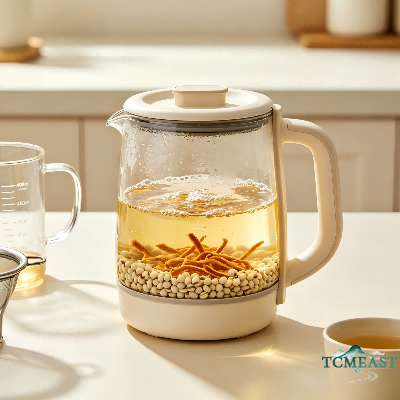
Brewing method (convenient): Place 10-15g of stir-fried coix seeds and 3-5g of Chenpi into a cup. Pour in boiling water at 95℃-100℃. Cover and steep for 10-15 minutes. Drink when it cools to a comfortable temperature. Decoction method (more potent): Place the stir-fried coix seeds and Chenpi into a kettle with 500-800ml of water. Bring to a boil over high heat, then reduce to low heat and simmer for 15-20 minutes. Strain and drink.
TCM Notes
Spleen-strengthening, dampness-draining & diuretic (core benefit): Stir-fried coix seeds are balanced in nature and excel at draining spleen dampness and stopping diarrhea. Chenpi regulates qi and strengthens the spleen, improving middle-jiao qi movement. Together, they effectively relieve limb heaviness, dizziness, poor appetite, loose stools, and fatigue caused by spleen deficiency with dampness. Drying dampness, transforming phlegm & regulating qi: Stir-fried coix seeds have strong dampness-draining properties, while Chenpi's warm, pungent nature dries dampness and transforms cold phlegm. This combination is ideal for those with phlegm-dampness issues – symptoms include excessive phlegm, chest tightness, poor appetite, and body heaviness. Strengthening the spleen & relieving diarrhea: Stir-fried coix seeds act on the spleen meridian, effectively stopping diarrhea. Chenpi harmonizes the middle jiao. Together, they address epigastric and abdominal distension, pain, and diarrhea caused by spleen deficiency with dampness or cold-dampness stagnation in the middle jiao. Gentle and suitable for long-term use: Stir-frying moderates the cool nature of coix seeds, making them more温和 than raw coix seeds. Paired with the warm nature of Chenpi, this tea is balanced and suitable for long-term consumption.
Suitable for:Those with heavy internal dampness – body heaviness, limb soreness, fatigue Those with sticky phlegm, chest tightness, or poor appetite Those with spleen deficiency and dampness excess – loose, sticky stools Those with post-meal bloating, greasy diet, or poor digestion Office workers with sedentary lifestyles and accumulated internal dampness Residents in humid climates needing regular dampness-preventive care
Not suitable for:Pregnant women (Strictly avoid!): Coix seeds are cold and slippery in nature – studies suggest they may stimulate uterine contractions and increase miscarriage risk. Strictly contraindicated. Those with yin deficiency or yin-deficient dry cough (Use with caution or avoid!): Symptoms include dry mouth, red tongue with little moisture, dry cough without phlegm – Chenpi's warm, dry nature may worsen yin deficiency with internal heat. Those with severe spleen-stomach deficiency-cold (Use with caution): Symptoms include abdominal pain, diarrhea, and cold intolerance – although stir-fried coix seeds are moderated, they remain slightly draining. Pair with warming ingredients like ginger or red dates to balance the properties. Those with heat constitution or yin deficiency with fire-excess (Avoid long-term use): Chenpi's warm, dry nature may worsen internal heat. Those with constipation (Use with caution): The diuretic effect may reduce intestinal moisture and worsen constipation. Those with kidney dysfunction (Use with caution): The diuretic effect may strain the kidneys. Those allergic to Chenpi or coix seeds (Avoid): May cause rashes, diarrhea, or other allergic reactions.