
Stews
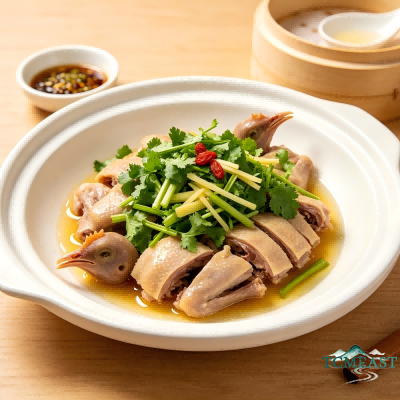
Steamed Quail with Coriander
Steamed Quail with Coriander is a classic nourishing dish. As the saying goes, "If you want to eat poultry, choose pigeon or quail." Quail meat is highly nutritious, rich in protein and vitamins, and is known as "animal ginseng". This dish uses steaming to retain the original flavor of the ingredients. The finished meat is tender and delicious, with a unique coriander fragrance.
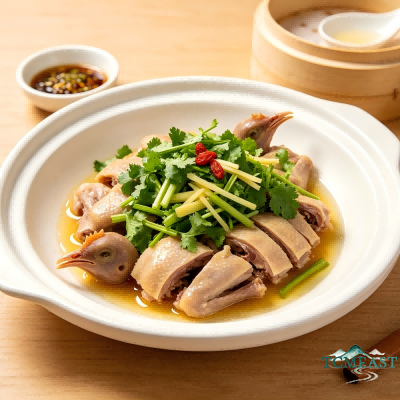
Main Ingredients
- Quail 2 pieces
- Coriander (cilantro) 2 stalks
- Ginger 2 slices
- Sesame oil to taste
- Rice wine to taste
- Cornstarch to taste
- White sugar to taste
- Soy sauce to taste
- Salt to taste
Steps
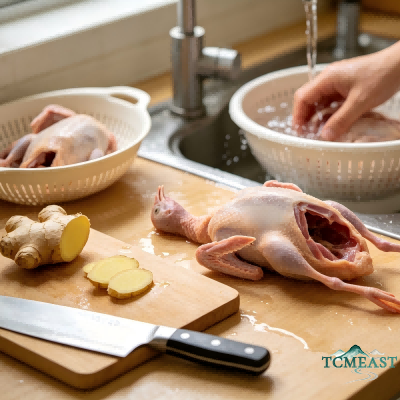
Cut open the quail, remove the skin and internal organs, wash thoroughly, and drain. Slice the ginger into 2 pieces
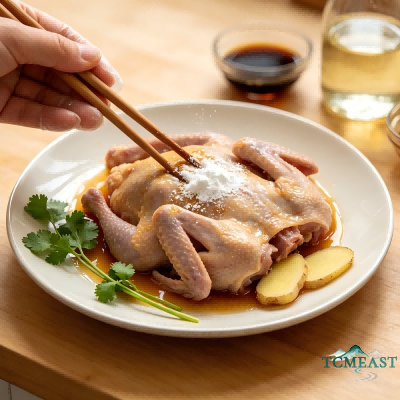
Place the prepared quail and ginger slices in a plate. Add soy sauce, rice wine, and sesame oil in sequence, then sprinkle with cornstarch, sugar, and salt. Mix all the seasonings with the quail and marinate for a while to allow the flavors to penetrate. Rice wine effectively removes the gamey smell. Place 2 stalks of coriander on top of the marinated quail
Bring water to a boil in a steamer. Place the plate with the quail inside, cover, and steam over high heat for 10 minutes.
TCM Notes
Quail: In TCM, quail meat is sweet in taste and neutral in nature. It is known to "tonify the five internal organs, benefit the middle qi, strengthen tendons and bones, endure cold and heat, and dissipate accumulated heat". Long-term consumption may have auxiliary therapeutic effects on vascular sclerosis, hypertension, neurasthenia, tuberculosis, and hepatitis. Modern nutrition also points out that quail meat is a typical high-protein, low-fat, and low-cholesterol food. Coriander: Also known as cilantro, it is warm in nature and pungent in taste. It is rich in nutrients, with a vitamin C content much higher than that of ordinary vegetables. The Compendium of Materia Medica states that it can "connect internally to the heart and spleen, and externally to the four limbs". It has the effects of inducing sweating, promoting rash eruption, aiding digestion, and harmonizing the spleen and stomach. Together, they achieve the effects of tonifying the middle qi, strengthening tendons and bones, stopping diarrhea, and relieving coughs.
Suitable for:Suitable for the general population, especially those who are physically weak and need nutritional supplements. Those recovering from illness, with neurasthenia, anemia, or malnutrition. Patients with hypertension and obesity.
Not suitable for:Patients with hyperuricemia and gout: Quail meat is a moderate-purine food and may worsen the condition. Patients with liver disease: The high protein content in quail meat may burden the liver. Those with indigestion: The fat in quail meat is difficult to digest and may burden the gastrointestinal tract. Patients with cardiovascular and cerebrovascular diseases: Quail meat has a relatively high cholesterol ratio. Children: Should not consume excessively at an early age. Note on combining with coriander: Some views suggest that coriander contains vitamin C oxidase, which may reduce the utilization of vitamin C in quail meat. Coriander should not be overconsumed: Traditional views suggest that excessive consumption of coriander may "harm the spirit and affect the eyes".