
Congees
Chrysanthemum Porridge
Chrysanthemum Porridge is a time-honored medicinal porridge originating from the Qing Dynasty wellness classic Ci Shan Porridge Manual. Chrysanthemum is sweet, slightly bitter, and cold in nature, acting on the Lung and Liver meridians. It is a representative herb for dispersing wind-heat and clearing the liver to improve vision. When combined with japonica rice, which "tonifies the middle and strengthens the spleen and stomach", the porridge is both aromatic and refreshing. It is renowned for dispersing wind-heat, clearing the liver, improving vision, and calming the liver to lower blood pressure. It is especially suitable for wind-heat colds, liver-fire conditions with headache and red eyes, and hypertension of the liver-yang hyperactivity type.
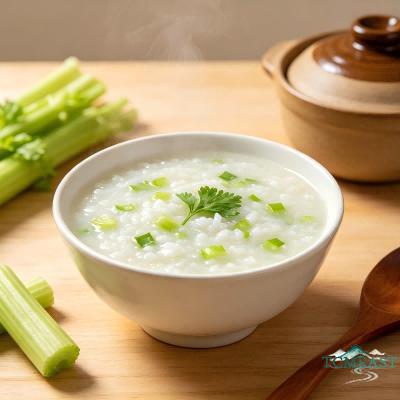
Main Ingredients
- Dried chrysanthemum flowers 15g
- Japonica rice (or glutinous rice) 100g
- Rock sugar approx. 20g
- Water 800ml
Steps
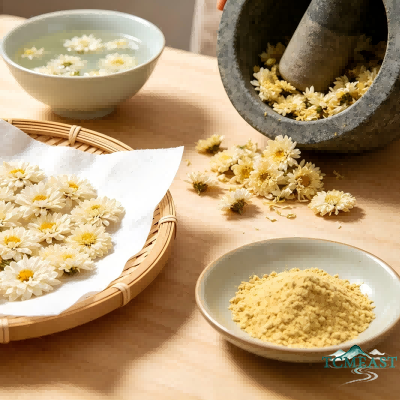
Remove the stems from dried chrysanthemums, rinse, dry, and grind into a fine powder.
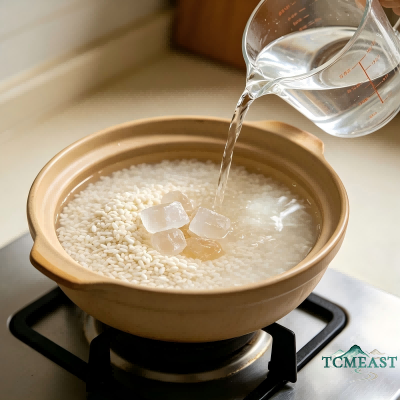
Rinse the japonica rice and place in a pot with rock sugar and about 500ml of water.
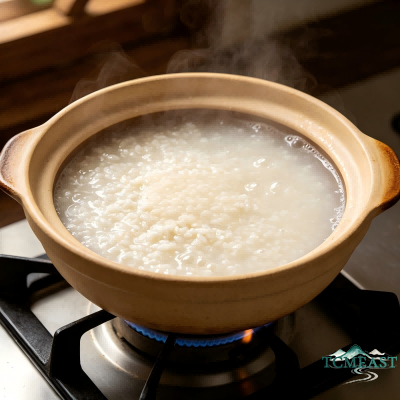
Bring to a boil over high heat, then reduce to low heat and simmer until the rice grains bloom and the porridge is not yet fully thickened.
Sprinkle the chrysanthemum powder (10g) evenly into the porridge.
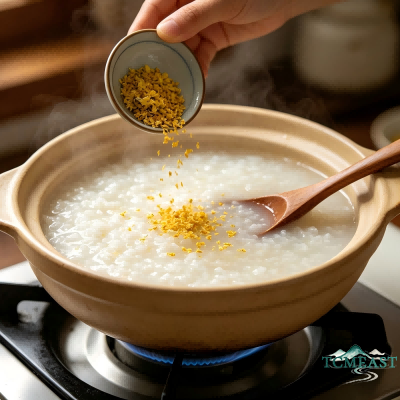
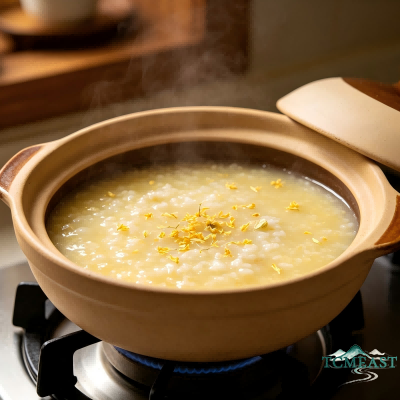
Continue simmering over low heat until thickened, then turn off the heat and let it rest for 5 minutes.
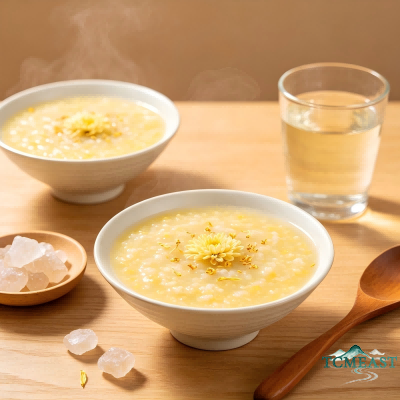
Consume twice daily, slightly warm.
TCM Notes
Chrysanthemum: Rich in flavonoids, lutein, vitamin A, and B vitamins. Flavonoids help eliminate free radicals and reduce inflammation; lutein and vitamin A help relieve dry, tired eyes and protect vision. Modern clinical studies show that chrysanthemum can dilate coronary arteries, increase blood flow, and lower blood pressure, providing auxiliary benefits for hypertension, coronary heart disease, arteriosclerosis, and hypercholesterolemia. Japonica rice: Provides carbohydrates and energy, tonifies the middle, and strengthens the spleen and stomach. Rock sugar: Moistens the lungs and harmonizes the flavor. Together, they achieve the synergistic effects of dispersing wind-heat, clearing the liver, improving vision, calming the liver, and lowering blood pressure and lipids.
Suitable for:Those with wind-heat colds: Symptoms include fever, headache, red and swollen eyes, and sore throat Those with liver-fire rising: Symptoms include dizziness, red face and eyes, irritability, and bitter taste Those with liver-yang hyperactivity hypertension: Unstable blood pressure, headaches worsening with stress or fatigue, accompanied by tinnitus, insomnia, dreaminess, and thin yellow tongue coating Those with eye strain from prolonged screen use: Dry, tired, or blurry eyes Those with hyperlipidemia (as adjunctive therapy) General population, especially suitable for summer consumption (clears heat and relieves summer heat); also suitable in spring and autumn
Not suitable for:Those with Spleen-Stomach deficiency cold: Those with cold sensitivity, poor appetite, bloating, loose stools, or frequent diarrhea – use with caution or avoid Those with qi deficiency and stomach cold Those with headache, dizziness, or eye pain due to Liver-Kidney Yin deficiency – not suitable Those with wind-cold colds: Symptoms include chills, clear nasal discharge, and cough with white phlegm – should avoid Those with low blood pressure: Chrysanthemum has a blood pressure-lowering effect – consume with caution Pregnant women, breastfeeding women, and those with allergies – consult a TCM practitioner before consumption Not recommended in winter
