
Body & Nature
Forest Therapy
Forest therapy harnesses six major medicinal effects of forests — oxygen production, sound absorption, nervous system calming, air purification, pathogen sterilization, and climate regulation. This article details the practice of forest bathing (best from May to October, progressing from 15 to 60-90 minutes, divided into static and dynamic types) and lists its indications, including chronic respiratory and cardiovascular conditions.
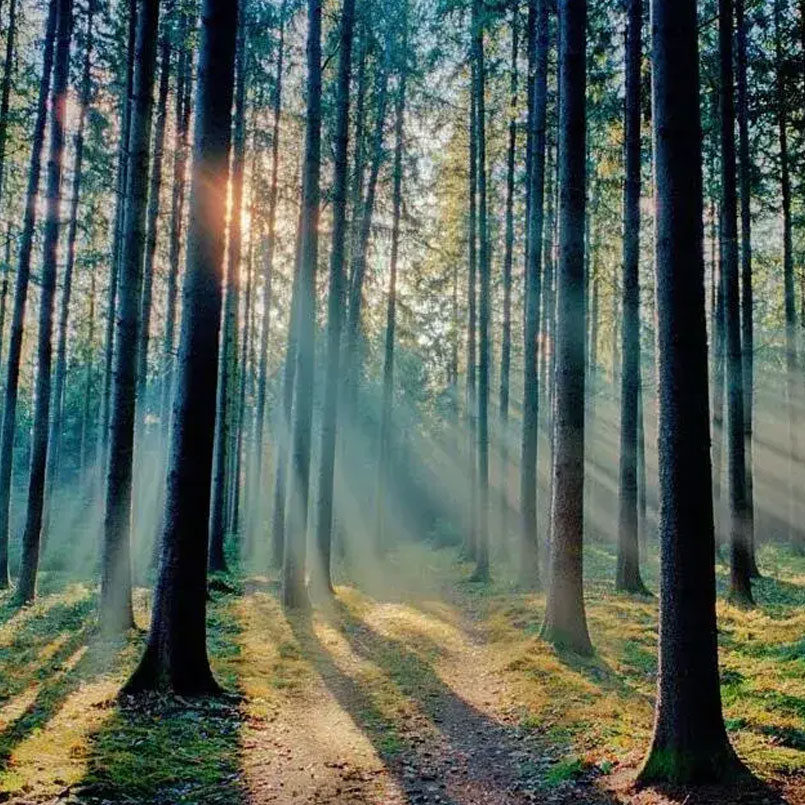
The medicinal functions of forests are as follows: first, producing oxygen — forests are known as “natural oxygen factories”; second, blocking noise — the lush green branches and leaves of forests can absorb sound waves; third, providing calming green — the green of the forest exerts a regulatory effect on the human nervous system, capable of calming emotions and refreshing the eyes and vision; fourth, purifying the air — forests have the function of absorbing toxic gases and dust; fifth, killing pathogenic bacteria — for instance, pines and cypresses can kill airborne pathogens such as diphtheria, tuberculosis, cholera, dysentery, and typhoid bacilli; sixth, regulating air temperature — entering a forest provides coolness in summer and warmth in winter, making it an ideal environment for convalescence.
The most suitable seasons for forest therapy are summer and autumn (May to October), with the daily bathing time being from 10 a.m. to 4 p.m., and the ambient air temperature generally between 15°C and 25°C. During the forest bath, the patient first wears loose clothing and strolls in the forest for about 10 minutes while practicing deep breathing. Then, as the body adapts, outer clothing is gradually removed, finally leaving only shorts and a short-sleeved top, though complete nudity is unnecessary. One form of the bath involves lying down on a bed or reclining chair, which is called static forest bathing. Another form involves engaging in non-competitive physical activities, such as practicing Tai Chi, which is called dynamic forest bathing. For the first session, the bathing time is 15 minutes, during which the semi-nude duration should not be too long. Thereafter, the session is increased by 5–10 minutes each time, progressively extending to 60–90 minutes per session. Two sessions per day are recommended, and one month constitutes a course of treatment.
Indications for Forest Therapy: Chronic rhinitis, pharyngitis, chronic bronchitis, emphysema, pulmonary tuberculosis, and asthma; as well as coronary heart disease, hypertension, arteriosclerosis, and related conditions.
