
Body & Nature
TCM for Menopause: Cooling Heat and Nourishing Yin
A TCM perspective on menopause as a natural transition, with herbs and acupressure for hot flashes, night sweats, mood swings, and sleep changes, plus diet and lifestyle support.
Acupuncture and TCM for Fertility: A Practical Guide
How TCM approaches fertility: the Kidney and Uterus connection, common patterns that delay conception, what acupuncture can and cannot do, and how to prepare the body for pregnancy.

Autumn Allergies from a TCM View: Wind, Dampness and Immune Balance
Why autumn allergies flare, how TCM reads them as wind and immune imbalance, and the herbs, foods, and habits that calm a sensitive nose and eyes without weakening the body.
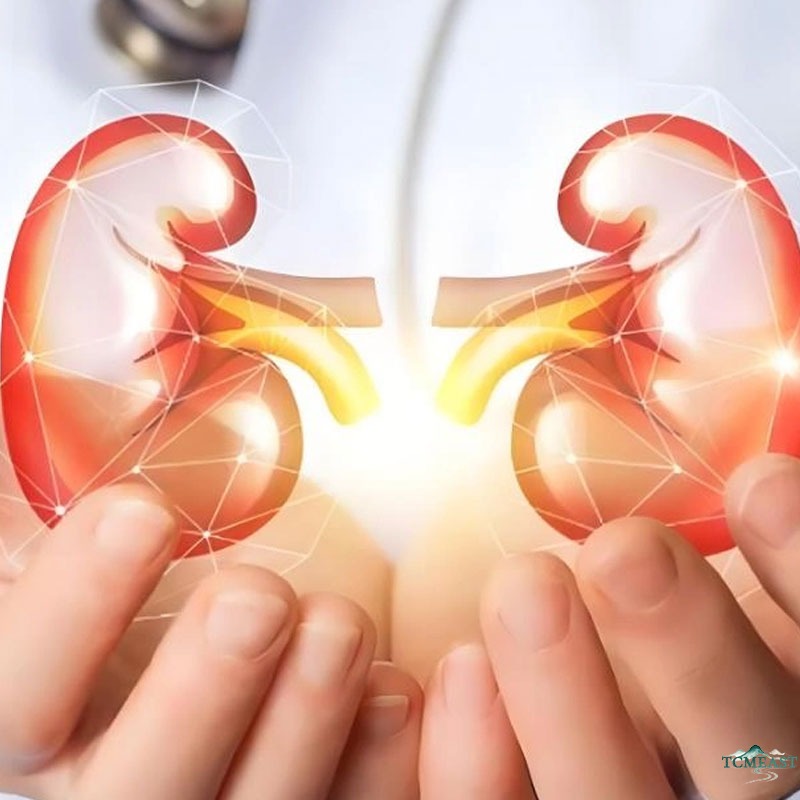
Kidney Health in TCM: Understanding Kidney Essence and Kidney Qi
The Kidney in TCM is far more than an organ — it stores your deepest constitutional energy. Learn the difference between Kidney yin, yang, and qi, the signs of Kidney deficiency, and how to support this vital system.
TCM for Hormonal Balance: Herbs and Acupressure for Women
Learn how Traditional Chinese Medicine approaches hormonal balance in women — from regulating the menstrual cycle to calming hormonal acne and PMS. Key herbs, acupressure points, and dietary wisdom included.
TCM for Poor Circulation and Cold Extremities
Cold hands and feet are a common sign of yang deficiency or blood stagnation in TCM. Learn warming herbs that improve circulation, acupressure points that warm the extremities, and dietary changes that build internal warmth.
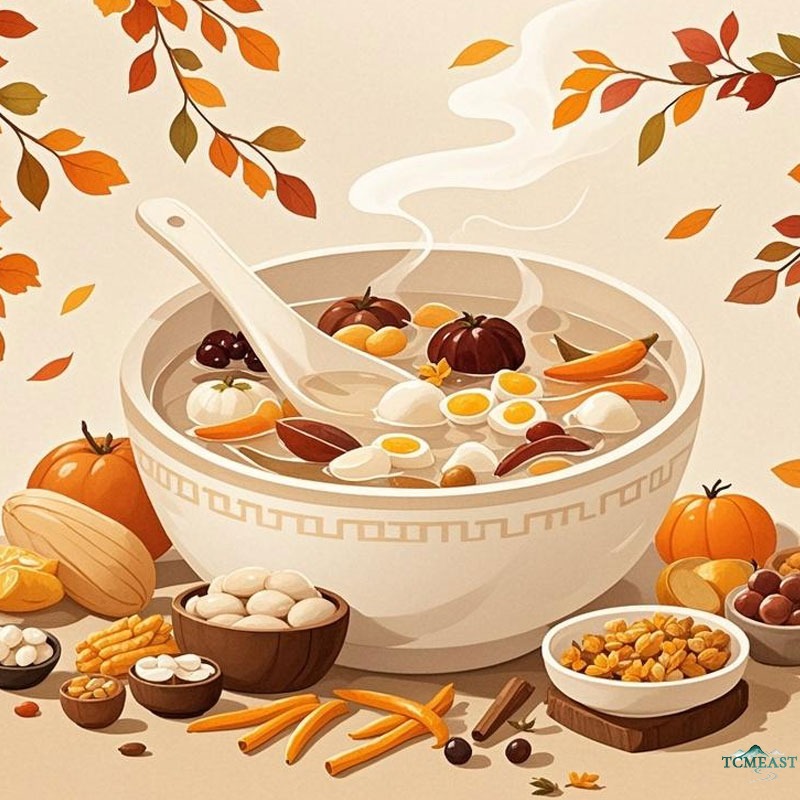
Autumn Health in TCM: Preparing for the Season of Metal
As summer heat gives way to autumn dryness, TCM offers a complete seasonal transition guide. Learn how to support your Lungs, protect your immune system, and adjust your diet for the Metal season.
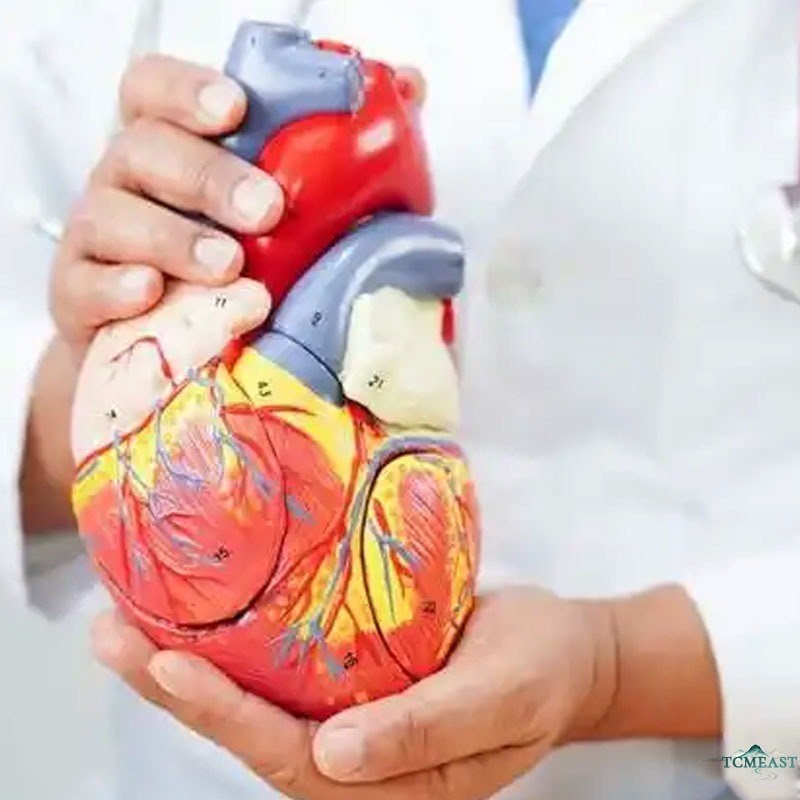
Heart Health in Summer: TCM Fire Season Guide
In TCM, summer is the season of the Fire element and the Heart. Learn how to support your cardiovascular system during the hottest months with cooling herbs, heart-nourishing acupressure points, and dietary wisdom aligned with the summer season.
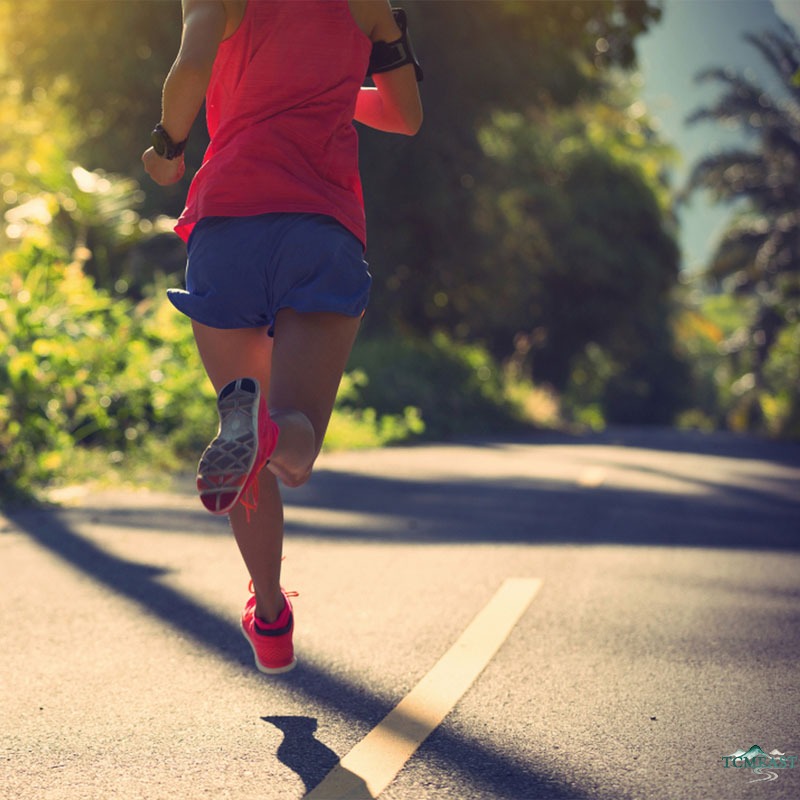
Summer Exercise: How to Stay Active Without Overheating (TCM Approach)
Exercise is essential in summer but TCM warns against excessive sweating that depletes qi and yin. Learn how to stay active during hot weather with the right types of movement, timing, and recovery practices.
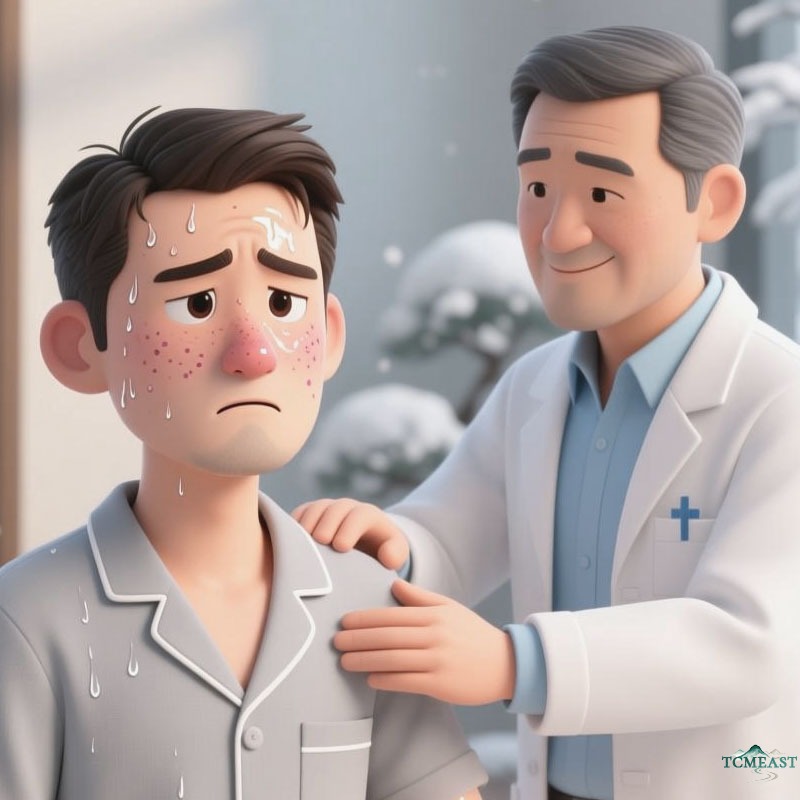
Damp-Heat: Why You Feel Heavy and Sluggish in Summer
If you feel heavy, bloated, and mentally foggy during summer, you may be experiencing damp-heat 鈥?a classic TCM pattern that peaks in humid weather. Learn how to identify it, clear it with herbs, and prevent it with food choices.
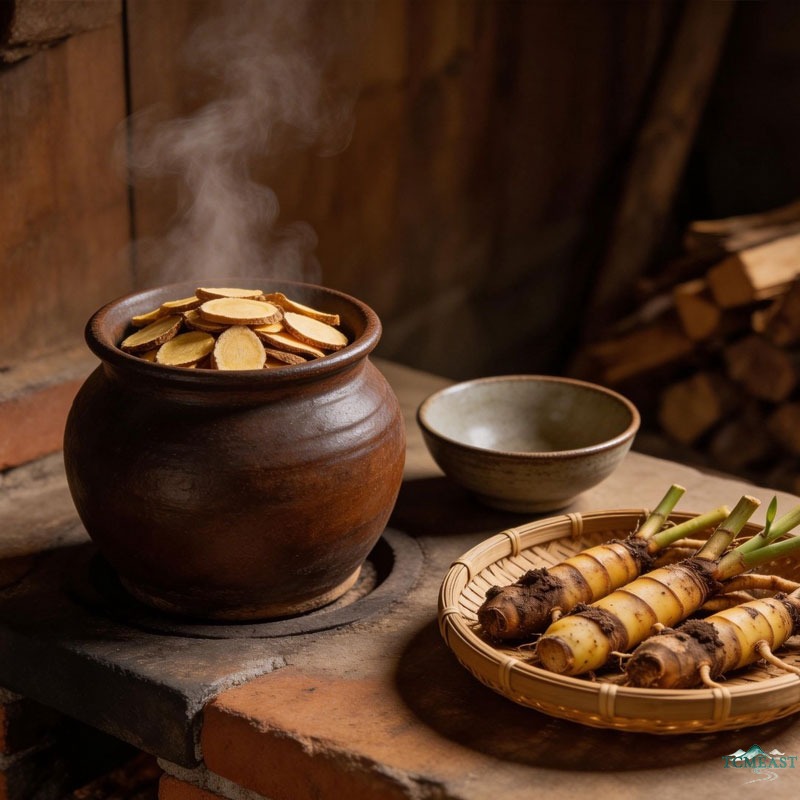
TCM for Long COVID & Post-Viral Recovery: Herbs, Acupressure & Rebuilding Qi
A complete guide to recovering from long COVID and post-viral fatigue with Traditional Chinese Medicine. Herbs to rebuild Lung qi, acupressure points for lingering fatigue, and dietary support for respiratory recovery.
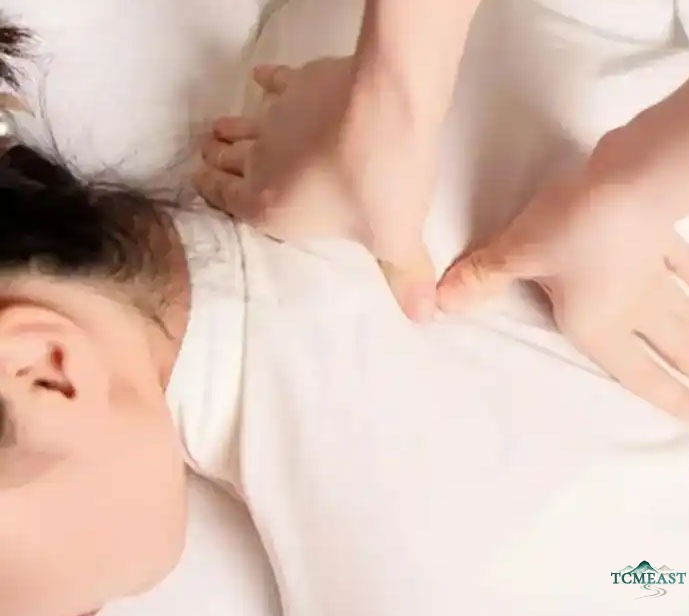
Massage Therapy: A Guide to Common Manipulation Techniques
Massage uses pushing, kneading, pressing, tapping, and rolling techniques to relieve pain, reduce swelling, improve circulation, and regulate nerve function. Learn the key manipulations and their therapeutic effects.
Blood-Pricking Therapy: TCM Bloodletting to Expel Pathogens & Harmonize Qi
Blood-pricking therapy removes pathogens via bloodletting to balance yin-yang and restore zheng qi. Covers seven techniques, indications, and contraindications for heat and excess patterns.
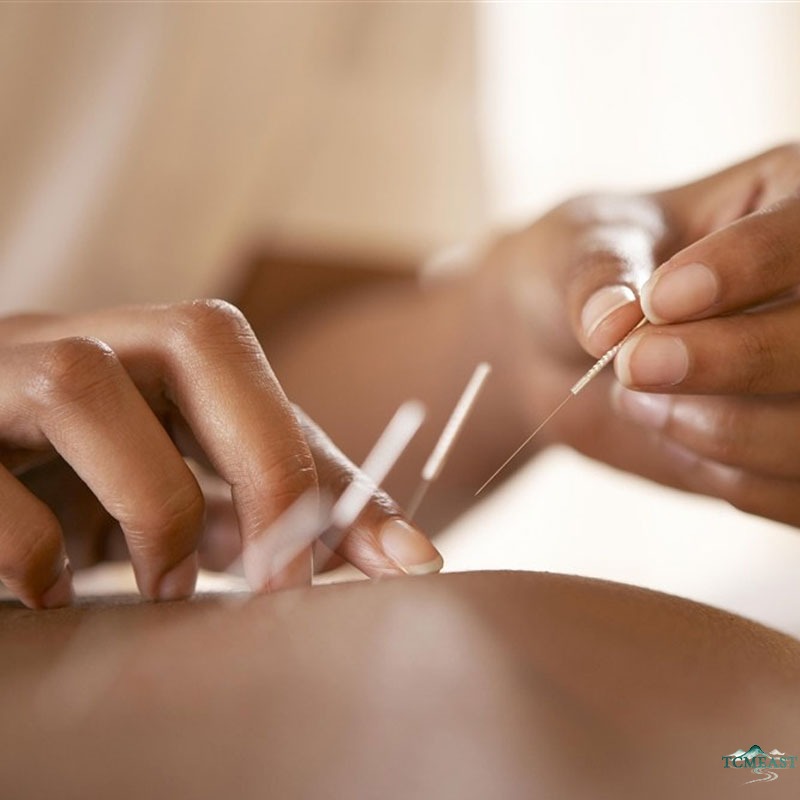
Acupuncture Therapy
Acupuncture therapy, guided by TCM theory, uses filiform needles to stimulate acupoints for disease prevention and treatment, characterized by broad indications, ease of operation, and economic safety. This article systematically presents the complete procedural standards from needle selection, patient positioning, and point disinfection to insertion techniques (pinching, stretching, lifting-pinching), manipulation and retention, and withdrawal, along with a detailed list of contraindications and the prevention and management of abnormal events such as needle fainting, stuck needles, and bent needles — a practical guide to standardized needling practice.
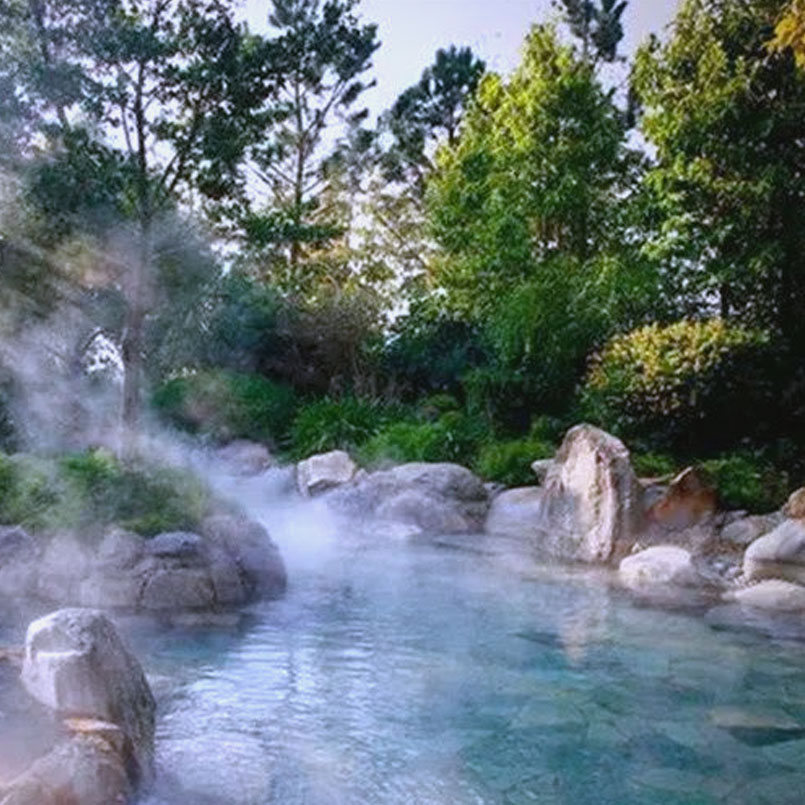
Hot Spring Therapy
Hot spring therapy utilizes the combined chemical (ions, trace elements, radioactive substances) and physical (temperature, hydrostatic pressure, buoyancy, micro-particle massage) effects of mineral water to regulate the nervous system and improve circulation. This article details the characteristics and indications of 11 types of therapeutic springs, systematically explains bathing, drinking, gargling, and inhalation therapy methods, and highlights key contraindications and precautions — a practical guide for safe spa therapy application.
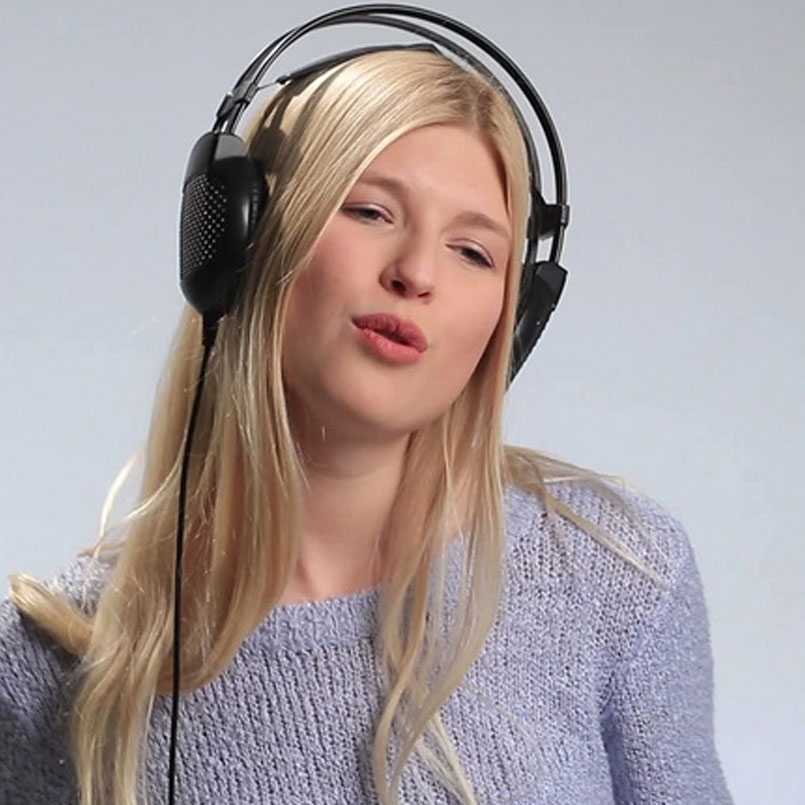
Music Therapy
Music therapy is grounded in the TCM principle of “stirring the blood vessels and unblocking the spirit” and the modern understanding of neuro-endocrine regulation. Through specific melodies that balance the body's yin and yang, it improves mood and physiological function. This article details personalized music selection strategies for conditions including depression, irritability, pessimism, memory decline, hypertension, and childbirth, illustrating how music achieves holistic mind-body regulation.
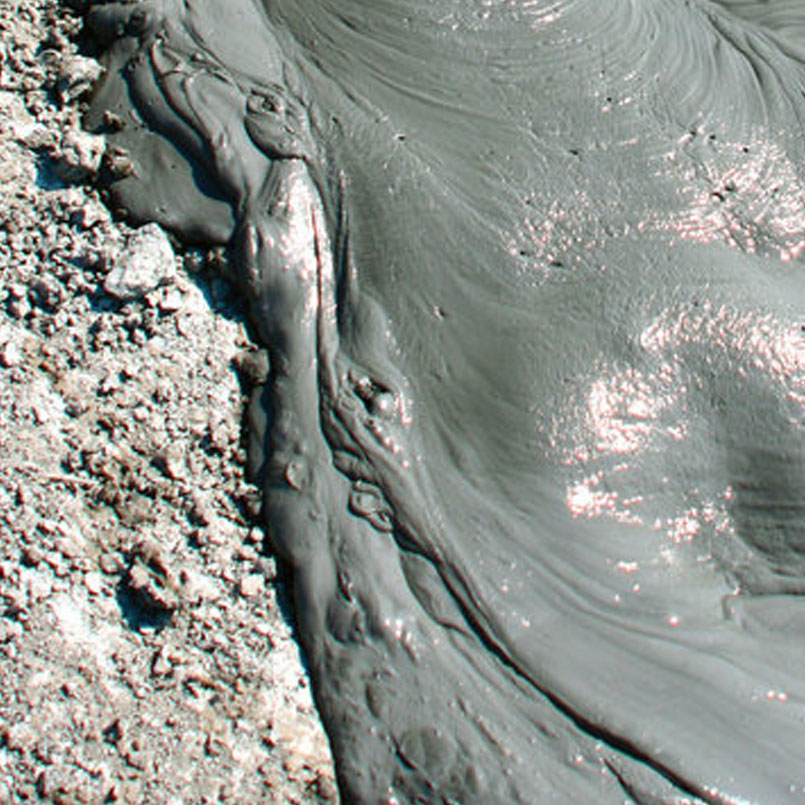
Mud and Sand Therapy
Mud and sand therapy combines mud therapy and sand therapy, rooted in the TCM theory that “the spleen corresponds to the earth element; like attracts like in qi.” This article explains the principle of applying various therapeutic earths to overcome dampness and tonify the spleen, introduces common medicinal clays such as hot spring mud, well mud, and stove earth, and describes the dual thermal and massage effects of hot sand burial therapy — a distinctive external treatment within naturopathy.

Forest Therapy
Forest therapy harnesses six major medicinal effects of forests — oxygen production, sound absorption, nervous system calming, air purification, pathogen sterilization, and climate regulation. This article details the practice of forest bathing (best from May to October, progressing from 15 to 60-90 minutes, divided into static and dynamic types) and lists its indications, including chronic respiratory and cardiovascular conditions.
Cold Compress Therapy
Cold compress therapy uses low-temperature stimulation to induce local vasoconstriction, achieving heat dissipation, pain relief, hemostasis, and swelling reduction. This article details the correct application method (approximately 20 minutes per session with periodic replacement), key indications, and crucially outlines six contraindications (including inflamed, swollen areas and the precordial region) and six precautions (monitoring skin response, avoiding circulatory impairment in extremities, strict sterilization, etc.) — a practical guide for safe cold compress use.

The Scope of Naturopathic Therapies
A systematic introduction to the core modalities of naturopathy: from foundational nutrition therapy and phytotherapy to distinctive approaches such as homeopathy, acupuncture, hydrotherapy, and physical therapy, plus psychological counseling and emerging therapies like color, forest, and music therapy. This article comprehensively explains how these non-pharmacological methods promote health and treat disease by activating the body's self-healing capacity and adjusting lifestyle.
