
Demystifying TCM
What Is TCM Health Preservation (Yangsheng)?
TCM health preservation (Yangsheng) is a systematic medical practice guided by traditional Chinese medicine theory. Following the natural laws of yin-yang, the five elements, and the four seasons, it employs diverse methods including dietary therapy, herbal nourishment, acupuncture, tuina, and Qigong to nourish life, strengthen constitution, prevent disease, and achieve longevity. At its core lies the cultivation of the three vital treasures — Jing (essence), Qi (vital energy), and Shen (spirit) — pursuing the harmonious state of unity between man and nature, balance of yin and yang, and integration of body and mind. TCM health preservation is not only a comprehensive system of self-care but also the crystallization of ancient Chinese wisdom in understanding and nurturing life itself.
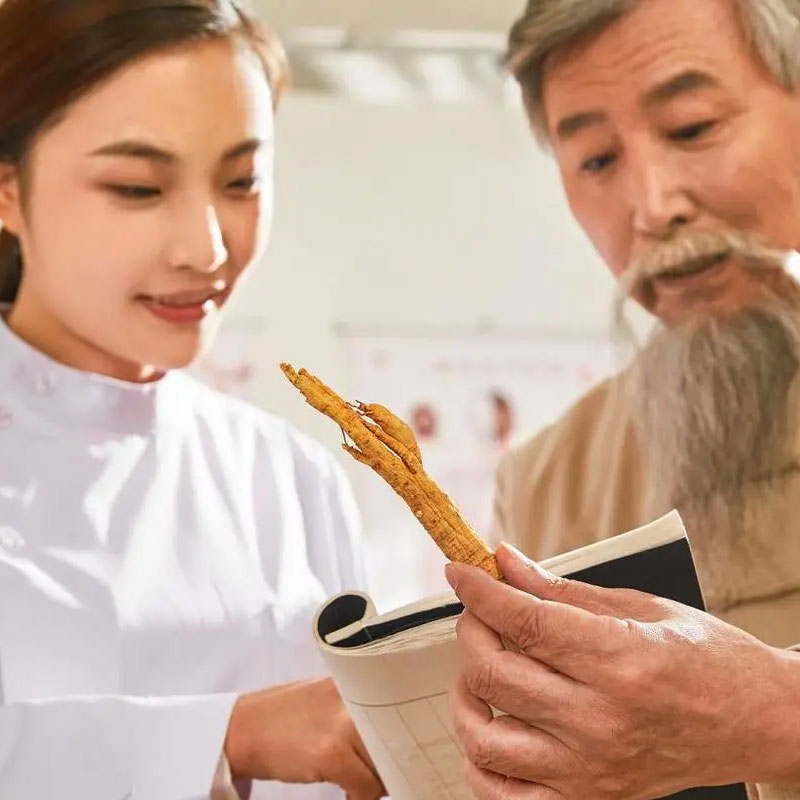
TCM health preservation, or Yangsheng, refers to a comprehensive medical and lifestyle practice that utilizes various methods to nourish life, strengthen the body's constitution, prevent disease, and thereby achieve longevity and well-being. The character sheng (生) means life, existence, and growth; yang (养) means to care for, regulate, and supplement. Together, Yangsheng ultimately means “to nurture and preserve life.” Guided by traditional Chinese medical theory, it follows the natural laws of yin-yang, the five elements, and the cyclical rhythms of generation, growth, harvest, and storage, applying scientific regulation to the human body to maintain health and vitality.
Spiritual cultivation is a key aspect of Yangsheng. It involves nourishing the heart-mind, regulating the emotions and mental states, and enriching one's daily life, thereby achieving the goals of preserving the body, reducing illness, enhancing health, and prolonging life.
Traditional Chinese health preservation places great emphasis on the relationship between humans and the natural world. It holds that people should follow the rhythms of the natural environment and the changes of the four seasons, proactively adjusting themselves to maintain balance with nature and prevent the invasion of external pathogenic factors. The I Ching (Book of Changes) states: “The alternation of yin and yang constitutes the Dao”; “There is no greater model than heaven and earth; there is no greater adaptability than the four seasons.” The Dao De Jing of Laozi declares, “The Dao follows what is natural.” These principles form the fundamental requirements of TCM health preservation.
TCM Yangsheng is a treasure of traditional Chinese culture, aimed at fostering vitality, preventing disease, and striving for health and longevity. It encompasses a rich and diverse array of techniques, including dietary therapy, herbal nourishment, acupuncture and moxibustion, tuina (therapeutic massage), and Qigong. The ancients believed that the best method of nourishing life is to cultivate one's inner nature, and the best method of cultivating one's nature is to nourish one's essence (Jing). When essence is abundant, it can transform into Qi; when Qi is abundant, it can preserve the Shen (spirit). When Shen is whole, yin and yang are harmonious, the zang-fu organs function in coordination, and qi and blood flow smoothly, thereby ensuring the body's health and strength. Therefore, the preservation of Jing, Qi, and Shen is of paramount importance, forming the very foundation of human health cultivation.
Chinese medicine summarizes the body's most essential material and functional activities into the three treasures: Jing (essence), Qi (vital energy), and Shen (spirit). These are considered the root of life and the three major elements sustaining all life activities. As early as two to three thousand years ago, the I Ching, the Huangdi Neijing (Yellow Emperor's Inner Canon), and the Dao De Jing already contained a remarkably complete set of principles for health cultivation — a treasure trove that remains inexhaustible and worthy of our repeated exploration. The core tenets of TCM health preservation rest upon three great pillars: the unity of man and nature, the balance of yin and yang, and the harmony of body and mind.
