
Demystifying TCM
TCM Yangsheng: A Practical Beginner's Guide to Seasonal Wellness
Yangsheng is usually translated as "nourishing life" or "health preservation." In Traditional Chinese Medicine, it is not one treatment or one strict diet. It is a collection of everyday habits that aim to keep the body, mind and daily rhythm in balance with the seasons.
The 9 Body Constitutions in TCM: Which One Are You?
TCM classifies people into nine body constitution types — each with distinct characteristics, vulnerabilities, and dietary needs. Learn about each type, how to identify your own constitution, and how to balance it through diet and lifestyle.
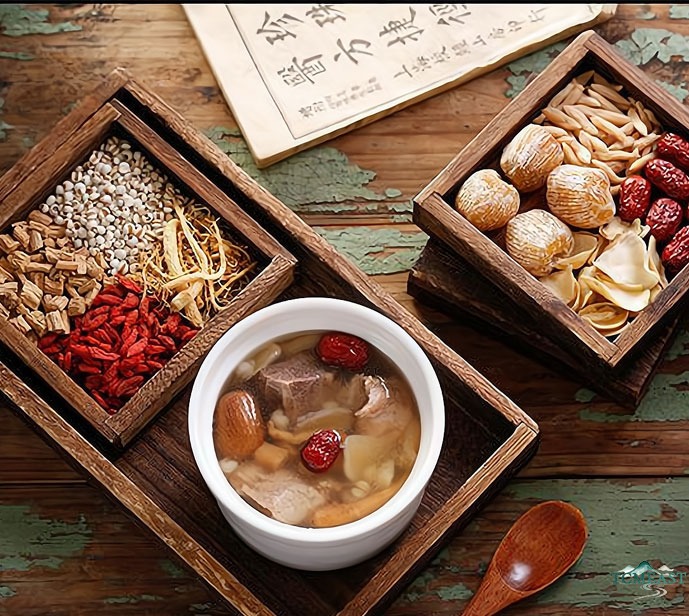
TCM Tonification Theory: Balancing Yin-Yang, Harmonizing Qi-Blood & Nourishing the Five Organs
All TCM tonification methods, from diet to acupuncture, aim to balance yin and yang, harmonize qi and blood, and nourish the five zang organs. Learn the core principles of yin-yang interdependence, qi dynamics, and spleen-kidney foundation.
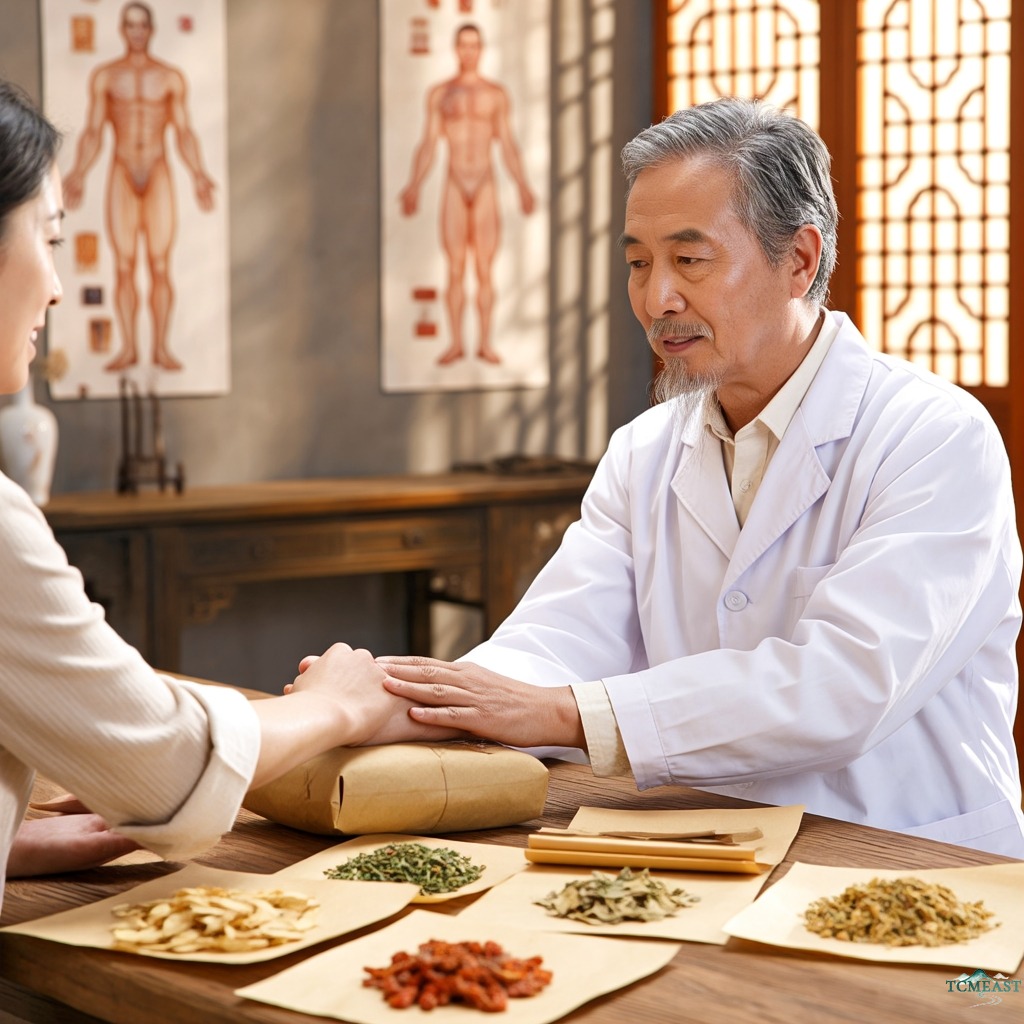
TCM Health Views Guiding Health Preservation
The TCM health view, originating from the Huangdi Neijing, establishes four core concepts: “unity of man and nature” (adapting to seasonal rhythms), “unity of body and spirit” (integrating physical and mental health), “yin and yang in equilibrium” (maintaining homeostatic balance), and “zheng qi as foundation” (strengthening disease resistance and recovery). Together, these form the complete theoretical framework through which Chinese medicine understands health and guides health preservation, remaining highly relevant to daily wellness and disease prevention today.
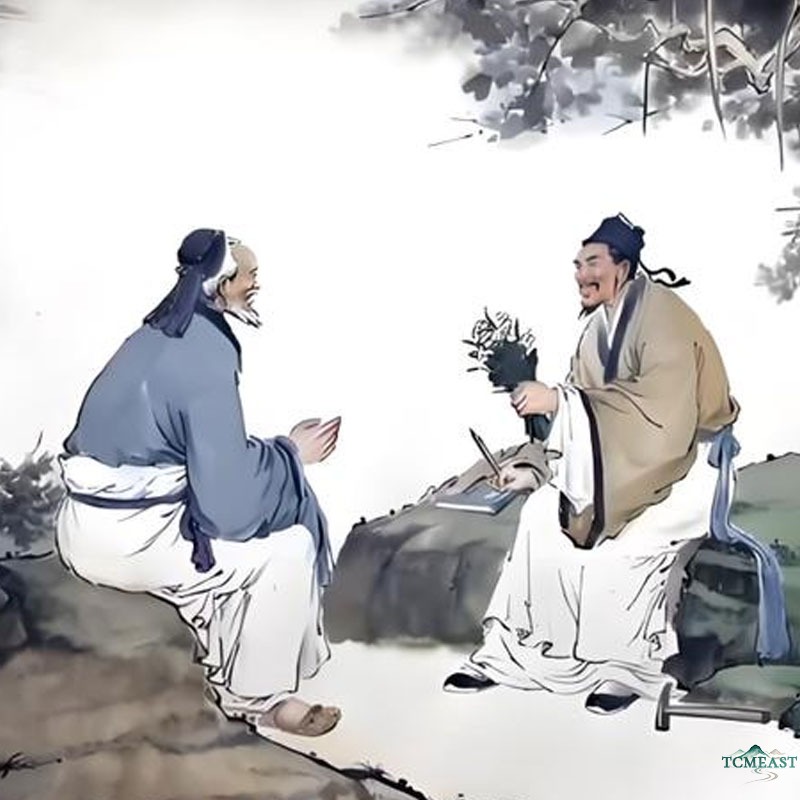
Ancient Chinese Wellness Methods
This article systematically summarizes ancient Chinese health preservation methods, covering ten major aspects: calming the spirit (keeping the spirit clear and balanced), exercise (moderate activities like Five Animal Frolics), diet (grains as staple, five flavors balanced), herbal tonification (differentiated treatment according to seasons and constitution), meridians (stimulating Hegu, Neiguan, Zusanli points), essence preservation (moderating desires to preserve vital essence), seasonal harmony (adapting to climate changes), moral cultivation (doing good deeds to cultivate character), qi regulation (nourishing primordial qi through daily habits), and detoxification (eliminating accumulated toxins in the body). Each method is supported by TCM theory and practical guidance.

15 Daily Wellness Habits for Middle-Aged and Elderly People
This article systematically presents the “15 Daily Wellness Habits” for middle-aged and elderly people, covering head-to-toe self-care: comb hair (refresh the brain and activate blood), rub face (boost energy), roll eyes (protect vision), massage ears (tonify kidneys and improve hearing), tap teeth (promote saliva and strengthen teeth), exercise regularly (prevent muscle atrophy), take various baths, wash feet nightly (calm mind and aid sleep), cultivate qi (smooth energy flow), nourish essence (strengthen kidneys and delay aging), balance nutrition (plant-based with some animal foods), maintain hygiene (prevent disease), laugh often (regulate emotions), nurture the spirit (focus and joy), and stay cheerful (avoid anxiety). Each habit includes specific methods and TCM principles.
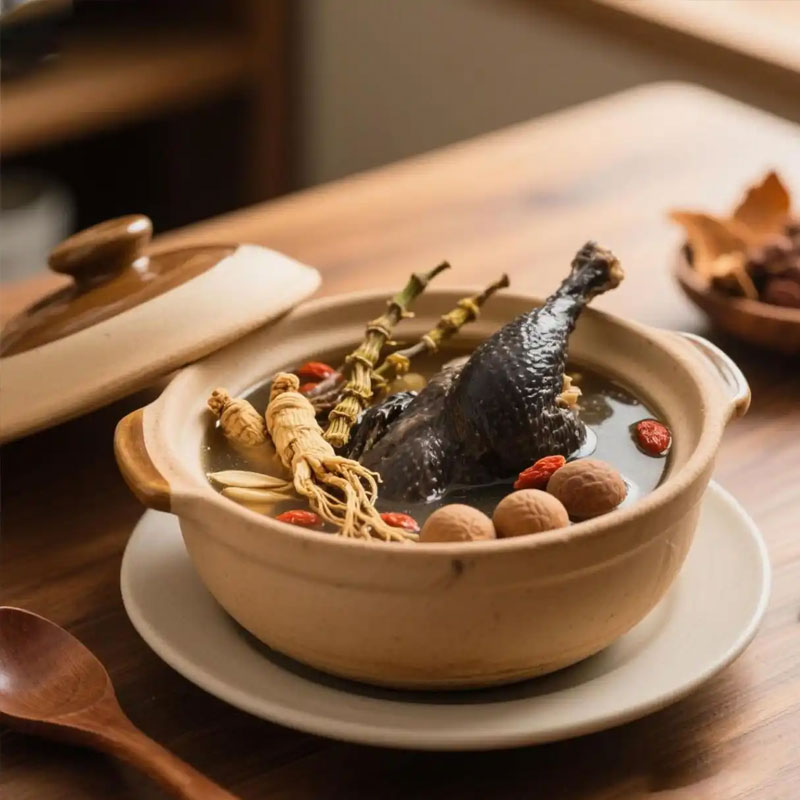
How Should One Take Tonic Supplements in TCM Health Preservation?
TCM supplementation must follow the core principles of “treat deficiency with supplementation, treat excess with drainage” and “pattern-based supplementation” — it is by no means suitable for everyone, nor does a higher price guarantee better effect. This article details the identification and clinical features of the four major deficiency patterns — qi deficiency, blood deficiency, yang deficiency, and yin deficiency — and introduces representative herbs and patent formulas for each: qi tonics (ginseng, astragalus, Si Jun Zi Wan), blood tonics (dang gui, donkey-hide gelatin, Si Wu Wan), yang tonics (deer antler, Jin Kui Shen Qi Wan), and yin tonics (goji berry, Liu Wei Di Huang Wan). It warns against the dangers of blindly taking supplements and advocates a scientific, individualized approach to herbal health cultivation.
Theoretical Foundations of TCM Health Preservation
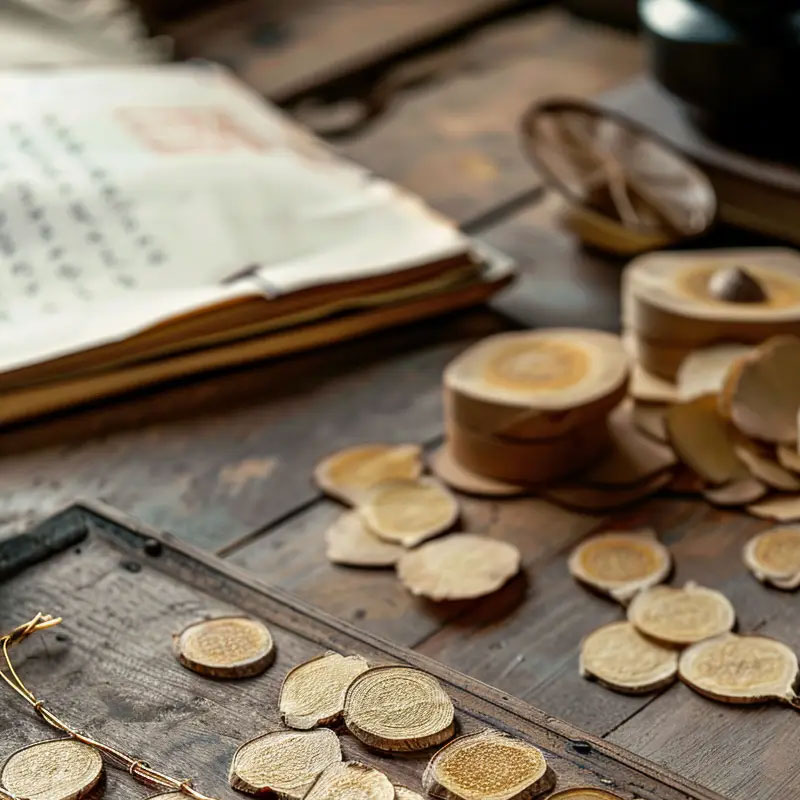
The theoretical foundations of TCM health preservation rest on eight core principles: regulating emotions to nourish the spirit, curbing excessive desires to quiet the mind, moderating sexual activity to preserve kidney essence, adapting to the four seasons to avoid the six climatic excesses, eating and drinking in moderation to protect the spleen and stomach, engaging in regular exercise to promote circulation, according with age-related disposition to gracefully manage aging, and using herbal supplements judiciously to prevent disease. These principles, drawn from classics spanning from the Huangdi Neijing to the works of Tao Hongjing and Sun Simiao, form a systematic framework that cultivates both body and spirit, integrating internal nourishment with external care.
Methods of TCM Health Preservation (Yangsheng)
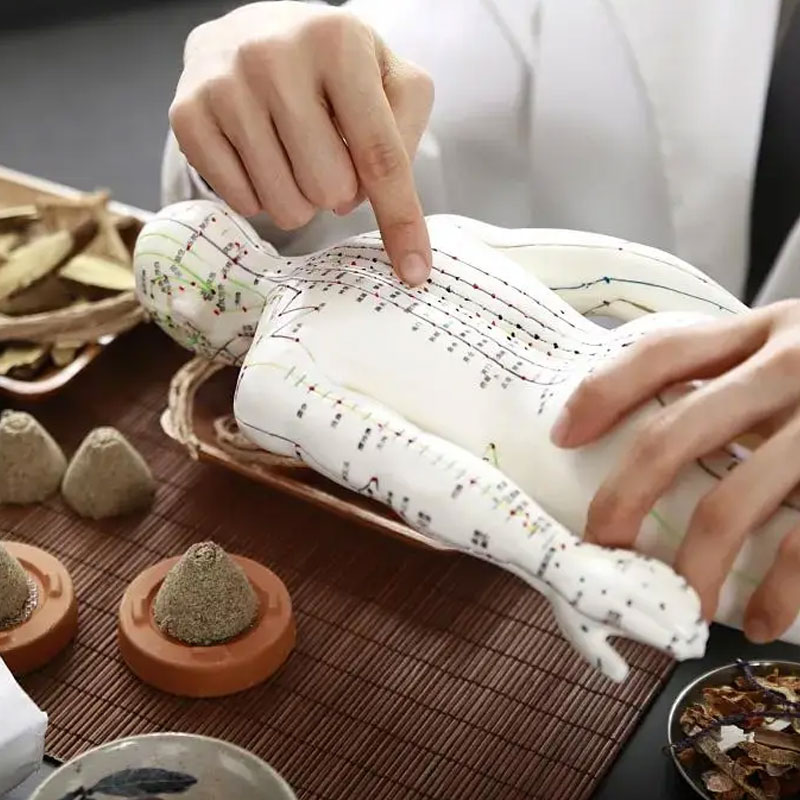
The methods of TCM health preservation prioritize cultivating virtue, encompassing five core dimensions: spiritual cultivation, regular exercise, emotional regulation, balanced diet, and disease prevention. Rooted in the Huangdi Neijing's classic dictum — “Maintain a state of tranquil emptiness; true qi will follow; when the spirit is guarded internally, how can disease arise?” — and enriched by Daoist moral philosophy, the theory of seven emotions causing internal injury, and the wisdom of dietary and herbal nourishment, it forms a systematic approach of cultivating both body and spirit, integrating inner and outer care. This ancient practice offers a time-tested yet scientifically sound pathway for modern individuals to strengthen their constitution and slow the aging process.
What Is TCM Health Preservation (Yangsheng)?
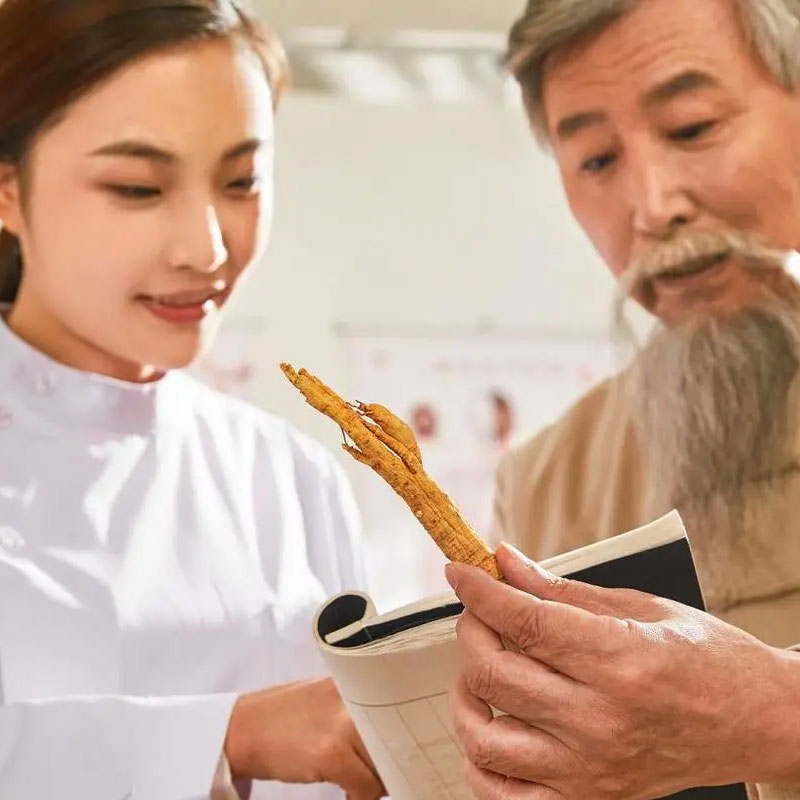
TCM health preservation (Yangsheng) is a systematic medical practice guided by traditional Chinese medicine theory. Following the natural laws of yin-yang, the five elements, and the four seasons, it employs diverse methods including dietary therapy, herbal nourishment, acupuncture, tuina, and Qigong to nourish life, strengthen constitution, prevent disease, and achieve longevity. At its core lies the cultivation of the three vital treasures — Jing (essence), Qi (vital energy), and Shen (spirit) — pursuing the harmonious state of unity between man and nature, balance of yin and yang, and integration of body and mind. TCM health preservation is not only a comprehensive system of self-care but also the crystallization of ancient Chinese wisdom in understanding and nurturing life itself.
"An Nei Rang Wai" (Pacify Within, Repel Without) — How Licorice in Shang Han Lun Inspired a Chinese Idiom
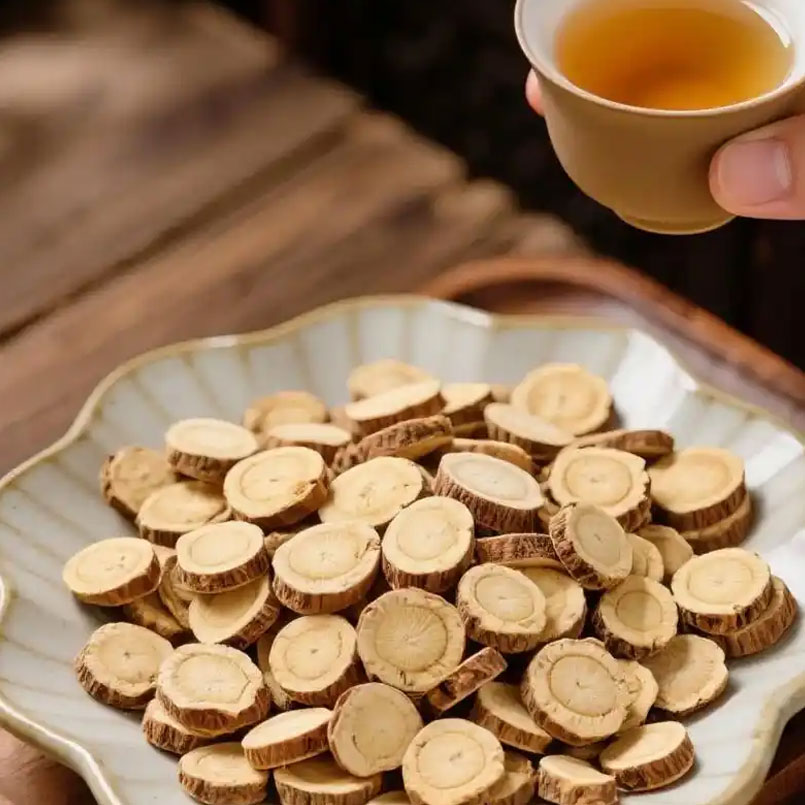
“An Nei Rang Wai” (stabilize the interior to repel external invasion) originates from Zhang Zhongjing’s Shang Han Lun, describing licorice’s ability to fortify the interior while expelling pathogens. This article explores its dual TCM meaning: the therapeutic principle of strengthening zheng qi to eliminate evil, and licorice’s actions of tonifying the spleen, harmonizing medicinals, and more. It also highlights modern findings on licorice’s corticosteroid-like substances and warns against long-term, high-dose use without medical guidance.
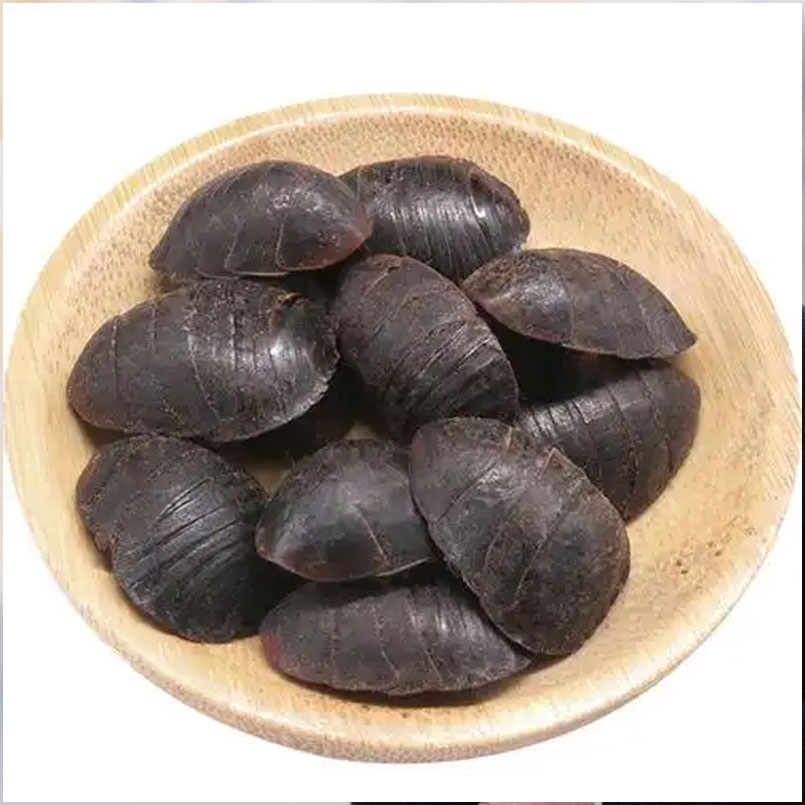
Medicinal Use of Ground Beetle Requires Sex Differentiation
Tubiechong (ground beetle, Eupolyphaga seu Steleophaga) is an insect-based TCM herb first recorded in the Shennong Bencao Jing. This comprehensive guide covers its name origin, species identification (Eupolyphaga sinensis vs. Steleophaga plancyi), differentiation of females (medicinally used) from males, core actions of breaking blood stasis and healing sinews and bones, clinical applications, modern pharmacological research, and the strict contraindication in pregnancy.
