
Demystifying TCM
Methods of TCM Health Preservation (Yangsheng)
The methods of TCM health preservation prioritize cultivating virtue, encompassing five core dimensions: spiritual cultivation, regular exercise, emotional regulation, balanced diet, and disease prevention. Rooted in the Huangdi Neijing's classic dictum — “Maintain a state of tranquil emptiness; true qi will follow; when the spirit is guarded internally, how can disease arise?” — and enriched by Daoist moral philosophy, the theory of seven emotions causing internal injury, and the wisdom of dietary and herbal nourishment, it forms a systematic approach of cultivating both body and spirit, integrating inner and outer care. This ancient practice offers a time-tested yet scientifically sound pathway for modern individuals to strengthen their constitution and slow the aging process.
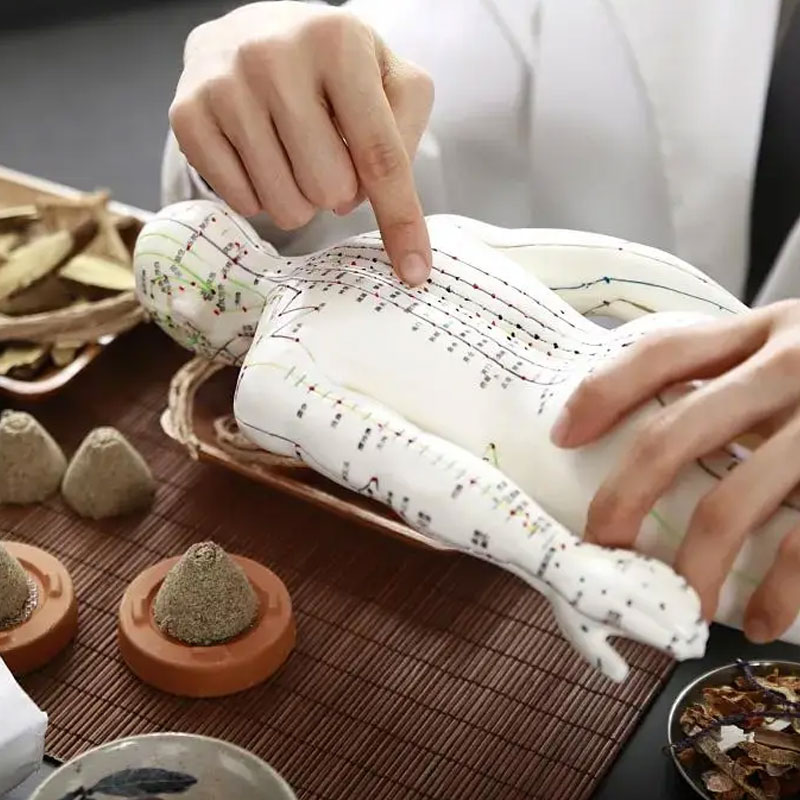
First and foremost, TCM health preservation places great value on cultivating virtue, which is considered the most important condition for achieving health and longevity. TCM has always attached significant importance to mental and spiritual well-being. As early as over two thousand years ago, the medical classic Huangdi Neijing (Yellow Emperor's Inner Canon) stated: “Maintain a state of tranquil emptiness; then true qi will follow. When the spirit is guarded internally, how can disease arise?” This clearly proposes that health preservation should emphasize spiritual cultivation. Daoism likewise stresses that a person should possess such virtues as kindness, loyalty, love, friendliness, benevolence, compassion, and a willingness to help others. These virtues benefit not only the individual but also society at large, and those who embody them are better able to experience joy in life and enjoy health of both body and mind.
The second key factor in health preservation is regular and conscientious physical exercise. Those who are ill need exercise, and those who are not ill also need exercise as a means of prevention. Through physical activity, one achieves the goals of strengthening the body, fortifying the will, promoting digestion and circulation, and enhancing the immune system.
The third point is to maintain mental, emotional, and psychological health. Health preservation requires us to cultivate a healthy spirit and stable emotions, so as to avoid mental extremes, psychological fluctuations, and emotional instability. According to the TCM theory that “anger damages the liver, excessive joy damages the heart, pensiveness damages the spleen, grief damages the lung, and fear damages the kidney,” it is further evident that emotional, mental, and psychological well-being is a crucial link in human health. Among all factors that exert adverse effects on the body, unhealthy emotions are the most capable of shortening a person's life. When a person's mental state is normal, the body's ability to adapt to the environment and resist disease is thereby enhanced, thereby achieving the function of disease prevention.
A healthy and balanced diet is also an essential factor in health preservation. For thousands of years, healthy food and a balanced diet have consistently been recognized as key elements for attaining longevity, while improper dietary habits have been regarded as the root cause of health problems.
Disease prevention is likewise an important component of health preservation. Through regular exercise, the correct use of medicinal substances, appropriate dietary supplementation, and other health-beneficial activities, every individual can achieve the goals of strengthening the body and delaying the aging process.
