
Demystifying TCM
Ancient Chinese Wellness Methods
This article systematically summarizes ancient Chinese health preservation methods, covering ten major aspects: calming the spirit (keeping the spirit clear and balanced), exercise (moderate activities like Five Animal Frolics), diet (grains as staple, five flavors balanced), herbal tonification (differentiated treatment according to seasons and constitution), meridians (stimulating Hegu, Neiguan, Zusanli points), essence preservation (moderating desires to preserve vital essence), seasonal harmony (adapting to climate changes), moral cultivation (doing good deeds to cultivate character), qi regulation (nourishing primordial qi through daily habits), and detoxification (eliminating accumulated toxins in the body). Each method is supported by TCM theory and practical guidance.
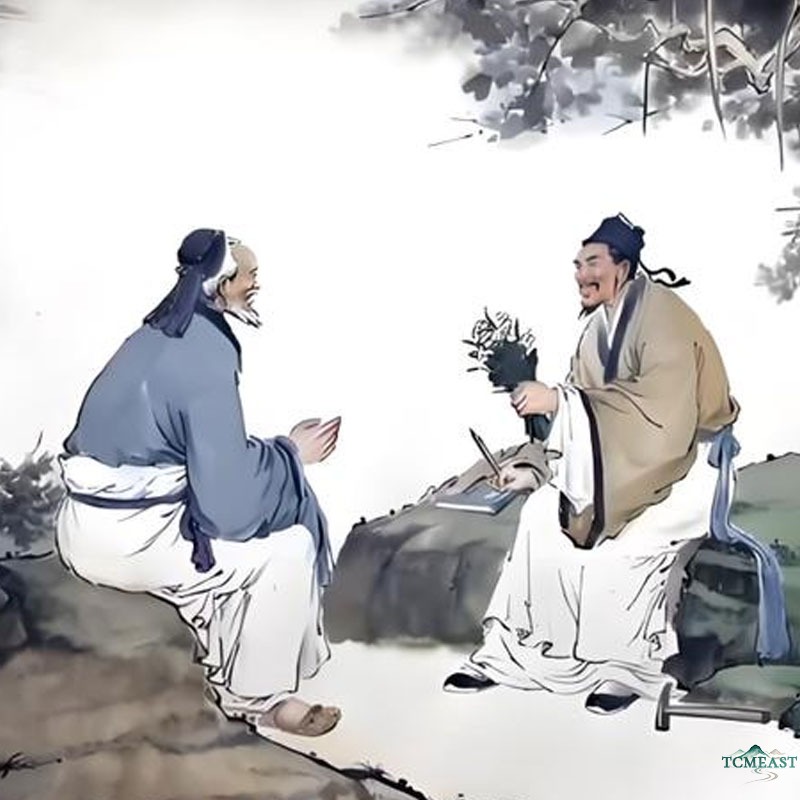
1. Calming the Spirit
Calming the spirit occupies an important position in traditional wellness practices. The ancients believed that the spirit (shen) is the master of life activities. Keeping the spirit clear and calm, and maintaining psychological balance, preserves innate vital energy (yuan qi), harmonizes the five viscera, and helps prevent disease, promote health, and prolong life. Conversely, anger damages the liver, excessive joy damages the heart, excessive rumination damages the spleen, grief damages the lungs, and fear damages the kidneys – thus inducing various physical and mental illnesses.
2. Exercise for the Body
The ancients said, “If one labors physically, a hundred diseases cannot arise”; the poet Lu You stated, “The body needs moderate exertion.” Both indicate that the ancients recognized the positive effects of moderate exercise on health. Through practice, they developed methods such as massage, qigong, tai chi chuan, eight-diagram palm (baguazhang), and five-animal frolics (wuqinxi) to strengthen the body and prolong life. Indulging in comfort, lack of exercise, or overexertion can lead to “strain injuries,” also known as the “five strains causing injury”: prolonged use of eyes harms blood, prolonged lying harms qi, prolonged sitting harms flesh, prolonged standing harms bones, and prolonged walking harms sinews.
3. Diet for Wellness
A reasonable diet regulates essence and qi, corrects imbalances of yin and yang in the viscera, prevents and treats diseases, and prolongs life. The diet should follow the principle: “Grains are the staple; fruits are aids; meats are supplements; vegetables are fillers.” Attention must also be paid to harmonizing the five flavors. Otherwise, nutritional imbalance, constitutional bias, and dysfunction of the viscera may lead to disease.
4. Herbal Tonification
Traditional medicine greatly advocates the use of tonic herbs to regulate yin and yang, supplement the viscera, and nourish essence and blood. Appropriate tonification strengthens the body, prevents disease, and delays aging. Tonification should be based on pattern differentiation, taken in proper dosage, and aligned with the four seasons. For example, lung-tonifying herbs are more suitable in autumn, while warming tonics are more suitable in winter.
5. Meridian Wellness
Meridians form a “network” system throughout the human body, controlling the flow of blood and qi to ensure normal function of all tissues and systems. The “Meridian Chapter” of the Huangdi Neijing (Yellow Emperor’s Inner Canon) states that meridians govern all bodily functions, determining life and death, treating all diseases, and regulating deficiency and excess. Ancient wellness experts believed that unblocking the meridians is an important measure for health preservation. The simplest method is to regularly stimulate, massage, or apply acupuncture to three key acupoints: Hegu (LI4), Neiguan (PC6), and Zusanli (ST36). Hegu prevents and treats facial and sensory organ diseases; Neiguan helps prevent heart disease; Zusanli is effective for diseases of the five viscera and six bowels, especially digestive disorders.
6. Essence Preservation
The ancients believed that essence (jing) and blood are the most essential parts of the body’s nutrients and the material basis of life. Only when the five viscera and six bowels are moistened by essence and blood can they maintain normal function. If sexual desires are unrestrained, excessive loss of essence and blood will weaken the body and shorten life. Excessive sexual activity in women can also lead to kidney qi exhaustion. Measures such as late marriage and birth control to preserve yin essence can prevent its wasteful expenditure and delay aging.
7. Seasonal Harmony
Heaven has four seasons with different climatic changes; all things on earth have the patterns of birth, growth, harvest, and storage; the human body is no exception. The movement of the five viscera, six bowels, yin-yang, qi, and blood should adapt to the four seasons and not go against them. Therefore, the ancients proposed seasonal wellness principles in clothing, diet, housing, and activities. Adjusting one’s lifestyle according to the season helps strengthen the body and prevent disease. Otherwise, going against spring qi easily damages the liver, going against summer qi easily damages the heart, going against autumn qi easily damages the lungs, and going against winter qi easily damages the kidneys.
8. Moral Cultivation
Those who seek health and longevity should first cultivate their character. In daily life, eliminate delusions, speak kind words, and do good deeds. The Tang Dynasty physician Meng Shen said: “If you wish to protect your body and nurture your spirit, never let kind words leave your mouth.” “Speak kind words and also do kind deeds.” Sun Simiao said: “With a sincere heart and upright mind, worries are eliminated; follow reason, cultivate yourself, and banish vexations.” Regularly doing things that benefit others broadens one’s mind and brings emotional stability.
9. Qi Regulation
The body’s primordial qi (yuan qi) has the functions of generating, propelling, and consolidating blood, warming and nourishing all tissues, resisting pathogenic factors, and enhancing visceral function. Many factors – such as nutritional imbalance, improper work-rest patterns, emotional disturbance, and pathogenic attacks – can cause deficiency, sinking, stagnation, or reversal of primordial qi, leading to pathological changes. Qi regulation advocates a series of measures to nourish primordial qi and eliminate disease to prolong life: carefully manage daily routines, follow the four seasons, avoid overwork and excessive leisure, regulate diet and harmonize the five flavors, balance the seven emotions, speak sparingly, and practice breathing techniques.
10. Detoxification
If a person’s emotions – joy, anger – are erratic, it can cause disharmony of yin-yang and qi-blood in the body. Overexertion damages spleen qi. Improper diet generates dampness, heat, and turbid phlegm. Invasion by the six excesses (wind, cold, summer heat, dampness, dryness, fire) or epidemic pathogens leads to various diseases. All these pathogenic factors can be regarded as “toxins” to human health. Therefore, the method of “detoxification” is proposed to preserve true qi. Through dietary regulation, herbal medicine, and other measures, the accumulated toxins in the body are reduced, preventing disease, delaying premature aging, and extending life.
