
The Four Diagnostic Methods
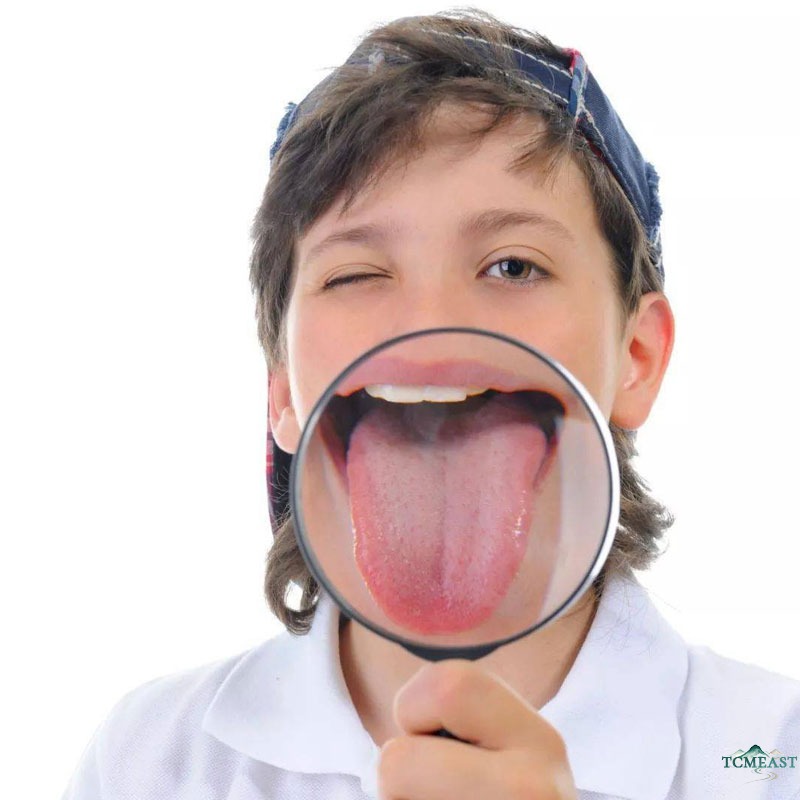
Tongue Diagnosis: A Beginner's Guide to Reading Your Own Tongue
Tongue diagnosis is one of the most accessible TCM diagnostic tools you can learn. This beginner's guide explains what the color, shape, and coating of your tongue reveal about your internal health.
What Are Symptom, Pattern, Disease, and Pattern Differentiation in TCM Diagnostics?
In TCM diagnostics, “symptom” (症) refers to the individual abnormalities felt or observed, serving as the primary basis for analysis. “Pattern” (证) is the essence of a disease stage, revealing etiology, pathogenesis, location, and nature. “Disease” (病) is the entire evolution process with specific laws. “Pattern differentiation” (辨证) is the analytical thinking process that synthesizes clinical data to determine the pattern. These four concepts form the hierarchical and logical core of TCM diagnostic reasoning.
The Main Content of TCM Diagnostics
TCM Diagnostics comprises four major components: diagnostic methods, disease diagnosis, pattern differentiation, and case records. Diagnostic methods, namely the Four Examinations, rest on the principle of “inspecting the exterior to infer the interior,” deducing internal pathology from external signs. Disease diagnosis identifies the specific disease entity. Pattern differentiation, the essence of Chinese medicine, distinguishes the subtle differences among symptoms, patterns, and diseases. Case records provide a written account of clinical management. These four components together form the complete system of TCM diagnostics.
What Is TCM Diagnostics?
TCM Diagnostics is a discipline that studies the basic theories, knowledge, and skills for examining disease conditions and differentiating disease patterns under the guidance of basic TCM theory. Serving as the bridge between foundational theory and clinical specialties, it employs a holistic and dynamic approach, collecting clinical data through the Four Examinations (inspection, listening and smelling, inquiry, and palpation), conducting pattern and disease differentiation, and forming a comprehensive understanding of the patient's condition — thereby providing the basis for clinical prevention and treatment. It is a core course in the TCM professional curriculum.

The Theoretical Basis of Inspection (Wang)
Inspection (Observation) is a fundamental TCM diagnostic method based on visceral manifestation and meridian theory. By examining the vitality, color, form, and posture of the body's exterior, five sense organs, and five body constituents, it infers the state of the internal organs and the dynamics of essence, qi, and spirit. Learn the key correspondences such as the lung governing skin and hair, and how changes in the face, eyes, tongue, and body surface reflect health or disease.
What is Inspection (Wang)?
Inspection (Wang) is the diagnostic method of observing the patient's body shape, facial complexion, tongue body, and tongue coating, and determining the location and nature of the disease based on changes in form and color.
What are the Four Diagnostic Methods?
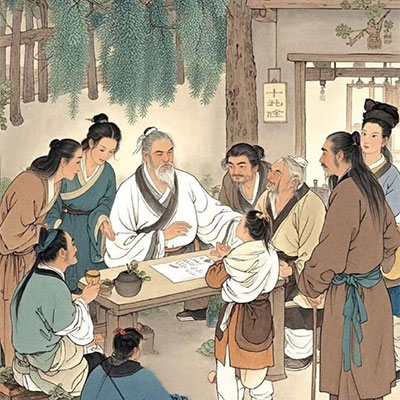
"Wang, wen, wen, qie" is a term in Traditional Chinese Medicine. "Wang" means inspecting the complexion and general appearance; "wen" means listening to the sounds and breathing; "wen" (written with a different character) means inquiring about symptoms; "qie" means palpating the pulse. Collectively, they are called the Four Diagnostic Methods.
