
Healing Library
Licorice Root (Gan Cao) — The Harmonizer
Gan Cao (Licorice), the "State Elder" of TCM, is the most frequently used herb, harmonizing and moderating the actions of entire formulas. Learn the distinct uses of raw vs. honey-fried licorice, its crucial pairing role in classical prescriptions, and important safety precautions.
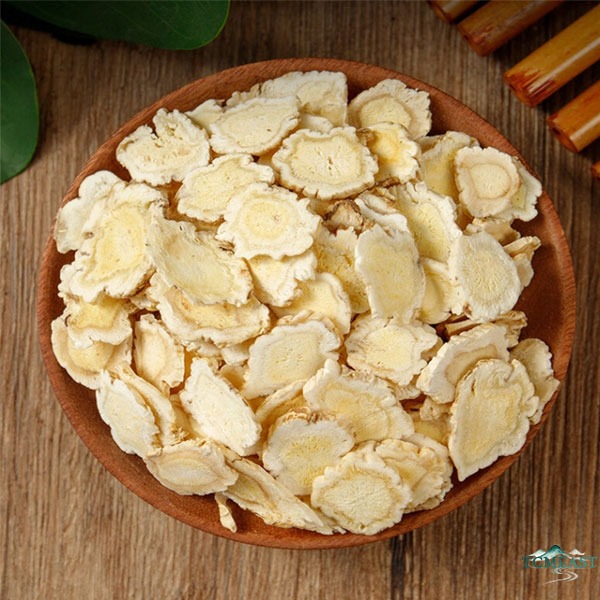
The Most Frequently Used Herb in TCM
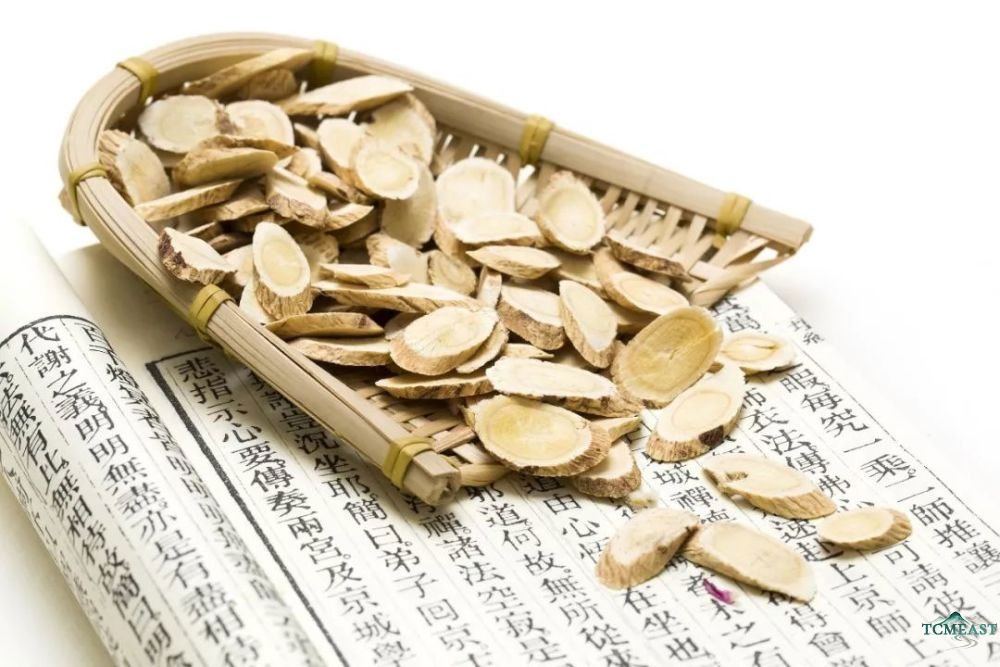
Gan Cao Glycyrrhiza uralensis appears in more than 60% of all TCM formulas. Known as the "national elder" 国老 it is rarely prescribed as a main herb but is almost always present as a harmonizing assistant.
What Is Glycyrrhiza uralensis?
A perennial herb in the Fabaceae pea family. The root and rhizome are used. Two main forms:
- Raw licorice 生甘草: Slightly cool clears heat and detoxifies
- Honey-fried licorice 炙甘草: Warm tonifies Spleen qi and moderates harsh herbs
- Nature: Neutral raw warm honey-fried
- Flavor: Sweet 甘
- Meridians: Heart, Lung, Spleen, Stomach
Actions and Indications
1. Supplement Spleen Qi and Tonify the Middle 补脾益气
In honey-fried form it strengthens the Spleen and Stomach in deficiency patterns with fatigue and poor appetite.
2. Clear Heat and Detoxify 清热解毒
Raw form treats sore throat, sores, and food poisoning.
3. Moisten the Lungs and Stop Cough 润肺止咳
Used in cough formulas for its soothing effect on the respiratory tract.
4. Relieve Spasms and Pain 缓急止痛
Famous combination with Bai Shao white peony in Shao Yao Gan Cao Tang for muscle cramps and abdominal pain.
5. Harmonize All Herbs 调和诸药
This is its most important role: it moderates the harsh effects of strong herbs detoxifies toxic herbs and guides all ingredients to work together harmoniously.
Classical Foundation
Shennong Bencao Jing: "Gan Cao governs the five viscera and six bowels, cold and heat, and evil qi. It strengthens sinews and bones, increases strength, and muscle mass."
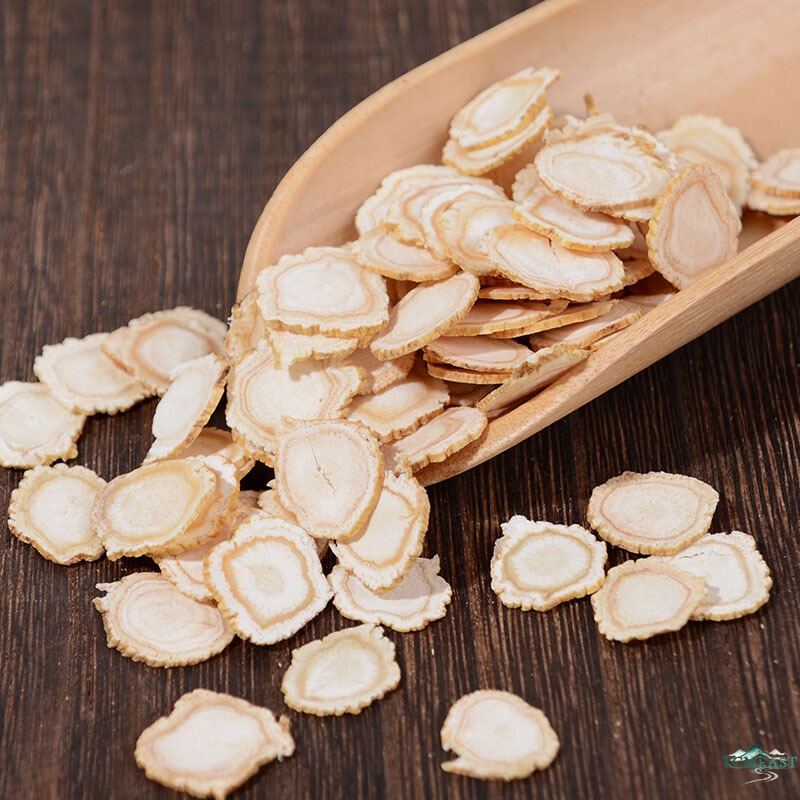
Modern Research
| Compound | Effects |
|---|---|
| Glycyrrhizic acid 甘草酸 | Anti-viral anti-inflammatory hepatoprotective |
| Glycyrrhetinic acid 甘草次酸 | Anti-inflammatory corticosteroid-like |
| Liquiritin 甘草苷 | Antidepressant neuroprotective |
Dosage
| Form | Dose | Notes |
|---|---|---|
| Raw 生甘草 | 2-10g | Heat-clearing detoxification |
| Honey-fried 炙甘草 | 2-10g | Tonifying harmonizing |
Key Combinations
| Pair | Formula | Effect |
|---|---|---|
| Gan Cao + Gui Zhi | Gui Zhi Gan Cao Tang | Warms heart yang |
| Gan Cao + Bai Shao | Shao Yao Gan Cao Tang | Relieves muscle spasms |
| Gan Cao + Ren Shen | Si Jun Zi Tang | Strengthens Spleen qi |
| Gan Cao + Huang Lian | — | Clears heat and detoxifies |
Precautions
- Edema: Long-term large doses may cause water retention
- Hypertension: Glycyrrhizic acid raises blood pressure in susceptible individuals
- Hypokalemia: Risk of potassium depletion with prolonged high doses
- Contraindicated with: Hai Zao, Da Ji, Gan Sui, Yuan Hua (18 incompatible herbs)
