Healing Library
Xi Yuan Ji Lu (Collected Cases of Injustice Rectified) — The World’s Earliest Monograph on Forensic Medicine
Xi Yuan Ji Lu (Collected Cases of Injustice Rectified), written by Song Ci in 1247, is the world’s first systematic monograph on forensic medicine, predating the Italian Fortunato Fedele’s forensic work by 355 years. Comprising four volumes, it covers physiology, pharmacology, diagnosis, treatment, prevention, first aid, and examination, and records early scientific methods such as livor mortis, rescue from hanging, and arsenic detoxification, exerting a profound influence on later generations.
The Song Dynasty “Official Pharmacy Bureau” — The World’s Earliest State Pharmacy Bureau
The Song Dynasty Official Pharmacy Bureau, founded in 1076 in Bianliang (present-day Kaifeng), was the world's earliest state-run pharmacy bureau. Initially called Shu Yao Suo, it was later renamed Yi Yao Hui Min Ju and Yi Yao He Ji Ju. Operated by the government, it specialized in selling ready-made Chinese patent medicines such as pills, powders, extracts, and pellets, and established systems for medicinal procurement and inspection, supervision of patent medicines, and nighttime sales. It created famous medicines such as Suhexiang Wan, Zixue Dan, and Zhibao Dan, exerting a profound influence on the development of Chinese patent medicines.
The Tang “Imperial Medical Office” (Taiyi Shu) — The World’s Earliest Medical School
The Tang Imperial Medical Office, founded in 624 CE, was the world's earliest state-run medical specialty school. It consisted of four parts—administration, teaching, medical treatment, and pharmaceutical work—and offered four major specialties: medicine, acupuncture, massage, and incantation and prohibition. It implemented a strict system of monthly, quarterly, and annual examinations with a nine-year expulsion rule, and maintained a herbal garden for pharmaceutical training. Its system influenced Korea and Japan and predated the Western Salerno Medical School by more than five hundred years.
Ao Shi Shang Han Jin Jing Lu — The World’s Earliest Monograph on Tongue Diagnosis
Ao Shi Shang Han Jin Jing Lu (Ao's Golden Mirror Record of Cold Damage) is the earliest extant monograph on tongue diagnosis in China and the world's first dedicated work on tongue diagnosis. Written by a physician surnamed Ao in the Yuan Dynasty, it was expanded by Du Qingbi to include 36 tongue images and later incorporated by Xue Ji into Xue's Medical Records, allowing it to circulate widely. The book uses tongue color and tongue coating to differentiate cold and heat, deficiency and excess, and provides tongue image illustrations and corresponding formulas. It has exerted a profound influence on later TCM tongue diagnosis and modern Western medical tongue research.
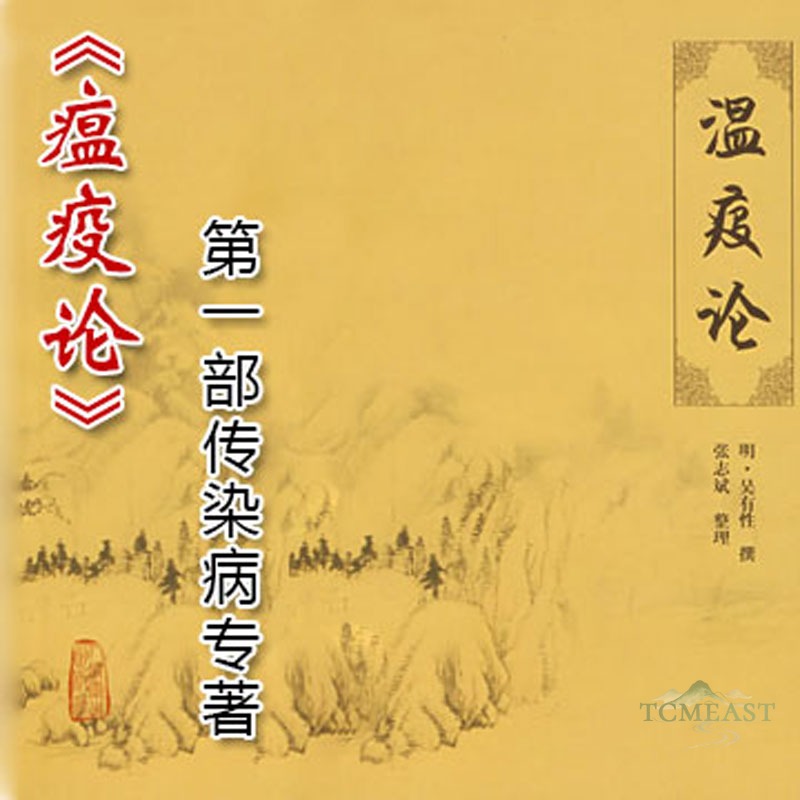
Treatise on Warm Epidemics (Wen Yi Lun) — The First Monograph on Infectious Diseases
The Treatise on Warm Epidemics (Wen Yi Lun), written by Wu Youxing in 1642, is China's first monograph on infectious diseases. It first proposed the theory of "li qi" (virulent qi) as the cause of epidemics, breaking through the traditional six-qi doctrine. It clarified airborne and contact transmission routes, the specificity of epidemic pathogens, and the importance of the body's righteous qi in resisting disease, and created treatments such as Dayuan Yin. The book laid the foundation for the development of the warm disease doctrine and has had a profound influence on the prevention and treatment of infectious diseases in Chinese medicine.
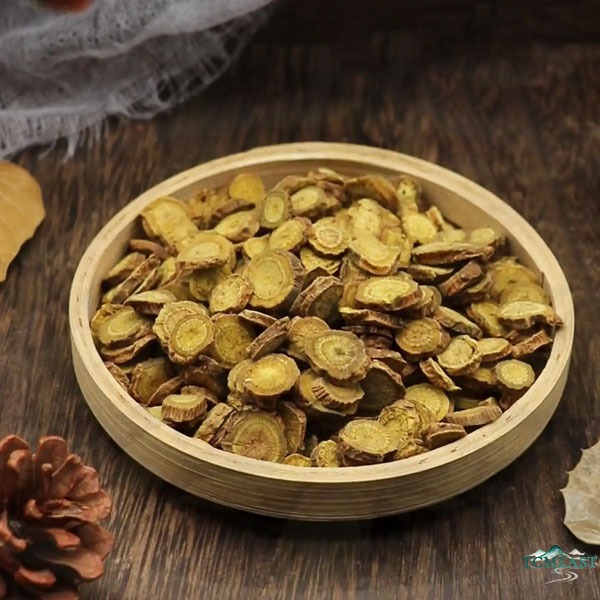
Baical Skullcap (Huang Qin) — The Heat-Clearing Herb with the Deepest Research
Huang Qin (Scutellaria) is a core TCM herb for clearing lung heat and drying intestinal dampness. Explore its classical uses in Xiao Chai Hu Tang, modern research on its anti-inflammatory and antiviral effects, and important safety guidelines.
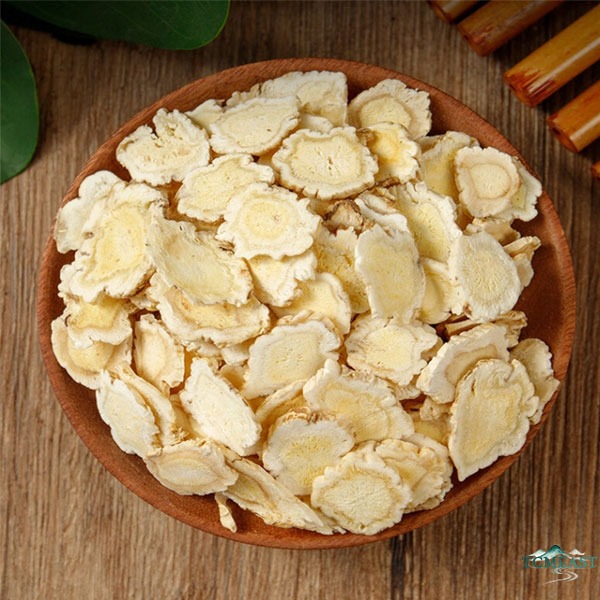
Licorice Root (Gan Cao) — The Harmonizer
Gan Cao (Licorice), the "State Elder" of TCM, is the most frequently used herb, harmonizing and moderating the actions of entire formulas. Learn the distinct uses of raw vs. honey-fried licorice, its crucial pairing role in classical prescriptions, and important safety precautions.
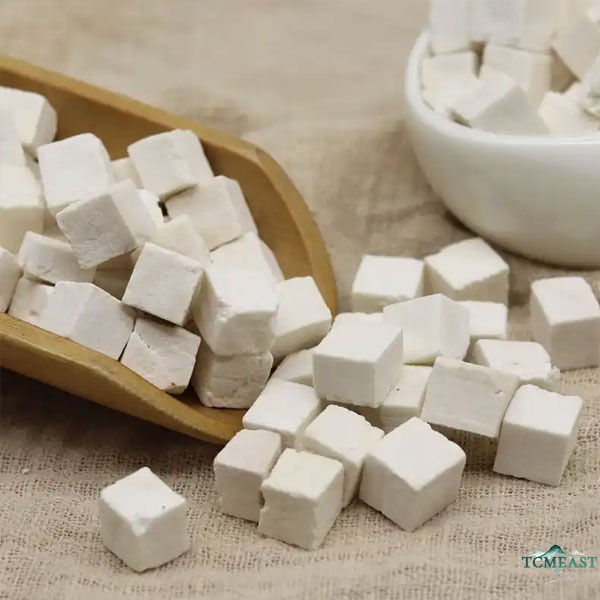
Poria (Fu Ling) — The Gentle Water Regulator
Fu Ling (Poria) is one of the most frequently prescribed TCM herbs, gently resolving dampness while preserving zheng qi. Discover its dual role in promoting urination and calming the spirit, classical formula applications, and everyday dietary uses for balanced wellness.
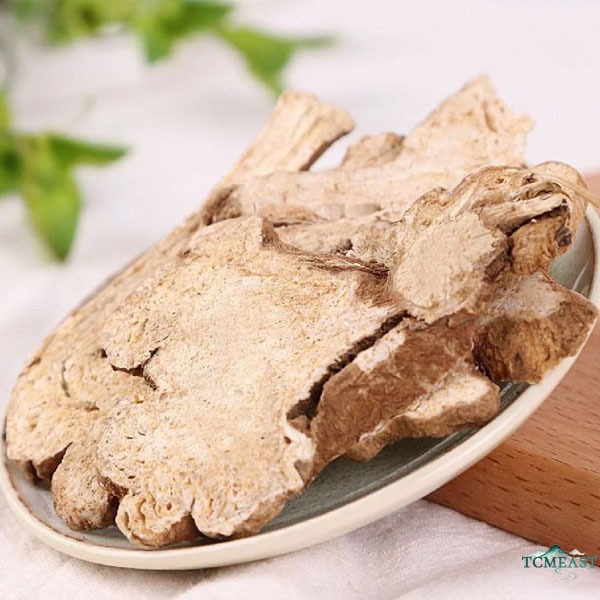
Largehead Atractylodes (Bai Zhu) — The Spleen-Strengthening Workhorse
Bai Zhu (Atractylodes) is the core TCM herb for strengthening the spleen and resolving dampness, targeting digestive qi at its foundation. Explore its traditional uses, classical formulas like Si Jun Zi Tang, modern research, and dietary recipes for digestive wellness.
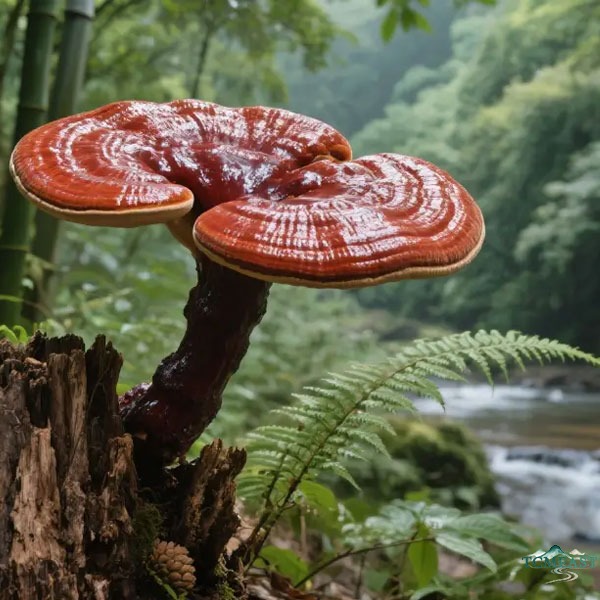
Reishi Mushroom (Ling Zhi) — The Spirit Herb of Immortality
Ling Zhi (Reishi), the "Herb of Immortality," is prized in TCM for tonifying qi and calming the spirit. Beyond the superfood hype, discover its targeted use for insomnia, palpitations, and deficiency-related fatigue, plus modern research insights.
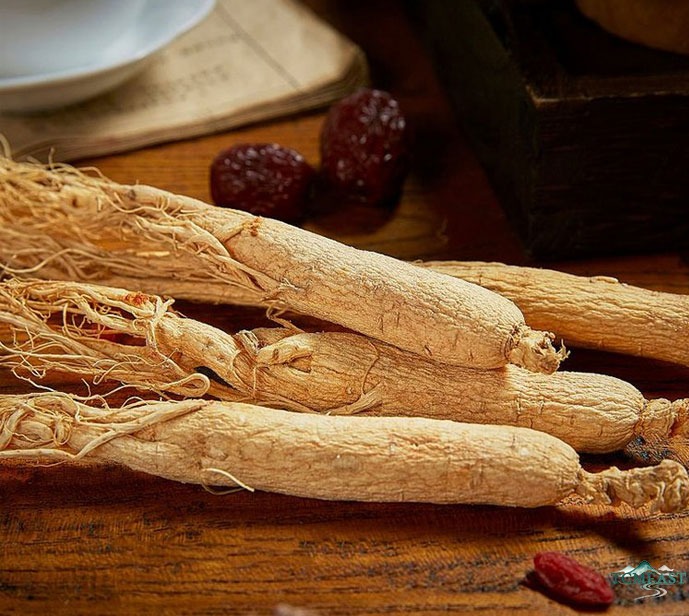
Panax Ginseng (Ren Shen) — The King of Herbs in Traditional Chinese Medicine
Ginseng (Ren Shen), the "King of Herbs," powerfully tonifies original qi and is used from daily wellness to critical care. Explore its classical applications, modern pharmacological research, and important precautions against misuse.
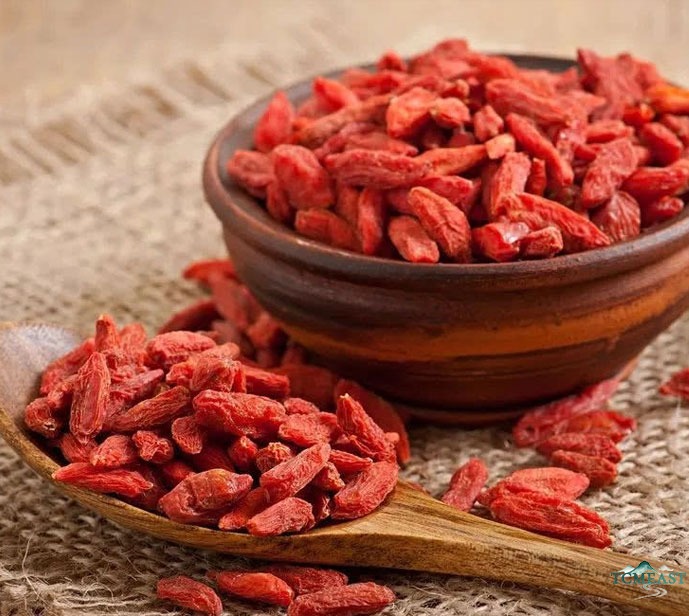
Goji Berry (Gou Qi Zi) — The Vision Berry of Traditional Chinese Medicine
Goji berry (Gou Qi Zi) nourishes the liver and kidney and brightens the eyes, bridging ancient TCM wisdom and the modern superfood trend. Explore its traditional uses, modern research on eye and anti-aging benefits, and simple daily recipes for wellness.
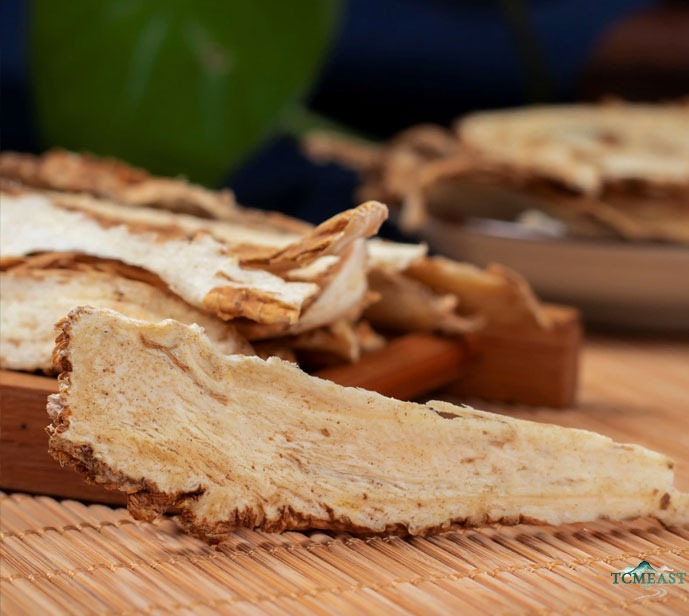
Angelica sinensis (Dang Gui) — The Women's Ginseng
Dang Gui (Angelica sinensis) is the supreme blood-tonifying herb in TCM, uniquely combining blood supplementation with circulation activation. Discover its classical uses for blood deficiency, menstrual disorders, and fatigue, plus modern research and dietary recipes for wellness.
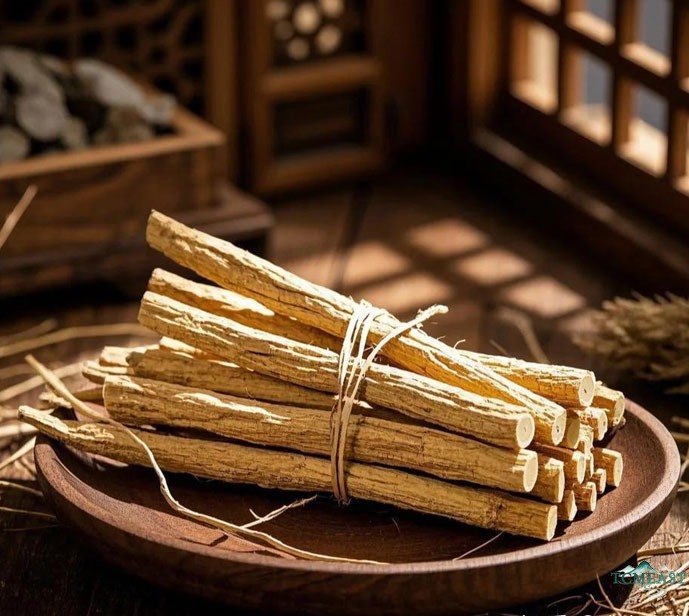
Astragalus membranaceus (Huang Qi) — The Immune Qi Builder
Astragalus (Huang Qi) is the premier TCM herb for tonifying qi, securing the exterior, and boosting immunity and digestion. Explore its benefits, classical formulas like Yu Ping Feng San and Bu Zhong Yi Qi Tang, and modern research — plus tips for daily use in teas and soups.
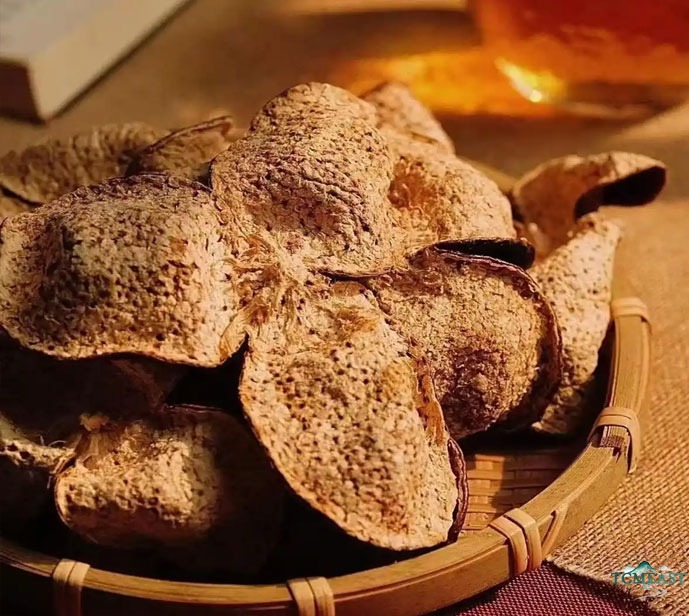
Tangerine Peel (Chen Pi) — The Aged Citrus That Transforms Digestion
Chen Pi (aged tangerine peel) is a prized TCM herb for regulating qi, strengthening the spleen, and resolving damp-phlegm. Learn its benefits, uses, and how to incorporate it into daily teas and soups for digestive wellness.
The Jingxiao Chanbao — The Earliest Extant Monograph on Obstetrics
The Jingxiao Chanbao (Effective Treasury of Obstetrics), also known as the Chanbao, was written by Zan Yin between 847-852 CE during the Tang dynasty. It is the earliest extant monograph on obstetrics in China. In three fascicles, 52 chapters, and 371 formulas, it systematically addresses pregnancy care, miscarriage prevention, difficult labor, and postpartum disorders, emphasizing the regulation of qi and blood and the tonification of the spleen and kidney. Its practical discussions on transverse and breech presentations and emergency management of postpartum fainting preserve the rich obstetric experience and formularies of the pre-Tang era, laying an important foundation for the development of TCM gynecology and obstetrics.
The Wenyi Lun — China's Earliest Monograph on Infectious Diseases
The Wenyi Lun (Treatise on Warm Epidemics), authored by the late Ming physician Wu Youxing (styled Youke) in 1642, is China's first systematic monograph on acute infectious diseases. Breaking free from the traditional "six pathogenic qi" doctrine, it pioneered the theory of "pestilential qi" (li qi) as the cause of epidemics, elucidated that infectious agents enter through the mouth and nose via airborne and contact transmission, and recognized specificity and immunity. It established effective treatments such as Dayuan Yin and urgent purgation methods. This groundbreaking work laid the foundation for the warm disease school and profoundly influenced later masters such as Ye Tianshi and Wu Jutong, remaining clinically significant to this day.
The Zhenjiu Jiayi Jing — The Earliest Monograph on Acupuncture and Moxibustion
The Zhenjiu Jiayi Jing (Systematic Classic of Acupuncture and Moxibustion), compiled by the Western Jin physician Huangfu Mi, is China's first monograph devoted exclusively to acupuncture and moxibustion, holding a landmark position in the history of acupuncture. It systematically discusses zang-fu and meridian theory, records 649 acupoints with 349 names across the body, provides detailed descriptions of their locations, indications, manipulation methods, and contraindications, and corrects previous errors. It became the foundational text for acupuncture education and clinical practice and was designated as the official textbook by the Tang dynasty Imperial Medical Academy.
The Huangdi Neijing — The Earliest Theoretical Classic of Chinese Medicine
The Huangdi Neijing (Yellow Emperor's Inner Canon) is the earliest extant theoretical classic of Chinese medicine and the foremost of the four great TCM classics. Compiled during the Warring States period, it comprises two parts — the Suwen (Basic Questions) and the Lingshu (Spiritual Pivot) — and systematically expounds the theories of yin-yang and the five elements, visceral manifestation, meridians, disease causes and mechanisms, diagnostic methods, treatment principles, and health preservation. It laid the theoretical foundation of Chinese medicine and has remained the fundamental source of TCM development for over two millennia.
The Daoyin Tu (Daoyin Chart) — The World's Earliest Exercise Atlas
The Daoyin Tu (Daoyin Chart), unearthed in 1974 from the Mawangdui Han Tomb No. 3 in Changsha, is a colored silk painting from the late 3rd century BCE — the earliest extant exercise chart in the world. It depicts over 40 male and female daoyin postures spanning four categories: breathing exercises, limb movements, apparatus-assisted exercises, and therapeutic daoyin. Textual annotations refer to the treatment of 12 conditions, including “guiding deafness” and “guiding warm disease,” and show deep historical connections to Hua Tuo's Wuqinxi (Five Animal Frolics). It stands as invaluable evidence of the origins of TCM health cultivation and therapeutic exercise.
The Puji Fang — The Largest Formulary Compendium
The Puji Fang (Prescriptions for Universal Relief), compiled under the direction of Zhu Su, the Prince of Zhou in the early Ming dynasty, and completed in 1406, is the largest formulary compendium in ancient Chinese history, containing 61,739 prescriptions across more than 100 categories. Systematically organized into sections on pulse and formulas, circuit qi, zang-fu organs, physical form, various diseases, gynecology, pediatrics, acupuncture, and materia medica, it represents a monumental synthesis of pre-Ming medical literature, serving as an invaluable trove for clinical practice and scholarly research.
The Shennong Bencao Jing — The Earliest Extant Classic of Chinese Materia Medica
The Shennong Bencao Jing (Divine Farmer's Classic of Materia Medica) is the earliest extant pharmacological classic in China, compiled during the Eastern Han dynasty and attributed to Shennong. It records 365 medicinal substances and pioneered the three-grade classification system. The work systematically expounds the core theories of Chinese pharmacy, including the four natures and five flavors, the sovereign-minister-assistant-envoy principle, and the seven relations of compatibility, establishing the foundation of herbal combination and clinical application. For millennia, it has remained a vital theoretical pillar of Chinese medicine and an authoritative, indispensable reference for clinical practice.
Wuqinxi (Five Animal Frolics) — The Longest-Circulating Health Exercise
Wuqinxi (Five Animal Frolics) is a traditional Chinese biomimetic exercise created by the renowned Eastern Han physician Hua Tuo, mimicking the movements of the tiger, deer, bear, monkey, and bird — characterized by external movement and internal stillness, combining strength with suppleness. This article details its historical origins (first recorded in Tao Hongjing's Yangxing Yanming Lu), the step-by-step breakdown of each animal exercise (tiger pouncing, deer rotating, bear swaying, monkey reaching, bird flying) with breathing coordination, and emphasizes the training principles of whole-body relaxation, focusing the mind on the dantian, and the unity of form and spirit. It is the longest-circulating and most influential daoyin health preservation method in Chinese medicine.
Mafeisan — The World's Earliest Anesthetic
Mafeisan was the world's first general anesthetic, created by the Eastern Han dynasty physician Hua Tuo — predating the use of anesthetics in Europe and America by over 1,600 years. Legend records that Hua Tuo prepared to use Mafeisan to anesthetize Guan Yu for bone-scraping surgery and proposed opening Cao Cao's skull to cure his head-wind condition, but was tragically executed due to mistrust, and the formula was nearly lost. The Huatuo Shenfang (Hua Tuo's Divine Formulas) records its ingredients as Chinese azalea, jasmine root, Chinese angelica, and sweet flag, noting that after ingestion, the patient “could be cut open without feeling pain or itch” — demonstrating that TCM surgery, brain surgery, and anesthesiology had already reached an extraordinarily advanced level.