
Wisdom of TCM
The Theory of Yin-Yang (Yin-Yang Theory)
Yin Yang theory is an ancient Chinese philosophical concept studying the nature and movement patterns of yin and yang, forming the core methodology of TCM. This article details their relationships of opposition, interdependence, waxing-waning balance, and mutual transformation, explaining how they illuminate life activities, pathological changes, and guide diagnosis, treatment, and prevention. As stated in the Lingshu, “Understanding yin and yang resolves confusion and awakens one from stupor.”
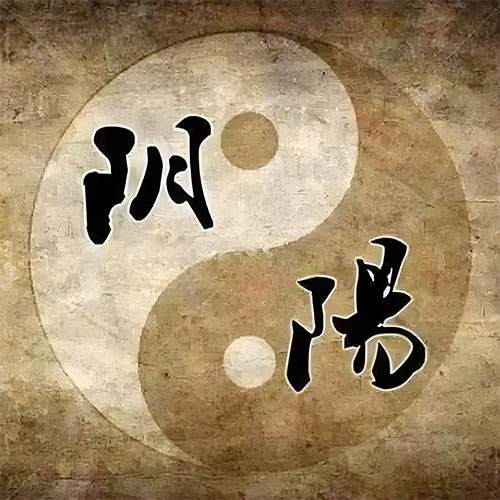
Yin Yang theory is an ancient philosophical theory that studies the connotation of yin and yang and their laws of movement and change, used to explain the genesis, development, and transformation of all phenomena in the universe. It represents a worldview and methodology through which ancient people understood the origin of the cosmos and interpreted cosmic changes, embodying rich dialectical thought. The theory holds that the world is material, and that the material world comes into being, develops, and transforms through the interaction of yin qi and yang qi. The key to understanding the world through yin yang theory lies in analyzing the relationships and changing patterns of yin and yang—two material forces that are both mutually opposed and mutually unified, opposite yet complementary.
Yin Yang theory permeated the medical field and, as a unique mode of thinking in Chinese medicine, influenced the formation and development of TCM theory, becoming an integral component of the TCM theoretical system. It is widely applied in explaining human life activities and pathological changes, and in guiding the diagnosis, treatment, and prevention of diseases. Its significance is truly captured in the words of the Lingshu (Miraculous Pivot), Bing Chuan chapter: "When one is clear about yin and yang, it is like resolving confusion, like awakening from drunkenness." In applying yin yang theory, TCM further developed and enriched it—for instance, by employing a wealth of medical examples to elaborate in detail the relationships of opposition and restriction, interdependence and mutual promotion, waxing and waning equilibrium, and mutual transformation between yin and yang, thereby deepening, refining, and concretizing the abstract philosophical concepts of yin and yang.