
Nutrition & Diet Tips
red goji berries, wild black goji berries, black wolfberry, anthocyanins, OPC, kidney tonifying, anti-aging, beauty benefits, Qaidam Basin goji
Red goji and wild black goji differ significantly in taste, composition, and benefits. Red goji is sweeter and produces a light red infusion; wild black goji is rich in anthocyanins (OPC), which change color from purple to blue depending on water pH, with antioxidant power 20x that of vitamin C and 50x that of vitamin E – giving it superior anti-aging and beauty effects. In terms of minerals, black goji contains far more iron, calcium, magnesium, zinc, and copper than red goji. For kidney tonifying, both are equally effective and require long-term consumption (20–30g daily for at least six months). For quality, black goji from Qinghai‘s Qaidam Basin is best, while red goji from Xinjiang and Gansu is excellent but their black goji is only average.
In terms of taste, red goji berries are more delicious than wild black goji berries – they taste sweeter and have a more pleasant flavor. In terms of infusion color, red goji produces virtually no color when steeped, only a faint reddish tint. Wild black goji, however, contains anthocyanins that display different colors depending on the water used: in alkaline water, anthocyanins appear blue; in neutral water, they appear purple. This striking color change occurs because black goji alters the pH of the hot water during steeping.
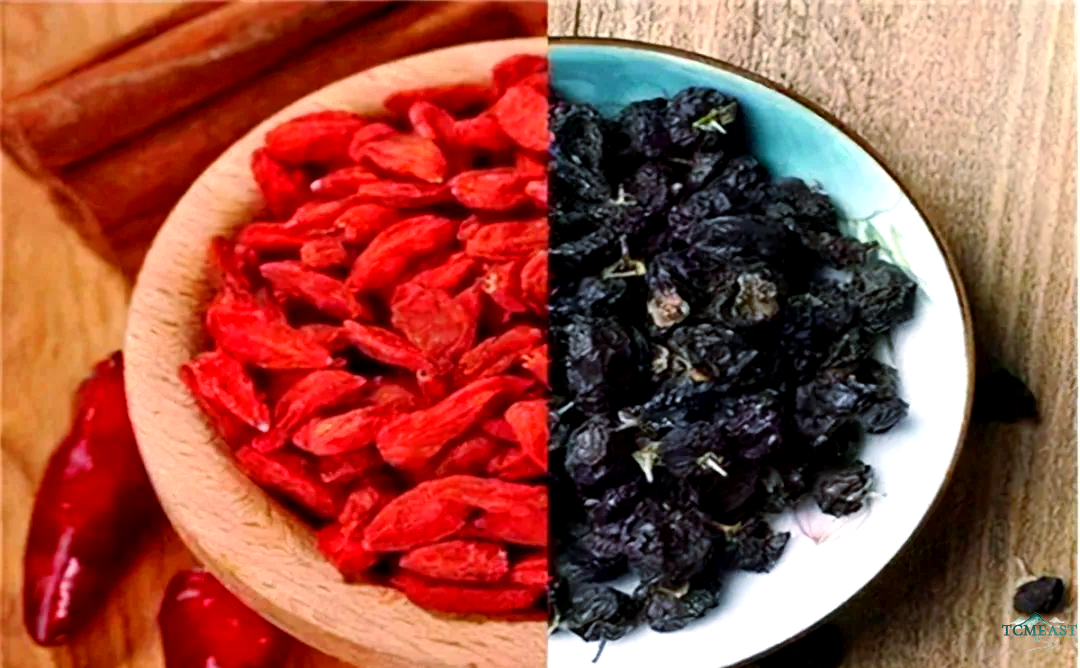
In terms of composition, scientific measurements show that black goji contains far more vitamins and fats than red goji. Elements such as calcium, magnesium, copper, zinc, manganese, iron, lead, nickel, cadmium, cobalt, chromium, potassium, and sodium all play key roles in maintaining normal physiological functions. Compared with red goji, wild black goji has significantly higher levels of iron, calcium, magnesium, zinc, and copper, far lower levels of potassium and manganese, and roughly equivalent sodium content. Moreover, black goji contains unique anthocyanins (OPC) , which are important anti-aging components that effectively combat aging and provide beauty-enhancing benefits.
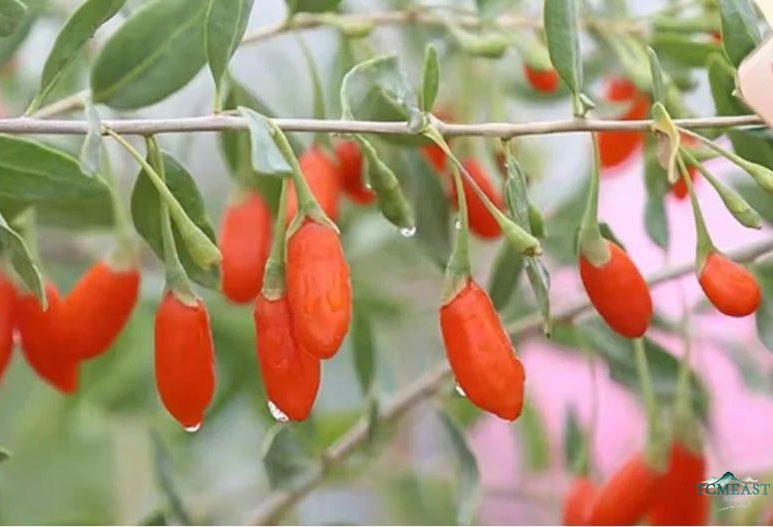
In terms of health benefits, both types of goji can boost immune function, tonify qi and essence, nourish the liver and kidneys, quench thirst, improve sleep, warm the body, and fight tumors. However, wild black goji contains large amounts of anthocyanins – it has the highest OPC content of any known wild plant. OPC is the most effective natural water-soluble free radical scavenger, with potency 20 times that of vitamin C and 50 times that of vitamin E, giving it powerful anti-aging effects that red goji does not possess.
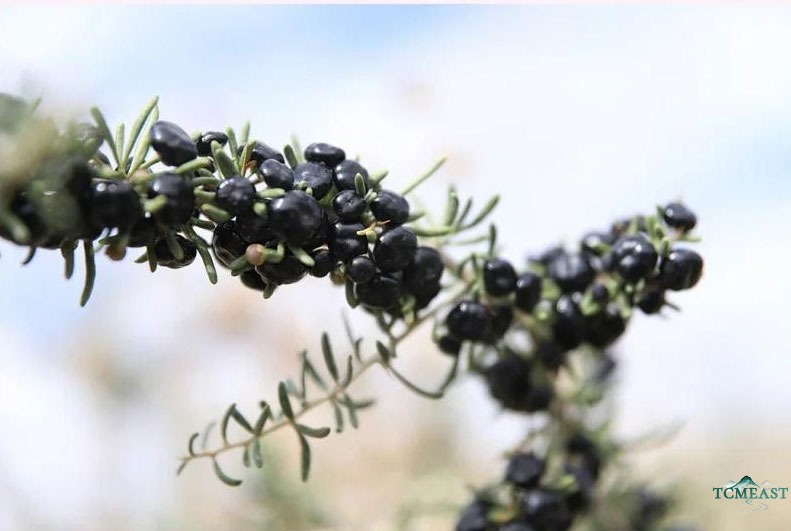
In conclusion: although wild black goji is not as tasty as red goji, its nutritional value is superior. Of course, there are quality differences among black goji berries – one cannot choose blindly. For example, red goji from Xinjiang and Gansu is excellent, but their wild black goji is only average, with lower anthocyanin and nutrient content. Black goji from Qinghai Province, especially from the Qaidam Basin, is of superior quality, with the highest anthocyanin content and the richest nutrition. Premium wild black goji grows in harsh, treacherous environments – only in pristine natural conditions can its quality be guaranteed. Staff explain that each year, during specific periods, they harvest by purely manual methods, with extremely high costs and great rarity.
In terms of kidney-tonifying effects alone, wild black goji and red goji are equally effective. After consuming either type, one can achieve good kidney-tonifying results. If male friends experience premature ejaculation or sexual dysfunction, these conditions can be alleviated by taking goji berries. However, to achieve kidney-tonifying effects through goji, long-term persistence is essential. Generally speaking, one should consume at least 20–30 grams daily; after continuous consumption for six months, noticeable kidney-tonifying results can be seen.
In the process of kidney tonification, goji berries are an indispensable remedy. Since goji is divided into wild black and red varieties, many friends are confused about which one to choose. So, red goji vs wild black goji – which has better kidney-tonifying effects? Which is more nutritious?
1. Both have similar kidney-tonifying effects
In terms of kidney tonification alone, wild black goji and red goji produce the same results. After consuming either, one can achieve good kidney-tonifying effects. If male friends experience premature ejaculation or sexual dysfunction, these can be alleviated by taking goji. However, long-term persistence is required – at least 20–30g daily for six months or more to see results.
2. Wild black goji is more nutritious
The biggest difference between wild black goji and red goji is that black goji is rich in anthocyanins, which red goji lacks. Scientific research shows that anthocyanins are natural antioxidants with excellent free-radical-scavenging and antioxidant effects. After consumption, they provide good beauty-enhancing benefits and can slow aging. Therefore, wild black goji has richer nutritional value than red goji.