
Nutrition & Diet Tips
Longan Tea and Red Date Goji Berry Tea: Traditional TCM Recipes
Longan, red dates and goji berries are common ingredients in Chinese food and traditional wellness culture. They are often combined into warm teas that are simple to prepare at home.
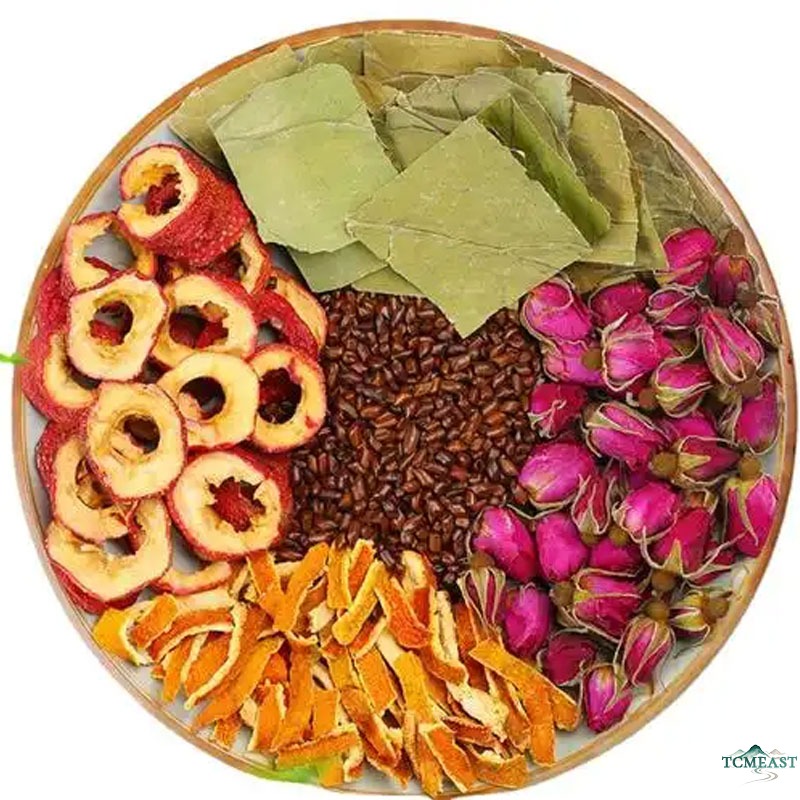
Chinese Herbal Tea: A Complete Guide to Healing Teas
A practical guide to Chinese herbal teas — from goji berry eye tea to chrysanthemum heat-clearing tea. Learn which teas suit your constitution and how to prepare them properly.
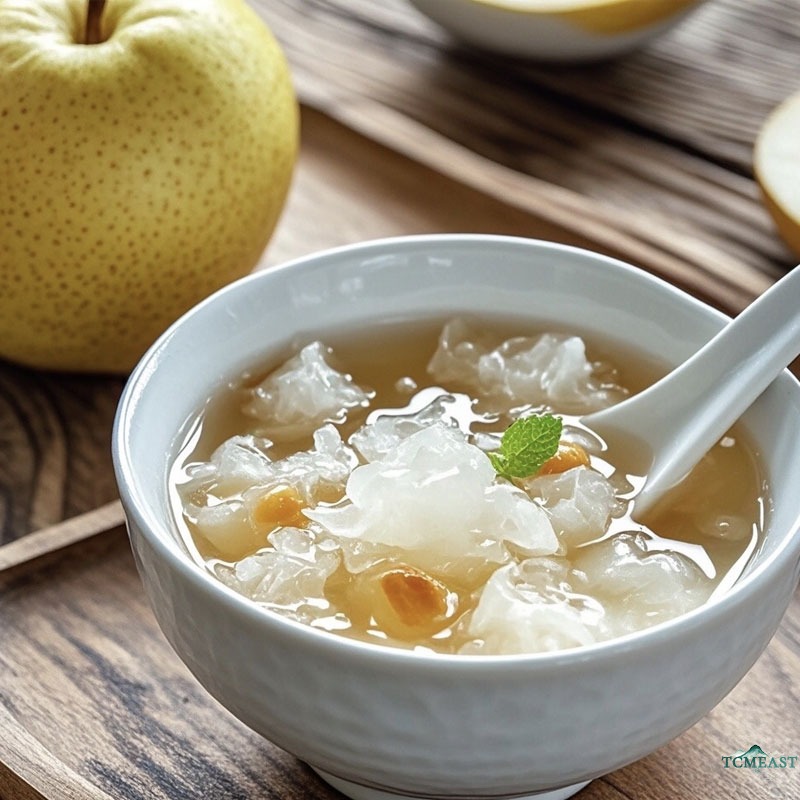
Autumn Medicinal Soup Recipes: Warming Soups for the Season
A collection of TCM-inspired soups for the autumn season — each recipe supports Lung health, boosts immunity, and warms the body as temperatures cool. Includes Astragalus chicken soup, pear and white fungus soup, and more.
TCM for Weight Loss: Acupuncture Points, Herbs & Dietary Wisdom
Discover how Traditional Chinese Medicine approaches weight loss — targeting the root causes of weight gain through acupuncture points, herbal formulas, and time-tested dietary principles. Includes acupressure points for appetite control and metabolism-boosting recipes.
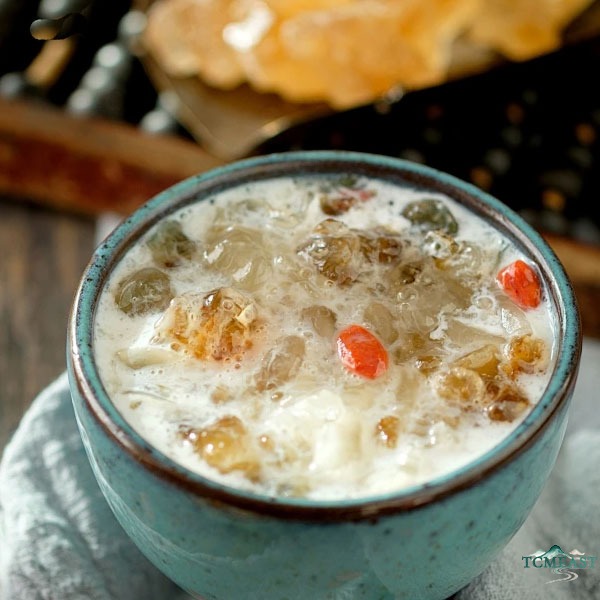
Chinese Beauty Herbs and Soup Recipes: TCM Skincare from the Inside Out
Beauty from the inside out — discover how Traditional Chinese Medicine approaches skincare through herbs that nourish the blood, cool the skin, and brighten the complexion. Includes beauty soup recipes and acupressure for glowing skin.
red goji berries, wild black goji berries, black wolfberry, anthocyanins, OPC, kidney tonifying, anti-aging, beauty benefits, Qaidam Basin goji
Red goji and wild black goji differ significantly in taste, composition, and benefits. Red goji is sweeter and produces a light red infusion; wild black goji is rich in anthocyanins (OPC), which change color from purple to blue depending on water pH, with antioxidant power 20x that of vitamin C and 50x that of vitamin E – giving it superior anti-aging and beauty effects. In terms of minerals, black goji contains far more iron, calcium, magnesium, zinc, and copper than red goji. For kidney tonifying, both are equally effective and require long-term consumption (20–30g daily for at least six months). For quality, black goji from Qinghai‘s Qaidam Basin is best, while red goji from Xinjiang and Gansu is excellent but their black goji is only average.
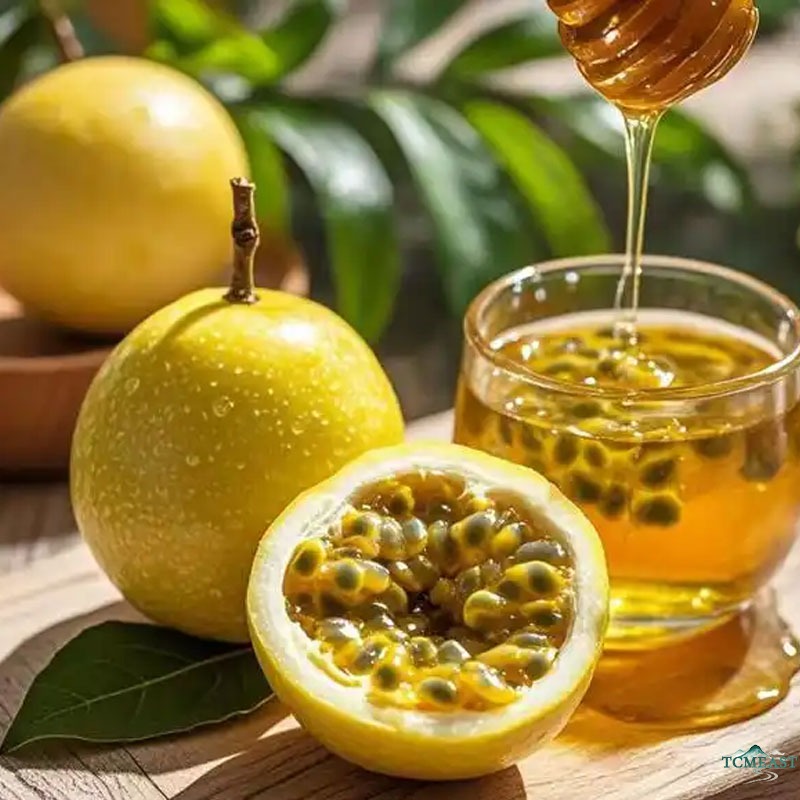
Best Time to Drink Passion Fruit Honey Tea? Fasting Tips, Digestion Benefits & Beauty Effects
Passion fruit honey tea is made from golden passion fruit and honey, with a sweet-and-sour taste that appeals to many. This article answers the best time to drink it: those with sensitive stomachs should avoid drinking on an empty stomach – 30 minutes after a meal is recommended to promote digestion and accelerate food breakdown. Passion fruit is rich in dietary fiber, and honey contains active enzymes; together they enhance gastrointestinal motility and relieve constipation. Additionally, passion fruit is high in vitamin C, and when paired with Yunnan honey (which contains multiple botanical extracts), it can brighten skin, nourish and moisturize, and regulate endocrine function. The article also notes that honey is an acidic viscous liquid that may irritate the stomach if consumed on an empty stomach.
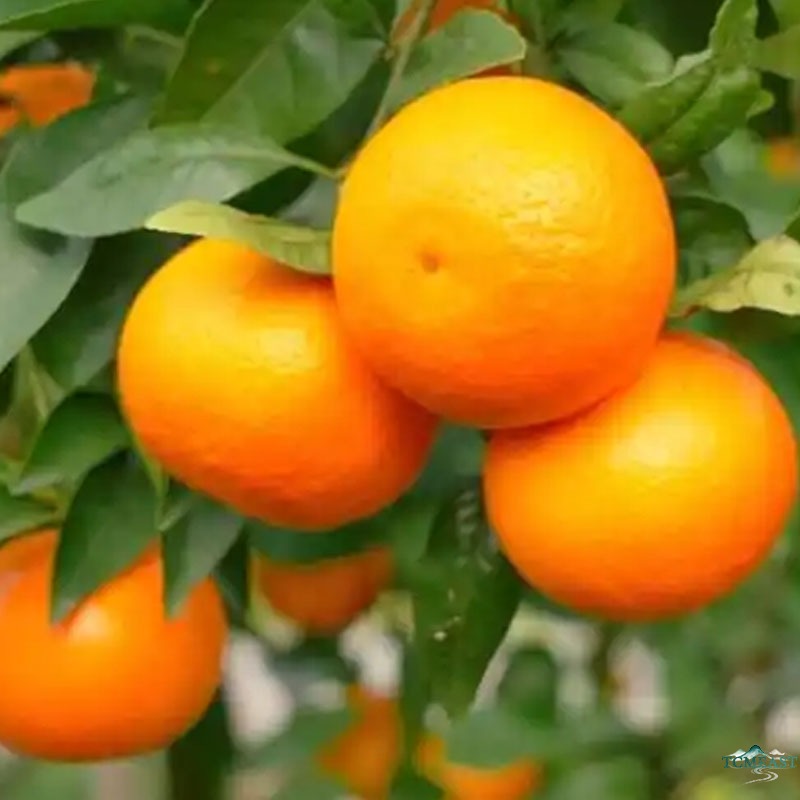
Can Pregnant Women Eat Mandarins? Nutrition, Benefits and Precautions
Pregnant women can eat mandarins in moderation as long as they are not allergic. Mandarins are rich in vitamin C, B vitamins, calcium, phosphorus, iron, citric acid, and natural sugars, which help supplement nutrition, protect blood vessels, strengthen the spleen and stimulate appetite, promote fluid production, aid digestion. However, mandarins have a high sugar content – intake should be controlled to avoid blood sugar fluctuations. In Traditional Chinese Medicine, mandarins are considered cooling in nature; excessive consumption may cause abdominal pain or diarrhea. A varied, balanced diet with proper exercise, adequate sleep, and regular prenatal checkups is recommended.
Chinese Cabbage: The “King of Vegetables” – 7 Health Benefits & 7,000 Years of History
Chinese cabbage (napa cabbage), native to China with 7,000 years of cultivation history, is known as the “king of vegetables.” This article provides a detailed analysis of its nutritional composition (protein, vitamins, trace elements, etc.) and 7 major health benefits: anti-cancer (indole-3-carbonal, molybdenum), detox and beauty (zinc, fiber), treating gastric ulcers (vitamin U), cardiovascular protection, strengthening bones (ideal calcium-phosphorus ratio), kidney health (treating hair loss), and weight loss. Traditional Chinese medicine uses of cabbage are also covered, including remedies for colds, stomach issues, and skin allergies.
Low-Purine Food List: Grains, Vegetables, Fruits, Eggs & Dairy (with Purine Content Guide)
This article systematically lists low-purine foods (less than 50 mg per 100g) in four categories: grains (cornmeal, millet, bread, steamed buns, rice, etc.), vegetables (celery, carrots, cabbage, pumpkin, eggplant, tomatoes, etc.), fruits (apples, bananas, grapes, kiwis, watermelon, etc.), and eggs/dairy (chicken eggs, duck eggs, milk, cheese, condensed milk, etc.). An essential reference for people with hyperuricemia or gout.
Is Wheat Gluten (Su Ji) Bad for Weight Loss? 194 kcal per 100g – Truth & Healthy Tips
Su Ji (wheat gluten, a bean-based meat substitute) has a chicken-like texture but provides 194 kcal per 100g – more than rice (117 kcal/100g). Often deep-fried and high in fat, excessive consumption can lead to energy surplus and weight gain. This article explains why Su Ji is not helpful for weight loss and offers science-based advice: calorie control, balanced nutrition, and exercise (swimming, running, etc.).
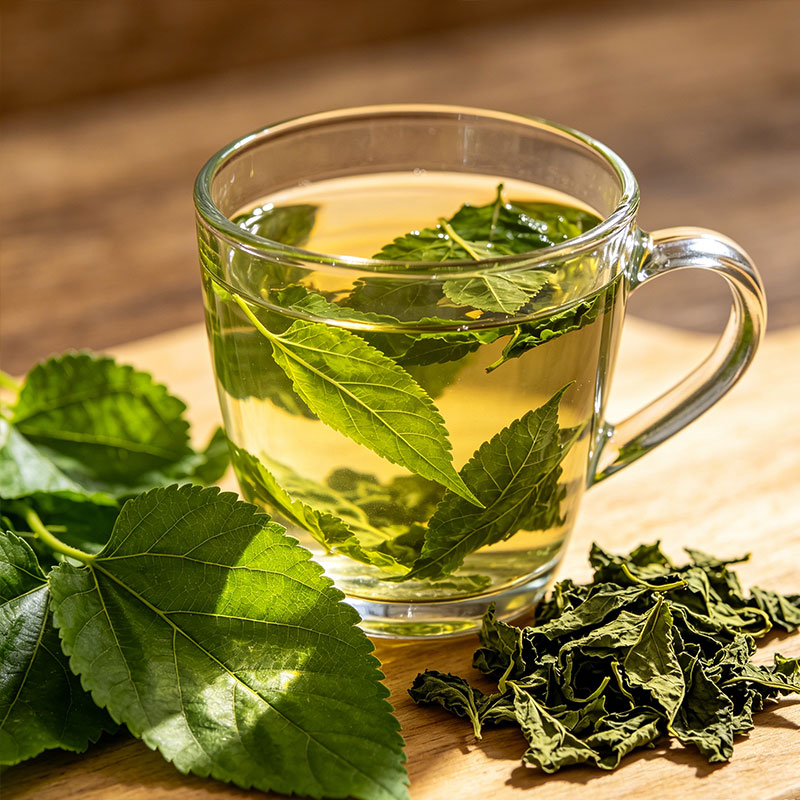
Mulberry Leaf Tea: Benefits for Blood Sugar, Weight Loss, Skin Health & 8 Ways to Use It
Mulberry leaf is known as the “king of green plants” and is recognized by the Chinese Ministry of Health as both food and medicine. This article covers five key benefits of mulberry leaf tea: lowering blood sugar, reducing blood viscosity, weight loss, removing acne and spots, and anti-aging. It also provides 8 consumption methods (tea, cold salad, patties, fish soup, pastries, ginger, coix seed, and vine tea) as well as possible side effects from overconsumption.
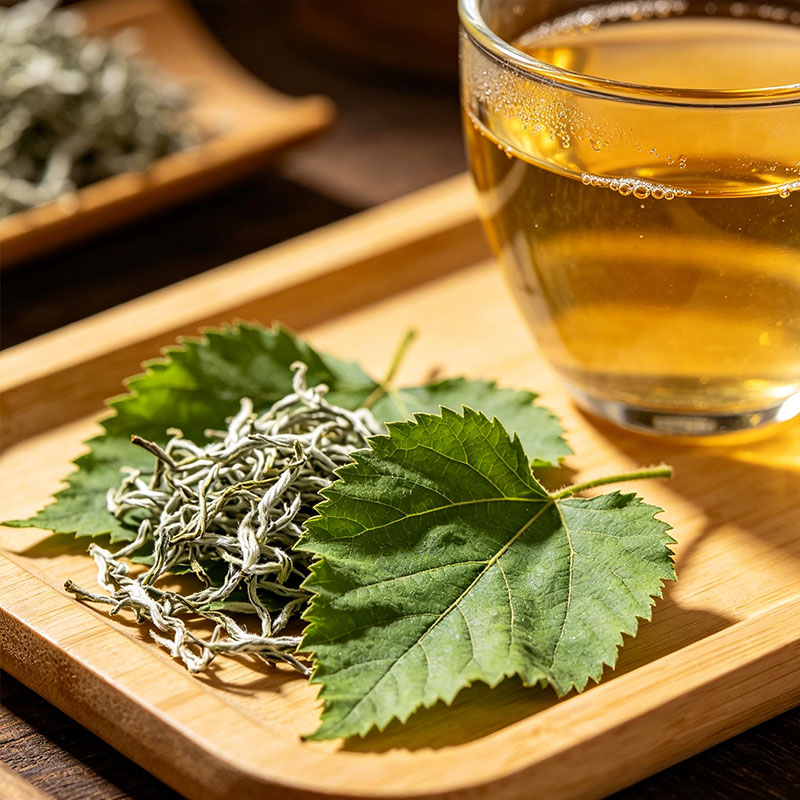
Vine Tea Benefits: Anti-inflammatory, Cardiovascular Support, and Better Sleep
Vine tea (Ampelopsis grossedentata) offers anti-inflammatory and antibacterial effects, helps prevent arteriosclerosis, and supports cardiovascular health. It is suitable for people with anemia or poor sleep quality. Containing no stimulants, it reduces oxidative stress, fights aging, and protects the liver. Its high flavonoid content inhibits bacteria like E. coli. A balanced diet rich in protein and vitamins, along with exercise, further boosts immunity.
