
Wellness Articles
Spleen Qi Deficiency Diet: Foods to Eat and Avoid
The Spleen Qi Deficiency diet explained: which foods strengthen digestion, which foods feed dampness, and how to build a simple TCM-friendly eating rhythm that reduces bloating and fatigue.
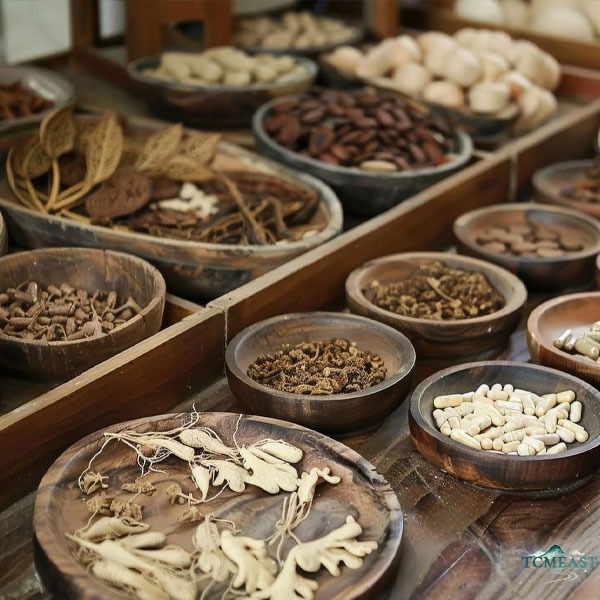
TCM for Chronic Fatigue & Energy: Herbs, Acupressure & Natural Vitality
Restore your energy naturally with Traditional Chinese Medicine. Discover the best herbs for vitality — from Ginseng to Astragalus — plus acupressure points that fight fatigue and dietary changes that rebuild your Qi.
Foods to Avoid During Pregnancy: Hotpot, Spicy Boiled Dishes, Cold Foods & Tonic Herbs
Pregnant women need to pay special attention to their diet, as some foods – though delicious – may affect the fetus. This article summarizes four categories of foods to avoid or consume with caution: Hotpot (undercooked meat may carry parasites; infection can lead to fetal malformation); Spicy boiled dishes (spicy stimulation can cause上火 “heatiness” and constipation, which may lead to intestinal toxemia in severe cases); Cold-natured foods (frozen pears, watermelon, etc., may cause vascular spasms, abdominal pain, diarrhea, and even miscarriage or premature labor); Warm-tonic herbs (ginseng, dried longan, etc., are too warming and may trigger threatened miscarriage). Additionally, although soy milk is healthy, excessive intake can burden the kidneys. Expectant mothers should keep these taboos in mind for the wellbeing of both mother and baby.

3 TCM Herbal Recipes for Summer: Eel Rice, Hawthorn Drink & Pseudostellaria Porridge to Soothe Your Stomach
Summer offers abundant delicious foods, but overindulgence in ice cream, popsicles, cold drinks, and chilled fruits can easily cause stomach discomfort. This article recommends three TCM herbal recipes: Eel Rice (tonifies kidneys and strengthens the stomach – eel is at its best in summer), Hawthorn and Malt Drink (clears the heart, aids digestion – a healthy alternative to cold beverages), and Pseudostellaria Porridge (clears heat, tonifies qi, nourishes yin). All three recipes use common ingredients and herbs, are simple to prepare, and help regulate digestion and prevent diarrhea during summer.
Can You Drink Almond Powder Long-Term? Safe Dosage vs. Overdose Risks (Sores, Constipation, Dizziness)
Long-term moderate consumption of almond powder is generally safe. However, chronic excessive intake may cause harm: mouth sores (due to its mildly warm nature), constipation (as it affects the lung and large intestine meridians in TCM), and toxicity from amygdalin leading to dizziness, headache, etc. This article explains proper use and risks of almond powder, advising consumption under medical guidance.
3-Minute Breakfast Pancake for Busy Workers (Cucumber, Carrot, Bacon & Egg)
No time for breakfast? This 3-minute quick pancake is perfect for busy office workers. Made with cucumber, carrot, onion, bacon (or sausage), eggs, sesame oil, and ketchup. Prep ingredients the night before, then fry in the morning. Serve with milk or juice – nutritious, delicious, and kid-friendly.
Longan Tea and Red Date Goji Berry Tea: Traditional TCM Recipes
Longan, red dates and goji berries are common ingredients in Chinese food and traditional wellness culture. They are often combined into warm teas that are simple to prepare at home.
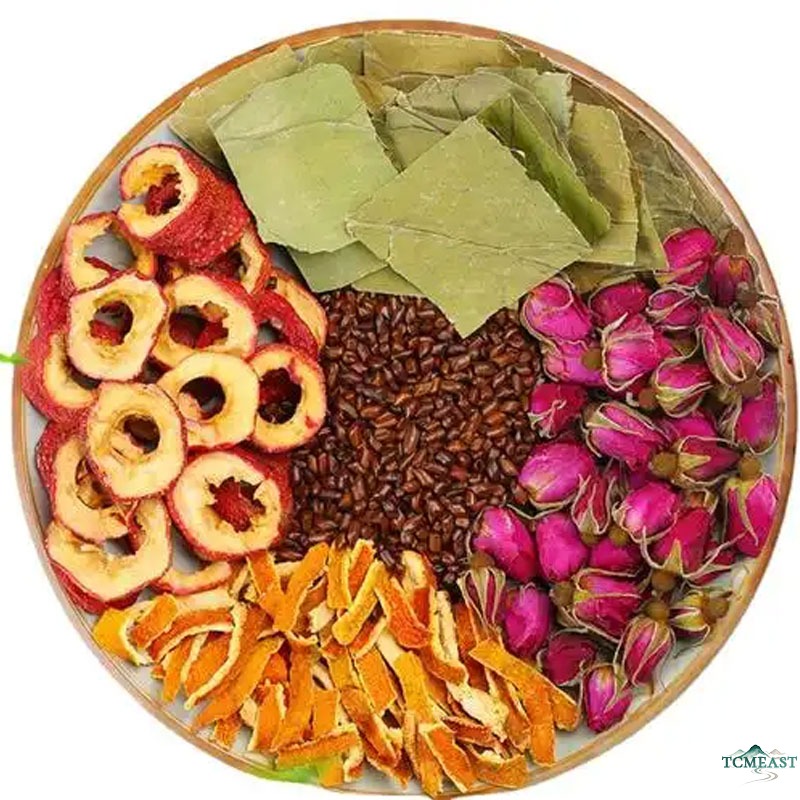
Chinese Herbal Tea: A Complete Guide to Healing Teas
A practical guide to Chinese herbal teas — from goji berry eye tea to chrysanthemum heat-clearing tea. Learn which teas suit your constitution and how to prepare them properly.
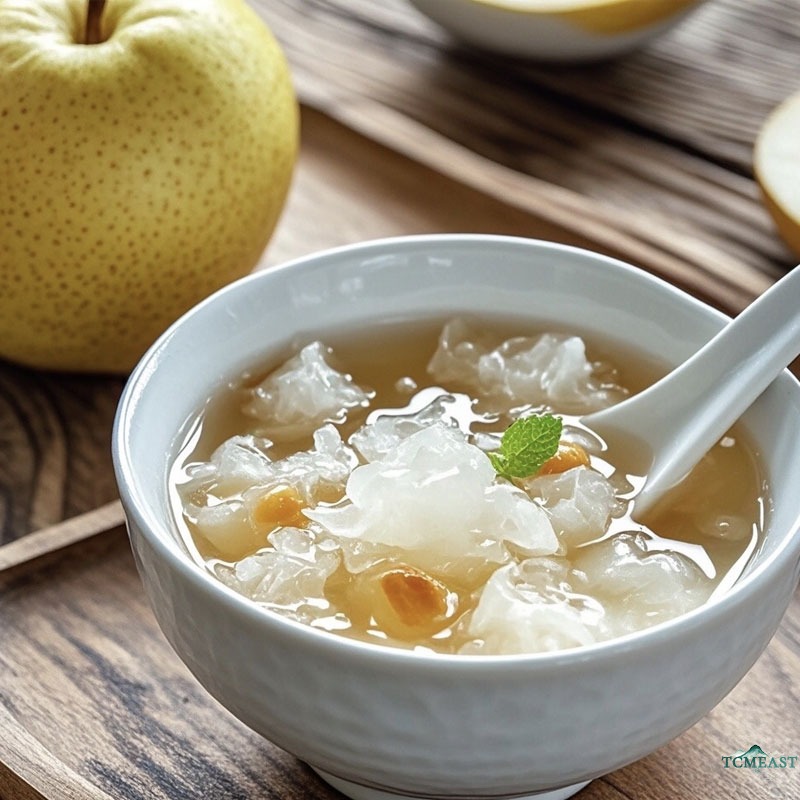
Autumn Medicinal Soup Recipes: Warming Soups for the Season
A collection of TCM-inspired soups for the autumn season — each recipe supports Lung health, boosts immunity, and warms the body as temperatures cool. Includes Astragalus chicken soup, pear and white fungus soup, and more.
TCM for Weight Loss: Acupuncture Points, Herbs & Dietary Wisdom
Discover how Traditional Chinese Medicine approaches weight loss — targeting the root causes of weight gain through acupuncture points, herbal formulas, and time-tested dietary principles. Includes acupressure points for appetite control and metabolism-boosting recipes.
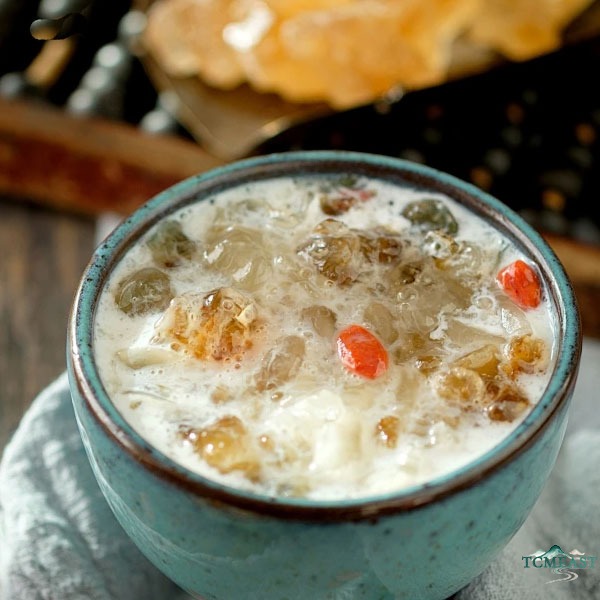
Chinese Beauty Herbs and Soup Recipes: TCM Skincare from the Inside Out
Beauty from the inside out — discover how Traditional Chinese Medicine approaches skincare through herbs that nourish the blood, cool the skin, and brighten the complexion. Includes beauty soup recipes and acupressure for glowing skin.
red goji berries, wild black goji berries, black wolfberry, anthocyanins, OPC, kidney tonifying, anti-aging, beauty benefits, Qaidam Basin goji
Red goji and wild black goji differ significantly in taste, composition, and benefits. Red goji is sweeter and produces a light red infusion; wild black goji is rich in anthocyanins (OPC), which change color from purple to blue depending on water pH, with antioxidant power 20x that of vitamin C and 50x that of vitamin E – giving it superior anti-aging and beauty effects. In terms of minerals, black goji contains far more iron, calcium, magnesium, zinc, and copper than red goji. For kidney tonifying, both are equally effective and require long-term consumption (20–30g daily for at least six months). For quality, black goji from Qinghai‘s Qaidam Basin is best, while red goji from Xinjiang and Gansu is excellent but their black goji is only average.
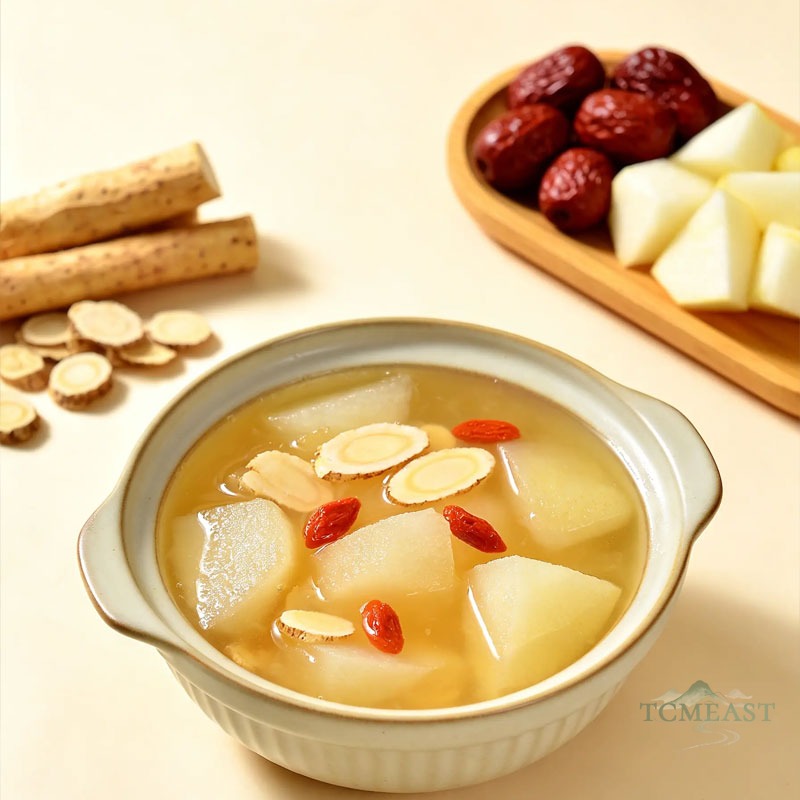
Lung Dryness in Autumn: Foods and Herbs to Moisturize and Protect
Autumn is the season of dryness in TCM. Learn which foods and herbs moisten the Lungs, how to protect against dry cough and itchy throat, and why the change of season matters.

Autumn Immune Support: TCM Prepares for Cold Season
As autumn approaches, TCM offers specific strategies to strengthen your immune system before cold and flu season arrives — including immune-building herbs like Astragalus, Lung-supporting acupressure, and seasonal dietary adjustments.
Autumn Harvest: A TCM Guide to Seasonal Eating
As autumn arrives, TCM's seasonal eating principles shift from cooling summer foods to warming, moistening autumn fare. Learn which autumn harvest foods support Lung health, boost immunity, and prepare the body for winter.
TCM Summer Health Guide: Beat the Heat with Ancient Wisdom
A complete Traditional Chinese Medicine guide to summer health — including cooling foods and herbs that beat the heat, acupressure points for summer fatigue, and how to avoid the common summer patterns of damp-heat and Spleen deficiency.
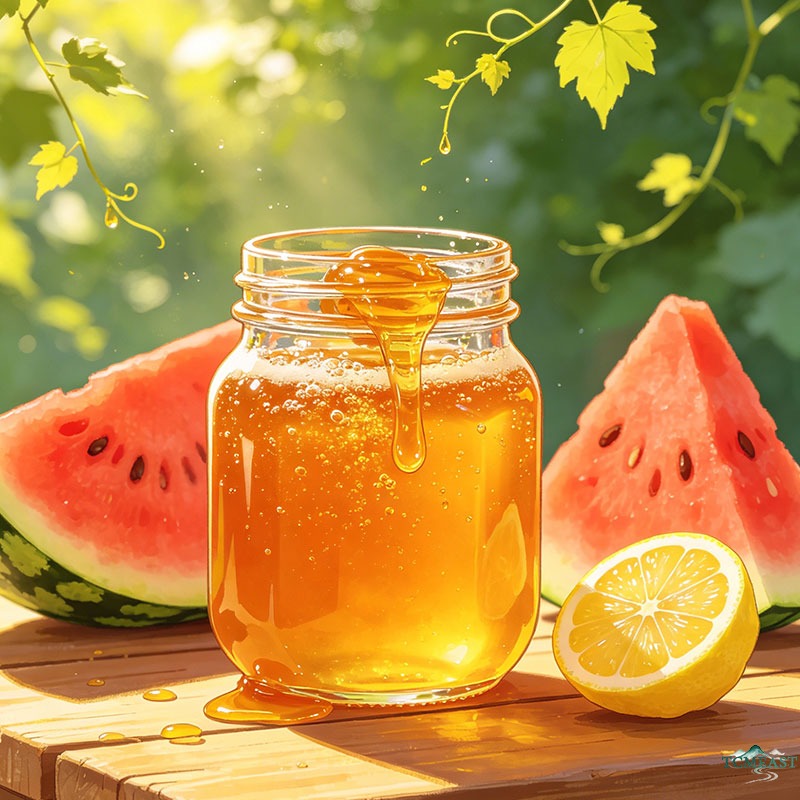
Three Honey Herbal Remedies: Chrysanthemum-Bamboo-Honey Drink, Honey Green Tea, Honey Cucumber Salad
This article presents three simple honey-based wellness recipes: Chrysanthemum-Bamboo-Honey Drink (honeysuckle, chrysanthemum, lophatherum decocted then mixed with honey – clears heat and relieves summer heat); Honey Green Tea (green tea steeped then sweetened with honey – clears heat, detoxifies, refreshes and aids digestion); Honey Cucumber Salad (cucumber strips boiled briefly then mixed with honey – moistens dryness, promotes bowel movement, and beautifies the skin). Each recipe includes ingredients and instructions, ideal for summer or for people with a “hot” constitution.
Summer Digestive Issues from AC? Xianglan Drink (Huoxiang + Peilan) to Soothe the Stomach
In hot summer, large temperature differences between air-conditioned rooms and outdoors often cause functional dyspepsia (acid reflux, nausea, bloating, fatigue, loss of appetite). In TCM, this falls under “oppression and fullness” and “stomach pain,” often caused by temperature changes and emotional stress affecting the spleen and stomach. This article introduces Xianglan Drink: 9g Huoxiang (patchouli) + 9g Peilan (eupatorium), decocted for 30 minutes. Huoxiang relieves summer heat, regulates qi, and stops vomiting; Peilan awakens the spleen, resolves dampness, and opens the stomach. Together, they aromatically resolve dampness, harmonize the stomach, and stop vomiting. Daily lifestyle tips are also included.
