
Herbal Teas
Purslane and Mung Bean Soup
Purslane and Mung Bean Soup is a classic Chinese medicinal dietary recipe originating from the Family Health Medicinal Diet Classic. Mung beans clear heat and relieve summer heat; purslane, cold and smooth in nature, is excellent for clearing heat toxins from the blood and large intestine. The soup has a clear color with a slightly sour and sweet taste, offering the effects of clearing heat, detoxifying, promoting diuresis, reducing swelling, and relieving restlessness. It is particularly effective for dysentery, enteritis, abdominal pain, and bloody purulent stools. It is an ideal daily wellness drink for hot summer days.
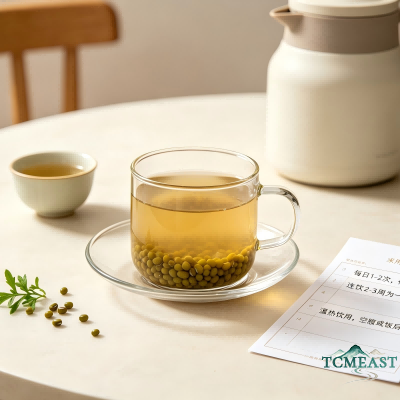
Main Ingredients
- Fresh purslane 120g
- Mung beans 60g
- Brown sugar to taste
- Water 800ml
- Salt a pinch
Steps
Purslane: Remove the roots and tough stems, wash thoroughly. If using dried purslane, soak in warm water beforehand. Mung beans: Remove any impurities, rinse, and soak for 1-2 hours to reduce cooking time.
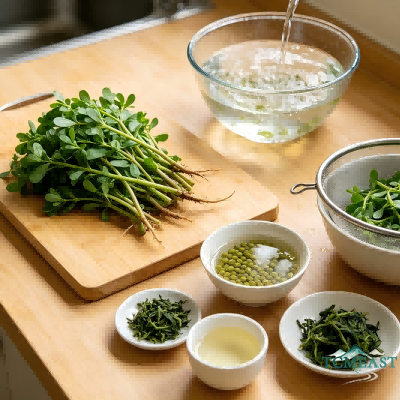
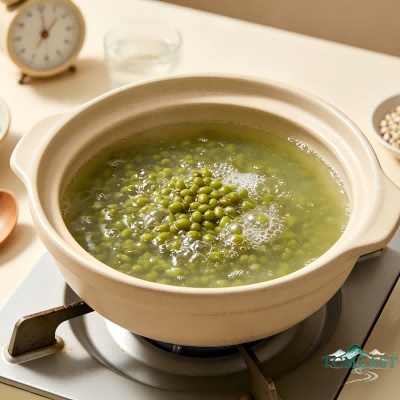
Place the soaked mung beans in a clay pot or soup pot with approximately 500-800ml of water. Bring to a boil over high heat, then reduce to low heat and cook until the beans are soft and blooming. If cooking with coix seeds, boil the coix seeds and mung beans together for 1 hour first.
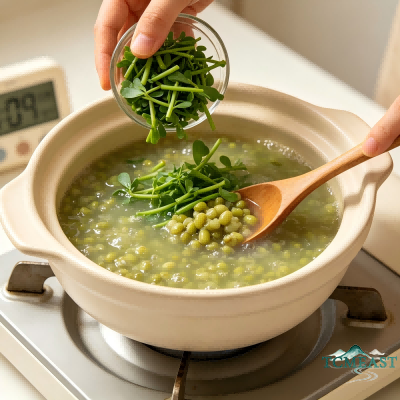
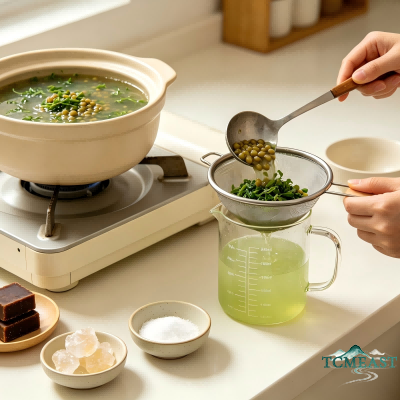
Once the mung beans are cooked, add the cleaned purslane (cut fresh purslane into sections). Continue cooking until the soup comes to a boil and the purslane wilts and changes color (about 5-10 minutes). Do not overcook to preserve nutrients.
Add brown sugar or rock sugar to taste before turning off the heat (a pinch of salt can be added for a savory version). Strain and discard the solids, reserving the liquid. The total yield should be about 500ml.
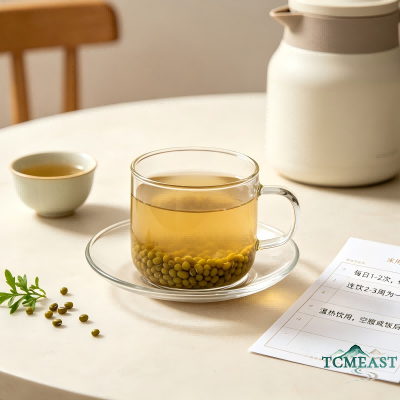
Drink 1-2 times daily as a tea substitute. A course of 2-3 weeks is recommended. Best consumed warm, either on an empty stomach or after meals.
TCM Notes
Purslane: Cold in nature, sour and sweet in taste, acts on the Liver and Large Intestine meridians. Rich in vitamins, carotene, and potassium. Known to clear heat, detoxify, disperse stasis, reduce swelling, and cool blood to stop bleeding. It is especially effective for clearing heat toxins from the blood and large intestine. It has significant inhibitory effects on Shigella and E. coli. The entire plant is used medicinally for detoxification, antibacterial, anti-inflammatory, diuretic, and digestion-regulating purposes. Mung beans: Cool in nature, sweet in taste, acts on the Heart and Stomach meridians. Known to clear heat, detoxify, relieve summer heat, quench thirst, strengthen the stomach, and promote diuresis. Rich in protein, B vitamins, calcium, zinc, and other minerals. Effective for summer heat with thirst, damp-heat diarrhea, edema, and skin infections. The skin is cold and the flesh is neutral, so the skin should not be removed when using. Together, they enhance each other's heat-clearing and detoxifying effects, achieving the combined benefits of clearing heat, detoxifying, promoting diuresis, reducing swelling, and relieving restlessness.
Suitable for:Those with dysentery or enteritis (symptoms: abdominal pain, tenesmus, bloody purulent stools) Those suffering from summer heat with thirst or damp-heat diarrhea Those with hemorrhoid bleeding Those with damp-heat constitution General population needing heat relief and summer cooling Those with gestational hypertension (in moderation, under medical supervision)
Not suitable for:Pregnant women (especially those with recurrent miscarriage) : Purslane can significantly contract the uterus and poses a miscarriage risk – strictly avoid Those with Spleen-Stomach deficiency cold: Symptoms include frequent abdominal pain, cold sensitivity, and loose stools – both purslane and mung beans are cold in nature and may worsen diarrhea and abdominal pain Those with diarrhea caused by abdominal cold: Should not consume Those with cold constitution: Should not consume in large amounts or for prolonged periods Those taking Chinese herbs containing soft-shelled turtle shell (Biejia) : Purslane is incompatible with Biejia – do not consume together Those with Yang deficiency constitution: Should avoid