Body & Nature
Mud and Sand Therapy
Mud and sand therapy combines mud therapy and sand therapy, rooted in the TCM theory that “the spleen corresponds to the earth element; like attracts like in qi.” This article explains the principle of applying various therapeutic earths to overcome dampness and tonify the spleen, introduces common medicinal clays such as hot spring mud, well mud, and stove earth, and describes the dual thermal and massage effects of hot sand burial therapy — a distinctive external treatment within naturopathy.
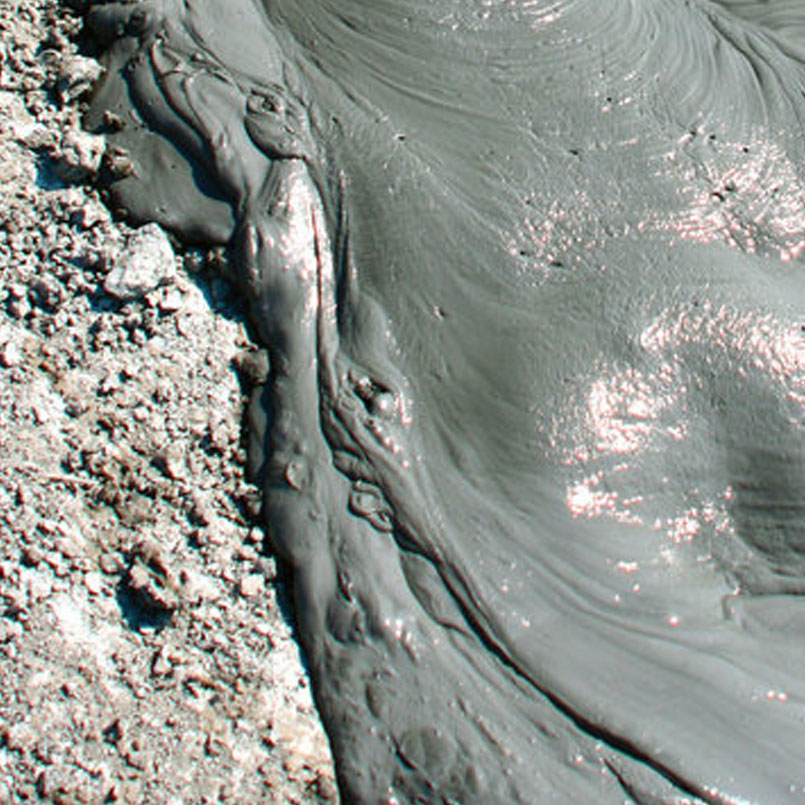
Mud therapy and sand therapy are collectively referred to as mud and sand therapy. In Li Shizhen's Bencao Gangmu (Compendium of Materia Medica), the relationship between mud and the human body was discussed, stating, “All types of earth can overcome dampness and tonify the spleen.” Chinese medicine holds that the spleen belongs to the earth element, and when natural earth and mud are applied to the human body, they share an “affinity of qi” (tong qi xiang zhao) with the spleen. Therefore, for diseases caused by the spleen, treatment with mud therapy yields notably effective results. However, the ancients also said, “Each type of earth gives rise to different kinds of life,” and likewise, “each type treats corresponding categories of diseases.” The types of mud used for therapeutic purposes mainly include hot spring mud, well mud, river mud, field mud, earthworm castings, loess, white clay, stove earth (hearth center soil), wall earth, swiftlet nest soil, and wasp nest soil. In hot sand therapy, a form of sand therapy, the body, an affected part, or even the entire body is buried in sand, utilizing the heat and massage effects of the hot sand to treat disease.