
Nutrition & Diet Tips
Mulberry Leaf Tea: Benefits for Blood Sugar, Weight Loss, Skin Health & 8 Ways to Use It
Mulberry leaf is known as the “king of green plants” and is recognized by the Chinese Ministry of Health as both food and medicine. This article covers five key benefits of mulberry leaf tea: lowering blood sugar, reducing blood viscosity, weight loss, removing acne and spots, and anti-aging. It also provides 8 consumption methods (tea, cold salad, patties, fish soup, pastries, ginger, coix seed, and vine tea) as well as possible side effects from overconsumption.
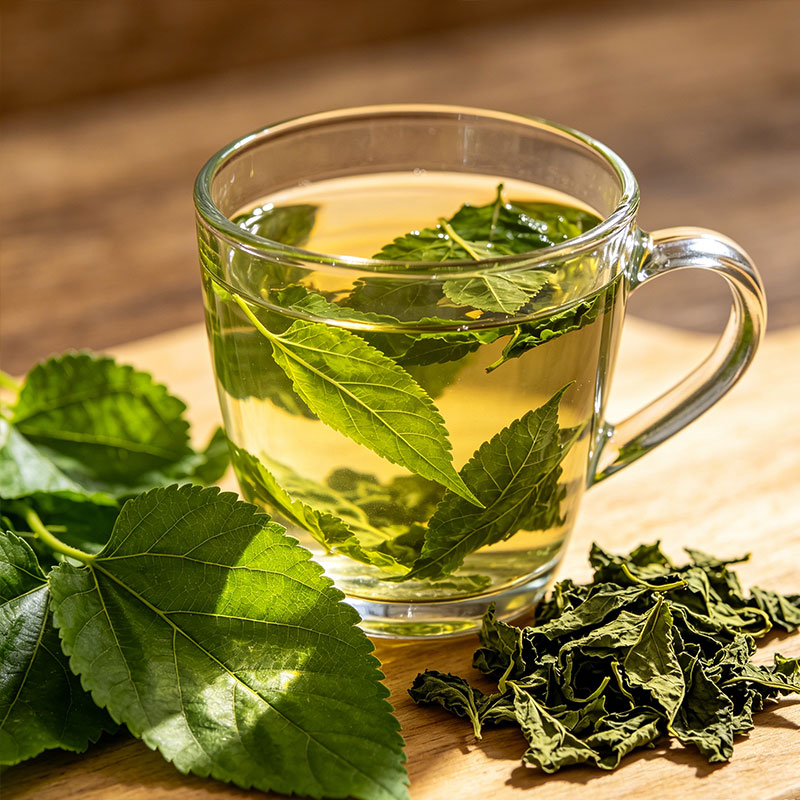
Mulberry leaf is the king of green plants, known by the saying: “Ginseng is hot-tonifying, mulberry leaf is gently tonifying.” It contains 17 carbohydrates, crude protein, and crude fiber for the body. It is recognized by the Chinese Ministry of Health as a plant that is both food and medicine. Besides being brewed as tea, mulberry leaves can also be used in dietary therapy. Below is a detailed introduction to the benefits and effects of mulberry leaf tea.
Benefits of Mulberry Leaf Tea
1. Lowers blood sugar
Mulberry leaf tea contains N-sugar compounds that inhibit the rise of blood glucose levels, and can be used to prevent and treat diabetes. Mulberry leaf extracts suppress blood glucose elevation, mainly due to flavonoids – a unique component not found in other animals or plants. The Japanese medical community calls this special structure “DNJ.” Its main function is to inhibit the breakdown of sucrase, maltase, α-glucosidase, and α-amylase, stimulate insulin secretion, and reduce the rate of insulin degradation.
2. Reduces blood viscosity
Patients with hyperlipidemia have high blood viscosity, making blood flow through capillaries (only 1/100 the thickness of a hair) very difficult, leading to easy blockage. Both myocardial infarction and cerebral hemorrhage are results of capillary blockage. Mulberry leaf tea contains flavonoids and polysaccharides that strengthen capillaries and reduce blood viscosity. Therefore, while aiding weight loss and improving hyperlipidemia, it also helps prevent myocardial infarction and cerebral hemorrhage.
3. Promotes weight loss and reduces fat
Mulberry leaf tea can aid weight loss due to its detumescence (edema reduction) and blood-cleansing effects. Detumescence comes from its water-draining property, which not only promotes urination but also removes excess water accumulated in cells – thus improving edema. Blood-cleansing removes excess neutral fats and cholesterol from the blood. Excess neutral fats or cholesterol lead to hyperlipidemia, which is common in overweight individuals. Mulberry leaf tea helps improve this condition.
4. Removes acne and spots
Research confirms that mulberry leaf tea has good dermatological effects, especially on facial acne and brown spots. It is rich in flavonoids, phenols, amino acids, organic acids, carotene, vitamins, and various essential trace elements. These actively improve and regulate skin metabolism and inhibit the formation and progression of pigmentation. Regular consumption also reduces the accumulation of lipofuscin (age spots) in the skin and internal organs.
5. Anti-aging
Mulberry leaf tea has tonic and anti-aging effects similar to ginseng, and stabilizes the central nervous system. It alleviates emotional agitation caused by physiological changes, increases superoxide dismutase (SOD) activity, prevents the production of harmful substances, and reduces or eliminates lipofuscin already accumulated in the body. It also regulates the body’s response to stress, enhancing tolerance and anti-aging ability.
How to Consume Mulberry Leaf Tea
1. Brewed tea
Choose mulberry leaves that are late-harvested (after frost), clean, pest-free, and from the upper part of the tree. Water temperature should be 70–80°C (not boiling) to avoid destroying nutrients and preserve the leaves’ efficacy.
2. Cold mulberry leaf salad
Pick fresh, tender leaves. Remove stems, wash, cut into strips, blanch in boiling water, then cool in cold boiled water. Drain, stir-fry briefly, and add salt and oil.
3. Mulberry leaf patties
Wash and cut mulberry leaves into small pieces, blanch, drain, mix with flour, and pan-fry as pancakes.
4. Mulberry leaf crucian carp soup
Soak dried mulberry leaves in water for 30 minutes, rinse. Bring cleaned crucian carp to a boil in water, then add mulberry leaves and cook together.
5. Mulberry leaf pastries
Grind dried mulberry leaves into powder, mix with flour at a 5% ratio. Use to bake bread, steam buns, make noodles, dumplings, or other pastries – healthy and nutritious.
6. Mulberry leaf with ginger
In some regions, people make pickled ginger with mulberry leaves. Elderly folks sometimes boil mulberry leaf tea with ginger. The color looks like regular tea, but the aroma combines mulberry leaf and ginger. Some may find it pungent, but it is very effective for removing dampness.
7. Mulberry leaf with coix seed (Job’s tears)
Boiling mulberry leaves with coix seed is a new way to consume them. Mulberry leaves detoxify and reduce “heat,” and in summer, they help expel dampness through urination. Coix seed has its own distinct taste – some like it, some don’t. The combination may have a herbal flavor, but what is good for the body may not always taste pleasant. The health benefits are what matters.
8. Mulberry leaf with vine tea (Meicha)
Many people have never tried mulberry leaf with vine tea. In some regions where vine tea is produced, elders often steep mulberry leaves and vine tea together after work or during gatherings. They believe this combination removes dampness and quenches thirst at the same time. The tea looks yellowish-green, but the taste is good, and it is highly beneficial for health.
Side Effects of Mulberry Leaf Tea
1. Inhibits protease
Mulberry fruit contains protease inhibitors, preventing intestinal proteases from destroying certain bacterial toxins, which may lead to hemorrhagic enteritis.
2. Digestive irritation
Mulberry fruit contains fatty acids; excessive consumption may cause irritation of the digestive system.
3. Nausea and vomiting
Overconsumption of mulberry leaf tea may cause nausea and vomiting.
4. Stomach discomfort
Excessive intake may lead to abdominal pain, diarrhea, bloating, and jelly-like stools.
5. Do not overconsume
Despite its many benefits (lowering blood pressure, blood lipids, weight loss, spot removal, etc.), mulberry leaf tea should be consumed in moderation daily. Drink plenty of warm water to avoid side effects.
Conclusion: Drinking mulberry leaf tea can lower blood pressure and blood lipids, remove spots, beautify the skin, and delay aging. However, it should not be consumed excessively. Mulberry leaves have a cool nature; people with weak spleen and stomach may experience digestive discomfort if they drink too much. Therefore, always consume in appropriate amounts.