
Lung Meridian of Hand-Taiyin (LU)
The Lung Meridian of Hand-Taiyin is a meridian closely related to the functions of the respiratory system, and it is also connected with the health of the stomach and the large intestine. This meridian originates from the stomach, runs through the large intestine and the throat, travels along the medial aspect of the upper limb, and terminates at the tip of the index finger, where its qi links with the Large Intestine Meridian of Hand-Yangming. The Lingshu (Spiritual Pivot), in the chapter "Meridians" (Jing Mai), records: "The Lung Meridian of Hand-Taiyin governs disorders of the lung: cough, upward qi counterflow, wheezing and dyspnea, vexation, chest fullness, pain and cold sensation along the anteromedial border of the upper arm and forearm, and heat in the palm."
Active Hours
Yin hour, Lung Meridian
Related Conditions
Visceral patterns (Zang-fu symptoms): The lung is a delicate organ (tender zang). It is prone to cough, wheezing, shortness of breath, and distension and pain in the chest. Because the lung communicates with the mouth and nose, symptoms such as runny nose due to the common cold, aversion to wind and cold, and nasal congestion may also occur. Meridian patterns (Jing-luo symptoms): Along the regions traversed by the Lung Meridian, such as the supraclavicular fossa, the upper arm, and the anteromedial border of the forearm, abnormal sensations like swelling and pain, numbness, coldness, and soreness and distension may manifest.
Daily Care
At this time, the body is in a state of sleep and requires a large amount of oxygen through respiration. It is best to practice deep breathing while sleeping, so as to enter and maintain a deep sleep state. Soaking the feet in hot water before bedtime can promote sleep. During this period, if one is awakened by coughing, it is best to drink a glass of warm water to relieve lung dryness. Those with lung disorders often suffer from deficiency of qi and blood. If you wake up at this time, you may gently pat or tap the Lung Meridian. Since the lung qi of the body is generally not abundant, gentle patting serves to tonify qi, whereas excessive force will disperse or drain qi. Therefore, one must not apply too much force.
Acupoints
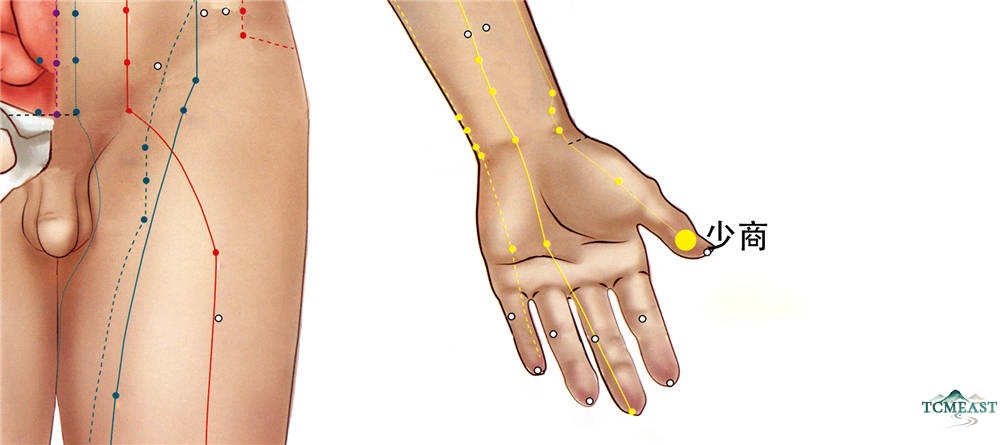
Shaoshang Point (LU-11 / Metal Sound, also known as Guixin)
Discover the exact location and acupressure method for Shaoshang (LU-11 / Guixin). Learn its benefits for sore throat, tonsillitis, epistaxis, and emergency resuscitation, plus classic combinations for influenza, convulsions, and mental disorders.
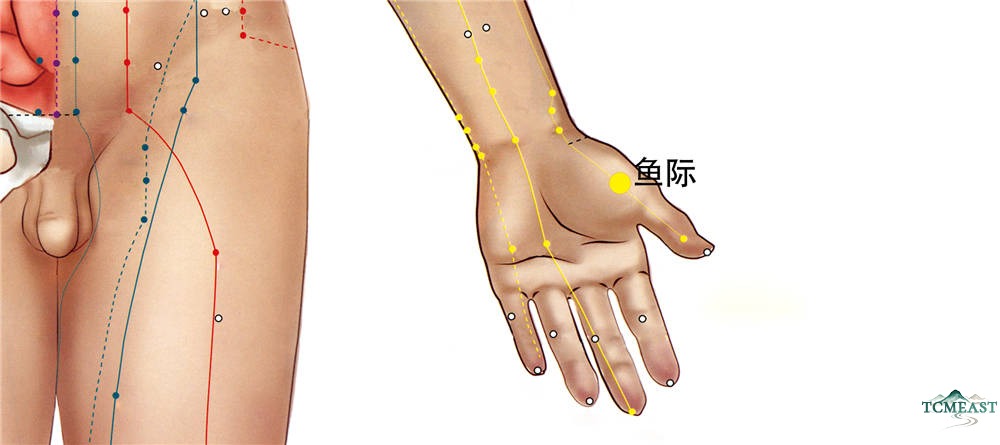
Yuji Point (LU-10 / Fish Border)
Discover the exact location and acupressure method for Yuji (LU-10 / Fish Border). Learn its benefits for aphonia, sore throat, cough, and bronchitis, plus classic combinations for vocal cord inflammation and respiratory conditions.
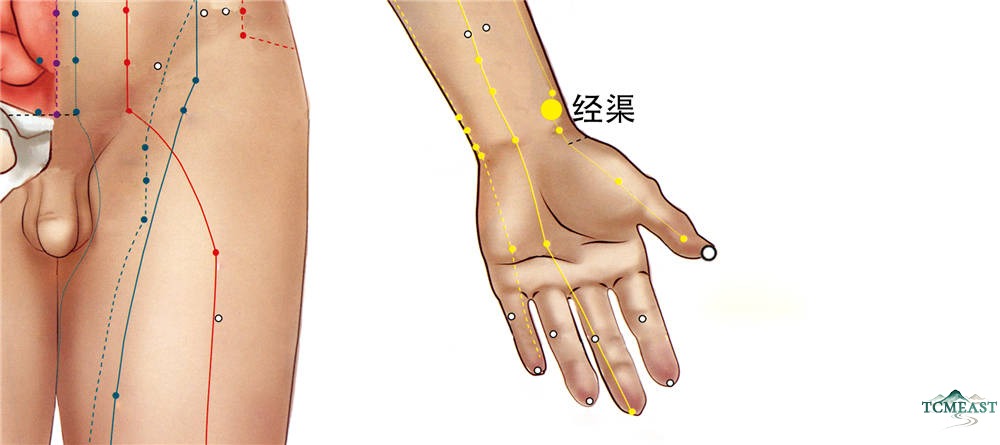
Jingqu Point (LU-8 / Meridian Ditch)
Discover the exact location and acupressure method for Jingqu (LU-8 / Meridian Ditch). Learn its benefits for cough, sore throat, bronchitis, hiccups, and pulseless disease, plus classic combinations for frozen shoulder and back pain. Note: moxibustion is contraindicated.
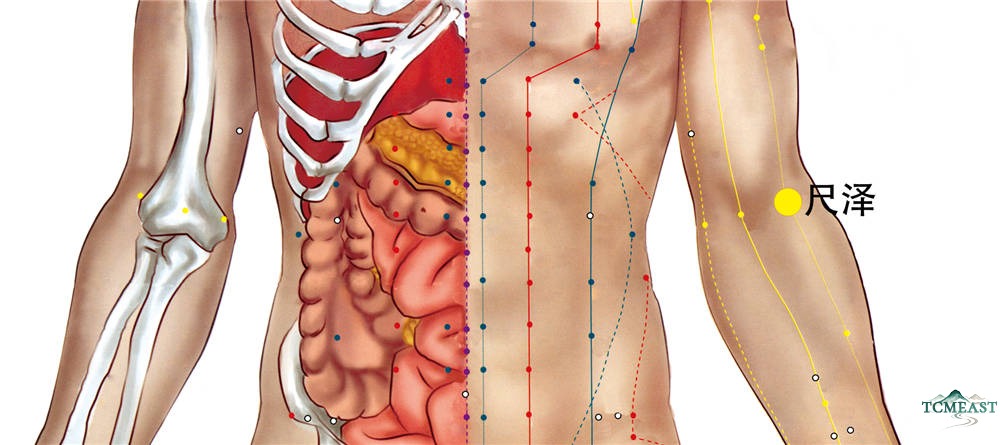
Chize Point (LU-5 / Foot Marsh, also known as Guishou and Guitang)
Discover the exact location and acupressure method for Chize (LU-5 / Foot Marsh). Learn its benefits for clearing lung heat, relieving cough and wheezing, and relaxing sinews, plus classic combinations for respiratory disorders, sinew pain, and acute gastroenteritis with bloodletting techniques.
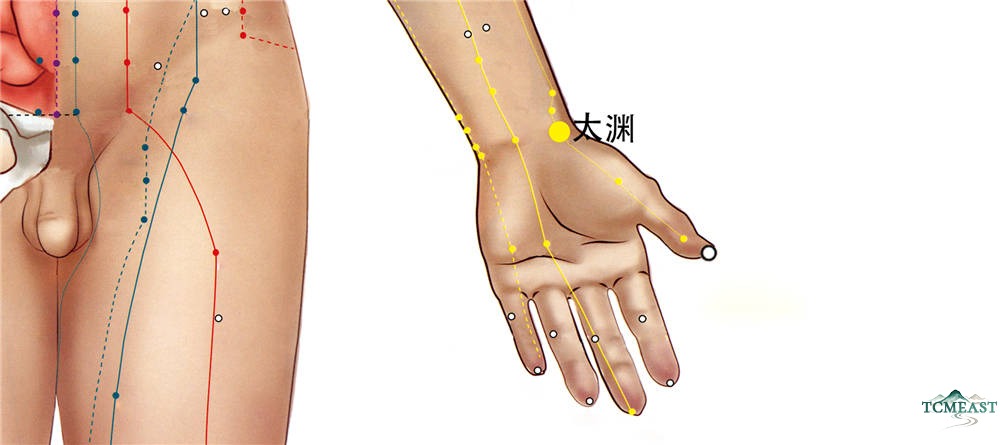
Taiyuan Point (LU-9 / Great Abyss, also known as Daquan, Guixin, Taiquan, Tianquan)
Discover the exact location and acupressure method for Taiyuan (LU-9 / Great Abyss). Learn its benefits for cough, bronchitis, pulseless disease, insomnia, and wrist pain, plus classic combinations for sore throat and respiratory conditions.
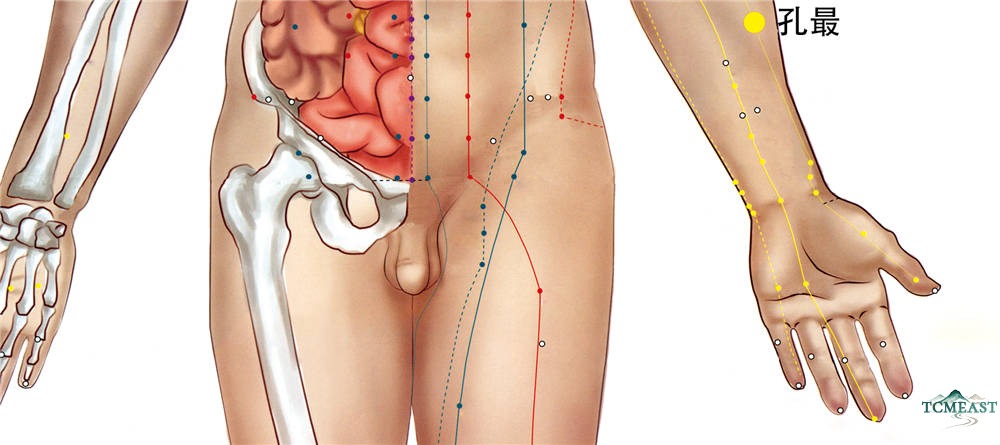
Kongzui Point (LU-6 / Deepest Pore)
Discover the exact location and acupressure method for Kongzui (LU-6 / Deepest Pore). Learn its benefits for clearing lung heat, stopping cough, and bleeding disorders, plus specific applications for hemorrhoid bleeding and acute respiratory conditions.
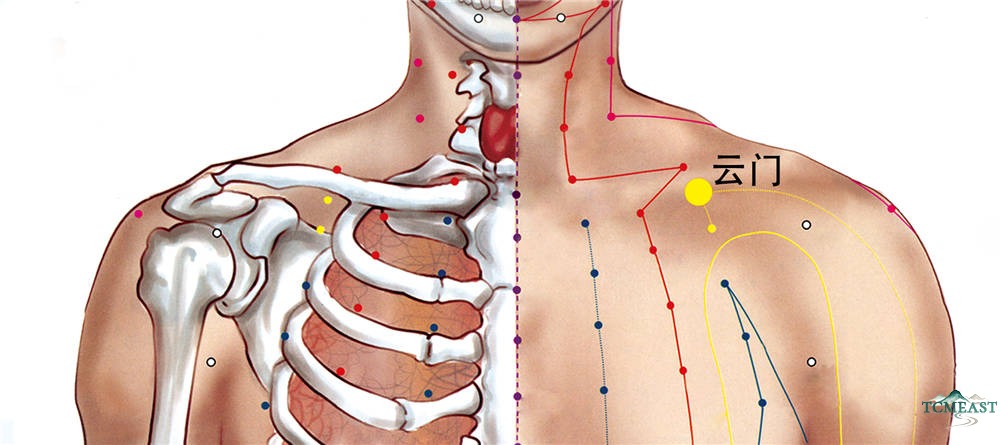
Yunmen Point (LU-2 / Cloud Gate)
Discover the exact location and acupressure method for Yunmen (LU-2 / Cloud Gate). Learn its benefits for cough, wheezing, chest and shoulder pain, and goiter, plus classic combinations for bronchitis and shoulder conditions.
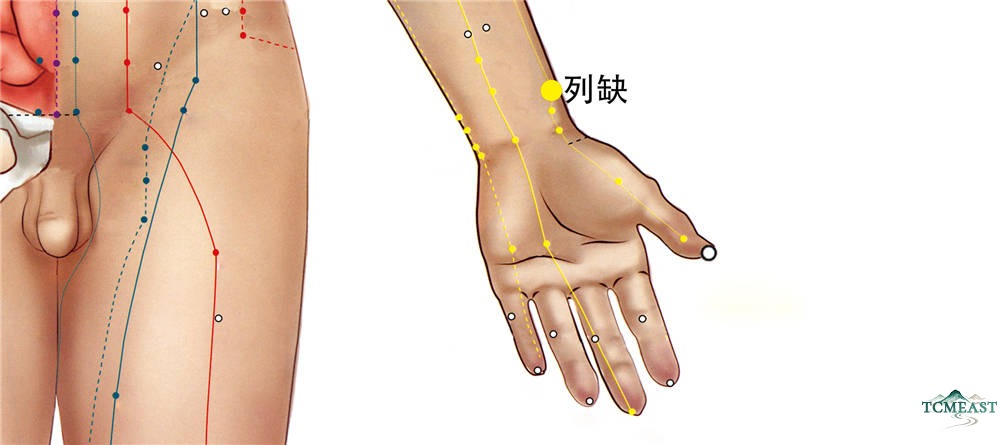
Lieque Point (LU-7 / Broken Gap, also known as Tongxuan and Wanlao)
Discover the exact location and acupressure method for Lieque (LU-7 / Broken Gap). Learn its benefits for colds, respiratory disorders, neck stiffness, and reproductive conditions, plus classic combinations for headaches and throat disorders.
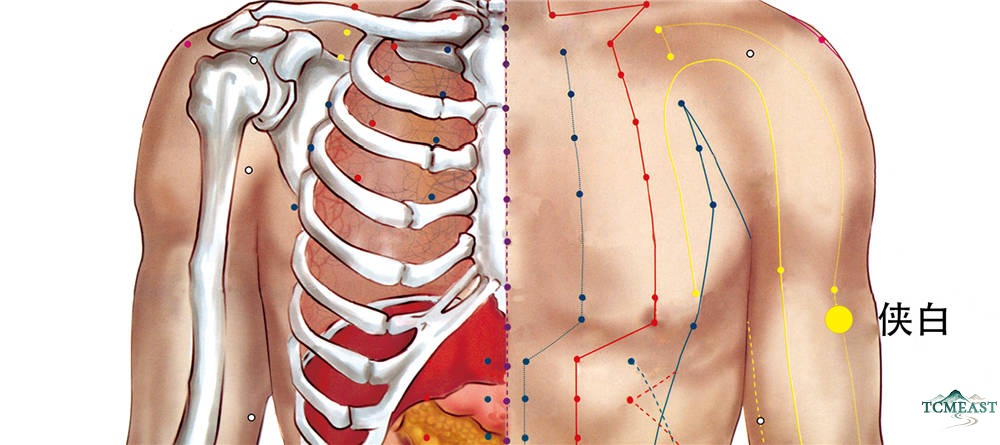
Xiabai Point (LU-4 / Embracing White)
Discover the exact location and acupressure method for Xiabai (LU-4 / Embracing White). Learn its benefits for cough, wheezing, dry retching, and intercostal neuralgia, plus classic combinations for lung and nerve conditions.
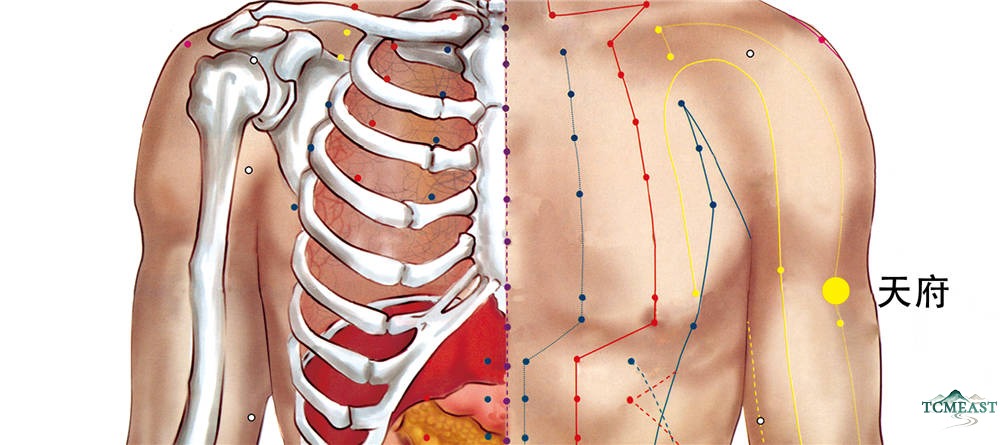
Tianfu Point (LU-3 / Heavenly Mansion)
Discover the exact location and acupressure method for Tianfu (LU-3 / Heavenly Mansion). Learn its benefits for cough, wheezing, nasal congestion, and nosebleeds, plus classic combinations for shoulder pain and throat conditions.
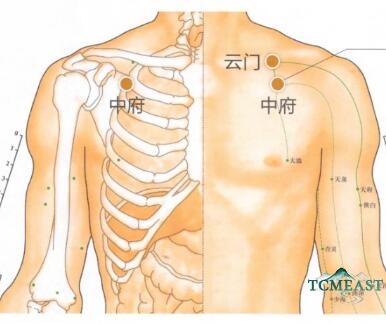
Zhongfu Point (LU-1 / Central Mansion, also known as Yingzhongshu, Fuzhongshu, Guimen)
Discover the exact location and acupressure method for Zhongfu (LU-1 / Central Mansion). Learn its benefits for bronchitis, chest tightness, asthma, and tuberculosis, plus classic combinations for cough and frozen shoulder.
