Autumn
White Dew
Sep 7–22
White Dew (Bailu) is the fifteenth solar term of the twenty‑four solar terms, and the third solar term of autumn. The sun reaches the celestial longitude of 165°. Its name comes from the explanation that “autumn belongs to metal, and the color of metal is white; yin qi gradually intensifies, and dew condenses and appears white.” This article explains its climatic characteristics (the end of summer heat, the growth of cold qi, and a significant diurnal temperature difference), its phenological significance, and the health‑preservation reminder that “in the White Dew season, do not expose your body.” It also introduces traditional folk customs such as offering sacrifices to Yu the Great, brewing five‑grain wine, and drinking White Dew tea. White Dew is an important juncture when the weather turns cool and the atmosphere of autumn deepens.
White Dew (Bailu) is the fifteenth of the “Twenty-Four Solar Terms” and the third solar term of autumn, marking the end of the shen month and the beginning of the you month in the sexagenary stem-branch calendar. It occurs when the Big Dipper points to the celestial stem geng and the sun reaches the ecliptic longitude of 165°, typically falling on September 7–9 in the Gregorian calendar. White Dew is a key solar term reflecting the intensification of cold air in the natural world. As cold air shifts from defense to offense, daylight hours still carry the warmth of sunshine, but temperatures drop rapidly after dusk, and the diurnal temperature range progressively widens.
By the time of White Dew, the summer monsoon is gradually replaced by the winter monsoon. Cold air goes on the offensive, and with the point of direct solar incidence moving southward, daylight hours in the Northern Hemisphere shorten, sunlight intensity weakens, and heat dissipates rapidly from the ground through radiation — hence the pace of temperature decline accelerates. White Dew fundamentally brings an end to the oppressive, muggy heat of summer; the weather gradually cools, and as cold intensifies, dew condenses. The ancients matched the four seasons with the Five Elements: autumn corresponds to the element metal, whose associated color is white; using “white” to describe autumn dew gives the name “Bailu” (White Dew).
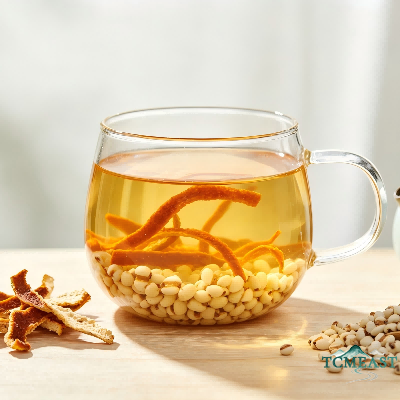
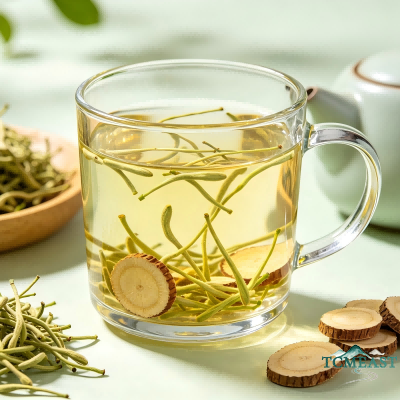
According to the “pentad average temperature” standard proposed by the modern scholar Zhang Baokun, when the pentad average temperature falls between 10°C and 22°C, it indicates spring or autumn. By this standard, from the White Dew solar term onward, regions across China progressively enter autumn. A folk proverb cautions: “At White Dew, do not bare your body.” This means the weather has turned austere, and it is time to take out and wear proper clothing — a reminder that while daytime remains warm, the mornings and evenings already carry a chill, and going shirtless risks catching cold. Additionally, this period calls for prevention against autumn dryness. Folk customs during White Dew vary by region but chiefly include offering sacrifices to Yu the Great, brewing five-grain wine, and drinking White Dew tea.