Small Intestine Meridian of Hand-Taiyang (SI)
The Small Intestine Meridian of Hand-Taiyang is a meridian that possesses the functions of calming the mind and tranquilizing the spirit, and relaxing the sinews and activating the collaterals. Massaging the acupoints along this meridian can dredge the meridian qi and relieve fatigue. The Small Intestine Meridian originates from the ulnar aspect of the tip of the little finger. Finally, via its branch, it reaches the zygomatic region, where it connects with the Bladder Meridian of Foot-Taiyang. It mainly travels through the upper limb, the shoulder, and parts of the head.
Active Hours
Wei hour, Small Intestine Meridian
Functions
The Lingshu (Spiritual Pivot), in the chapter "Meridians" (Jing Mai), records: "The Small Intestine Meridian of Hand-Taiyang governs disorders of the 'fluids' (ye): deafness, yellow eyes, swelling of the cheek, and pain along the posterior border of the lateral aspect of the neck, jaw, shoulder, upper arm, elbow, and forearm."
Related Conditions
Visceral patterns (Zang-fu symptoms): When the Small Intestine Meridian is obstructed, symptoms such as vexation, oppression in the chest, bearing-down pain and heaviness in the vertex, urinary blockage (anuria), reddish-yellow urine, hernia, lower back pain, and incessant night sweats may occur. Meridian patterns (Jing-luo symptoms): When this meridian is affected by pathological changes, there may be sore throat, deafness, otitis media, eye pain, swelling of the lower jaw, stiff neck (torticollis), headache, tonsillitis, insomnia, shoulder pain, lumbar sprain, and pain in the shoulder and along the posterior-medial aspect of the upper limb where the meridian passes, among other symptoms.
Daily Care
The small intestine separates the clear from the turbid. It directs body fluids to the bladder, transmits waste to the large intestine, and transports the refined essence to the spleen. During the Wei hour (1:00–3:00 p.m.), it adjusts and distributes the nutrients absorbed throughout the day. Therefore, lunch must be finished before 1:00 p.m. so that the nutrients can be fully absorbed when the small intestine is at its most vigorous. Otherwise, they will be wasted. After lunch, the Wei hour is exactly when the Small Intestine Meridian is in command. Massaging the acupoints along the meridian’s pathway with appropriate force yields the best results. For the shoulder region, you can ask someone to help with the massage. Each session of about 10 minutes is sufficient.
Acupoints
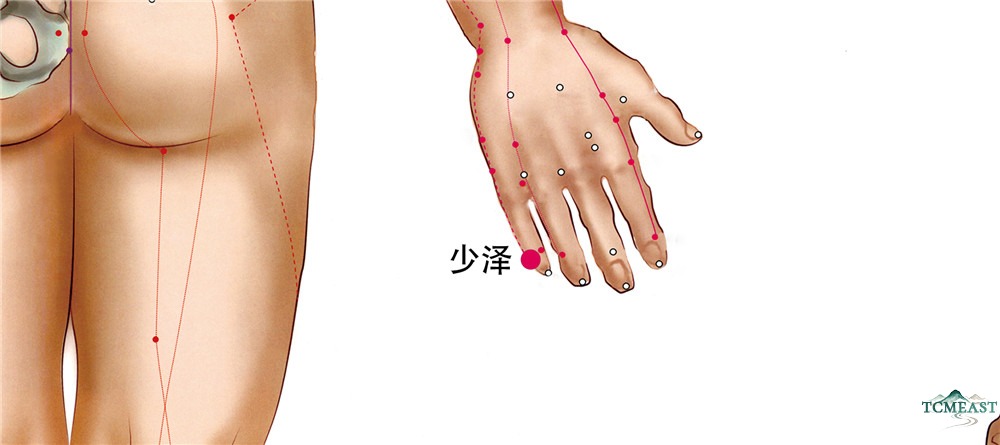
Shaoze Point (SI-1 / Small Marsh, also known as Xiaoji, Xiaojie)
Discover the exact location and acupressure method for Shaoze (SI-1 / Small Marsh). Learn its benefits for promoting lactation, treating sore throat, febrile diseases, and emergency conditions – the Small Intestine Jing-Well point – plus classic combinations for comprehensive treatment.
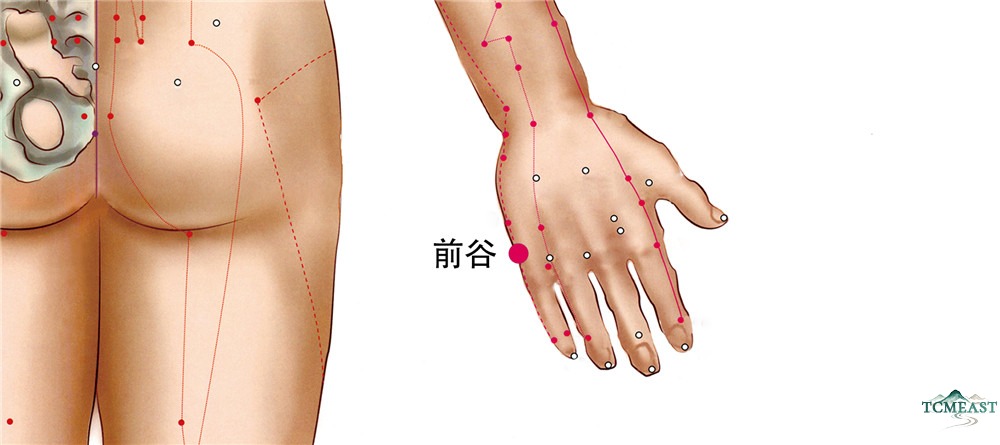
Qiangu Point (SI-2 / Front Valley)
Discover the exact location and acupressure method for Qiangu (SI-2 / Front Valley). Learn its benefits for head and neck pain, stiff neck, arm pain, febrile diseases, and epilepsy, plus classic combinations for tinnitus.
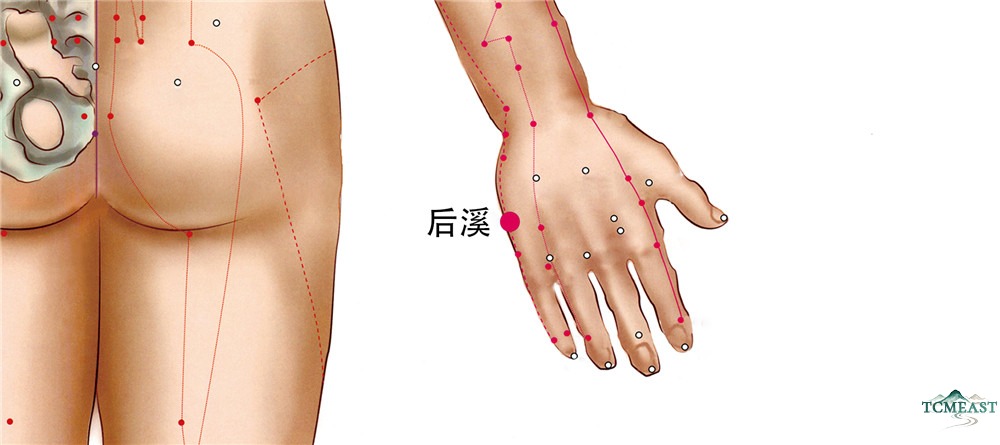
Houxi Point (SI-3 / Back Stream)
Discover the exact location and acupressure method for Houxi (SI-3 / Back Stream). Learn its benefits for cervical spondylosis, frozen shoulder, back pain, acute lumbar sprain, and epilepsy – the Eight Confluent point connecting to the Governor Vessel – plus classic combinations for comprehensive treatment.
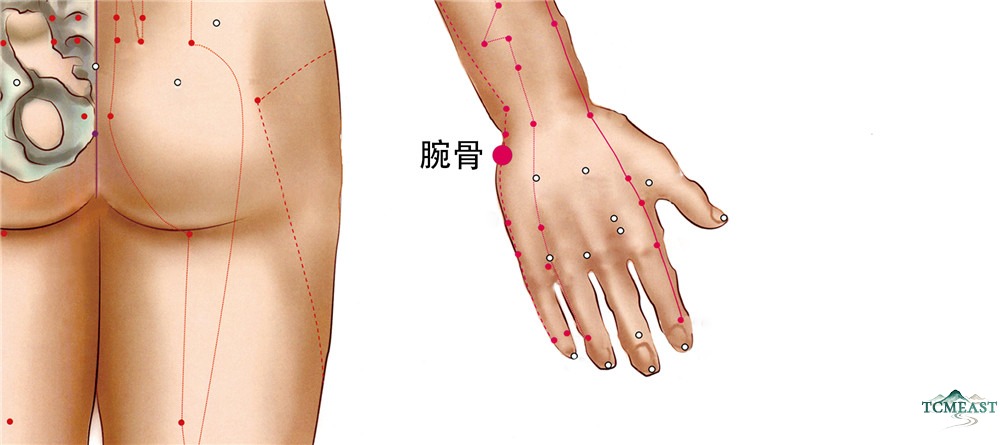
Wangu Point (SI-4 / Wrist Bone)
Discover the exact location and acupressure method for Wangu (SI-4 / Wrist Bone). Learn its benefits for jaundice, diabetes, wrist pain, and stroke sequelae – the Small Intestine meridian Yuan-Source point – plus classic combinations for comprehensive treatment.
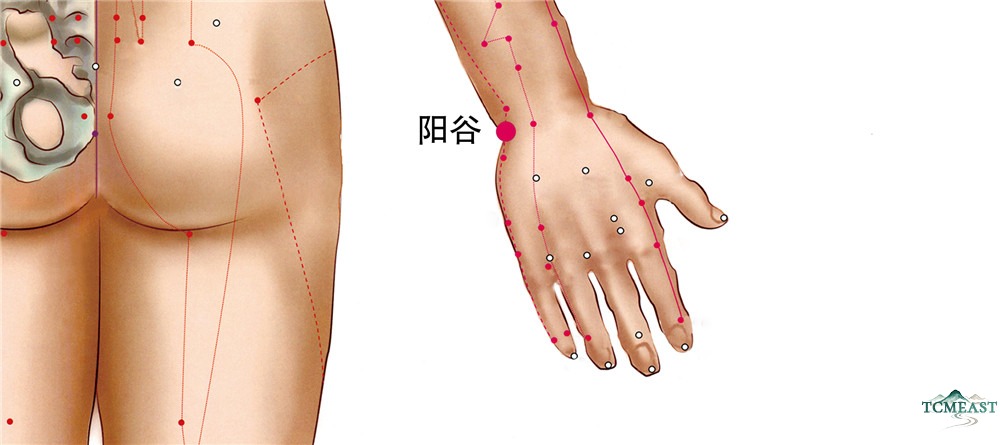
Yanggu Point (SI-5 / Yang Valley)
Discover the exact location and acupressure method for Yanggu (SI-5 / Yang Valley). Learn its benefits for headache, dizziness, tinnitus, febrile diseases, and epilepsy – the Small Intestine Jing-River point for brightening the eyes and calming the spirit.
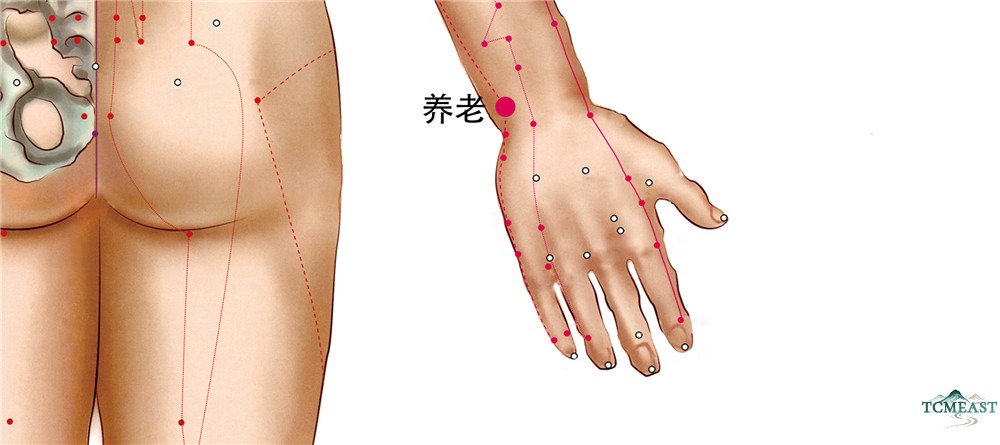
Yanglao Point (SI-6 / Nourishing Elder)
Discover the exact location and acupressure method for Yanglao (SI-6 / Nourishing Elder). Learn its benefits for presbyopia, blurred vision, stiff neck, acute lumbar pain, and hiccups – the Small Intestine Xi-Cleft point for geriatric conditions – plus classic combinations for comprehensive treatment.
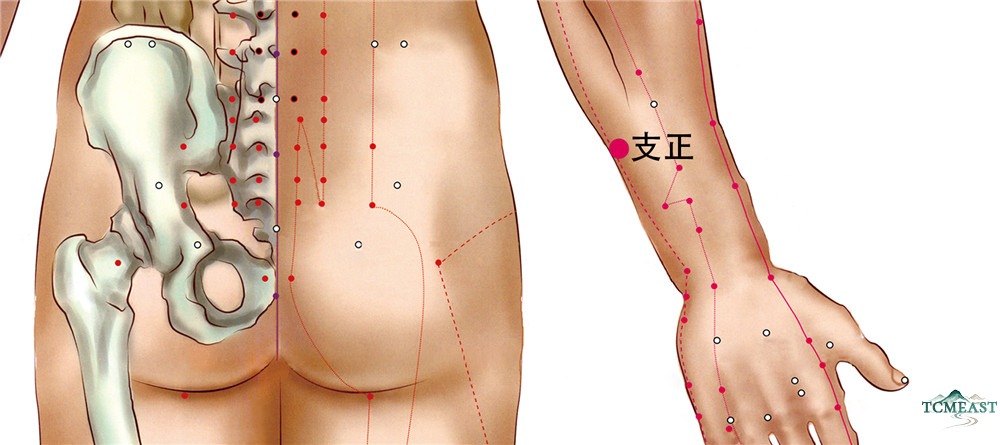
Zhizheng Point (SI-7 / Branch Correcting)
Discover the exact location and acupressure method for Zhizheng (SI-7 / Branch Correcting). Learn its benefits for lumbar and back pain, limb weakness, and forearm pain – the Small Intestine Luo-Connecting point – plus classic combinations for melasma.
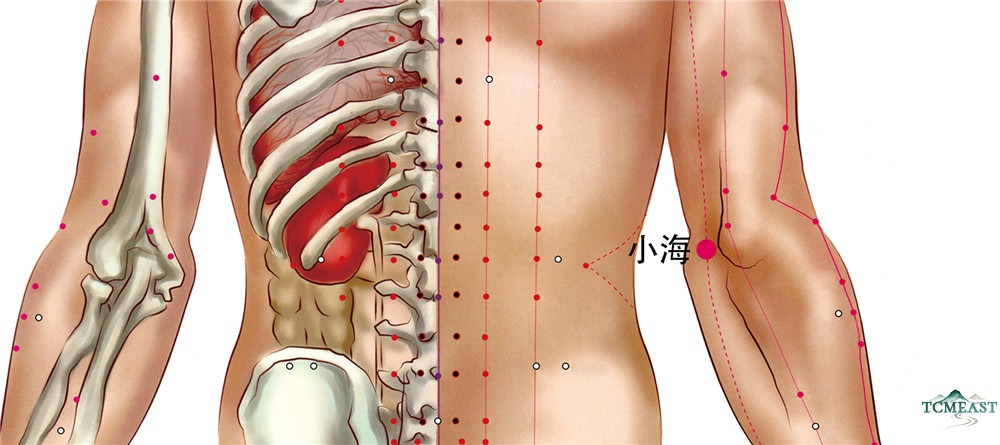
Xiaohai Point (SI-8 / Small Sea)
Discover the exact location and acupressure method for Xiaohai (SI-8 / Small Sea). Learn its benefits for gingivitis, elbow-arm pain, epilepsy, and headache – the Small Intestine He-Sea point for clearing heat and calming the spirit – plus classic combinations for comprehensive treatment.
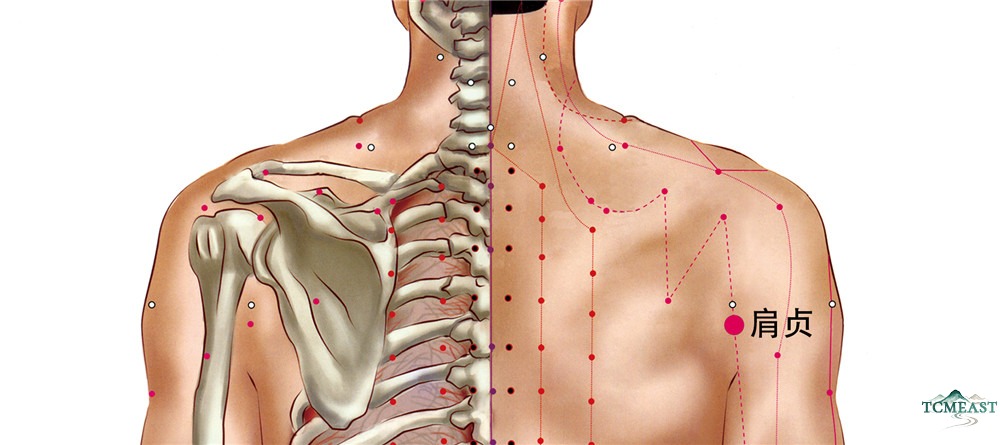
Jianzhen Point (SI-9 / Shoulder Firmness)
Discover the exact location and acupressure method for Jianzhen (SI-9 / Shoulder Firmness). Learn its benefits for shoulder-arm pain, frozen shoulder, upper limb immobility, and tinnitus – plus classic combinations for comprehensive treatment.
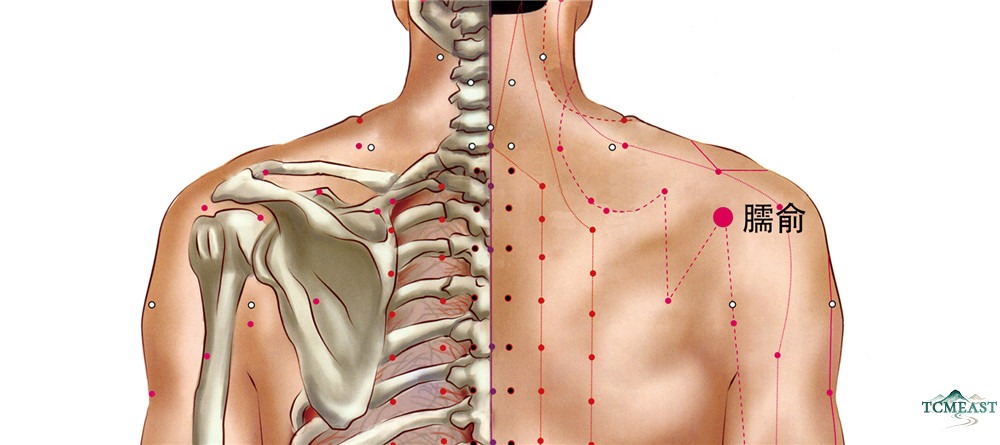
Naoshu Point (SI-10 / Upper Arm Shu)
Discover the exact location and acupressure method for Naoshu (SI-10 / Upper Arm Shu). Learn its benefits for shoulder-arm pain, shoulder swelling, cervical scrofula, and frozen shoulder – the meeting point of Small Intestine, Yang Qiao, and Yang Wei – plus classic combinations for acute mastitis.
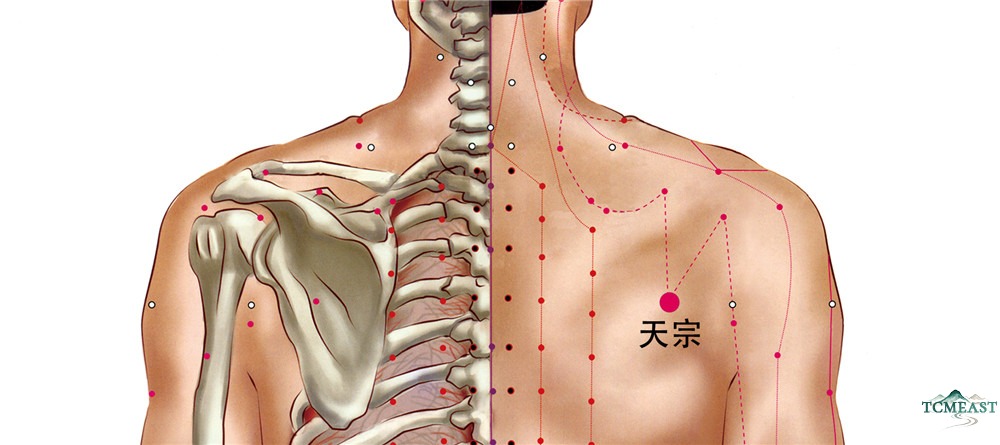
Tianzong Point (SI-11 / Heavenly Ancestor)
Discover the exact location and acupressure method for Tianzong (SI-11 / Heavenly Ancestor). Learn its benefits for frozen shoulder, cervical pain, mastitis, breast hyperplasia, and lactation disorders – the Small Intestine Shu-Stream point – plus classic combinations for comprehensive treatment.
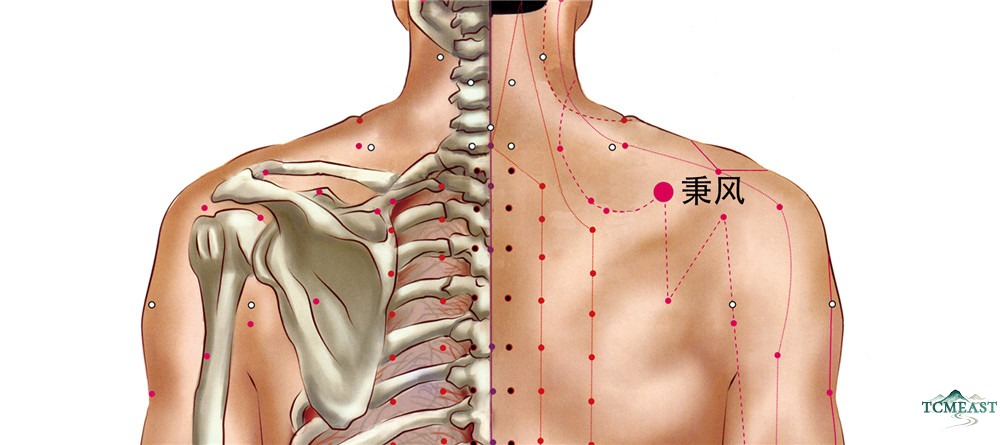
Bingfeng Point (SI-12 / Grasping Wind)
Discover the exact location and acupressure method for Bingfeng (SI-12 / Grasping Wind). Learn its benefits for scapular pain, shoulder and back pain, and upper limb immobility – the meeting point of Small Intestine, Sanjiao, and Gallbladder – plus classic combinations for comprehensive treatment.
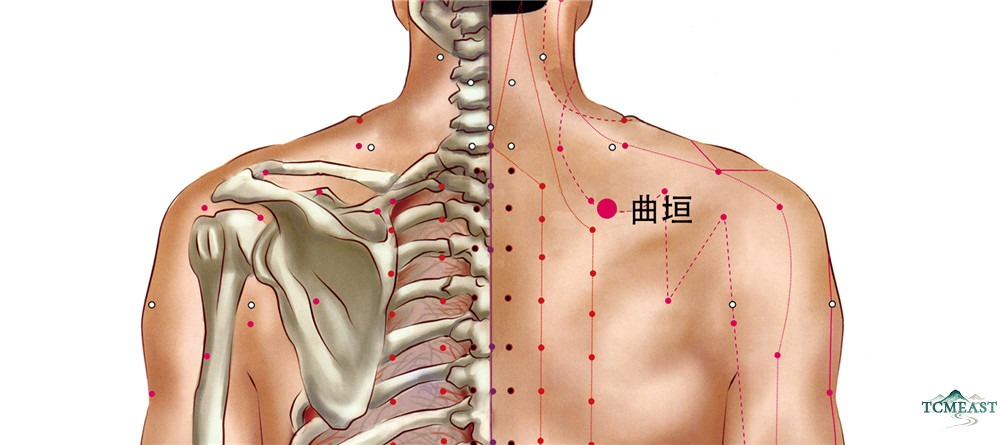
Quyuan Point (SI-13 / Curved Wall)
Discover the exact location and acupressure method for Quyuan (SI-13 / Curved Wall). Learn its benefits for scapular pain, shoulder and back pain, and upper limb numbness – plus classic combinations for comprehensive treatment.
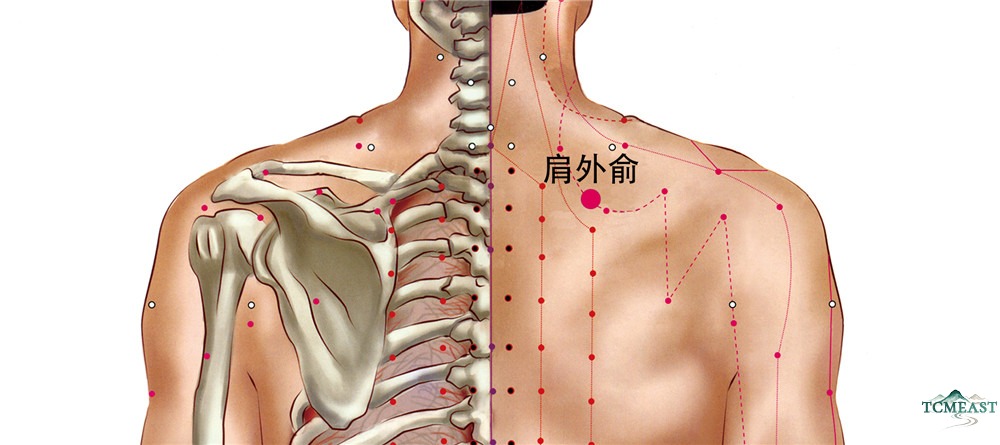
Jianwaishu Point (SI-14 / Outer Shoulder Shu)
Discover the exact location and acupressure method for Jianwaishu (SI-14 / Outer Shoulder Shu). Learn its benefits for shoulder and back pain, stiff neck, and cold upper limb pain – plus classic combinations for comprehensive treatment.
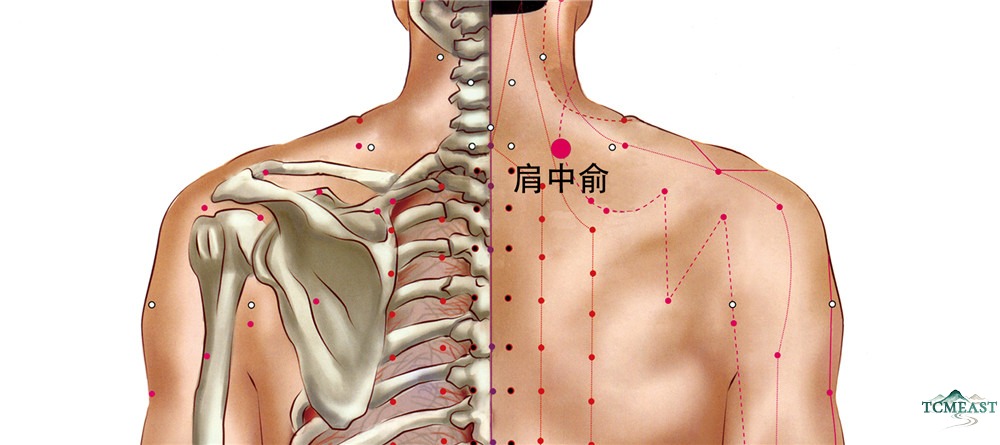
Jianzhongshu Point (SI-15 / Middle Shoulder Shu)
Discover the exact location and acupressure method for Jianzhongshu (SI-15 / Middle Shoulder Shu). Learn its benefits for shoulder and back pain, stiff neck, cough, wheezing, and blurred vision – plus classic combinations for bronchial asthma and frozen shoulder.
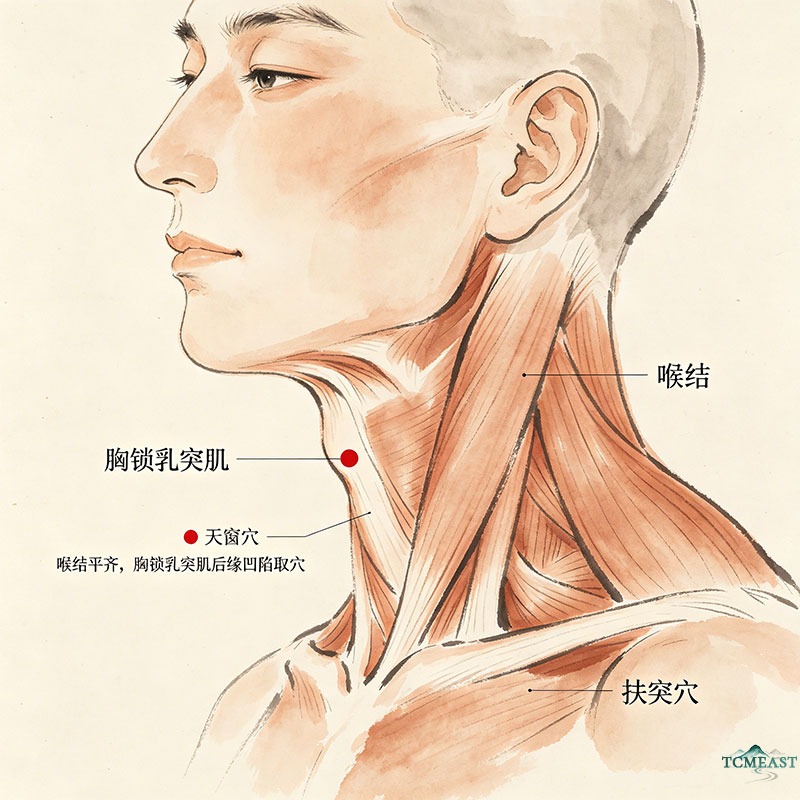
Tianchuang Point (SI-16 / Heavenly Window, also known as Chuanglong)
Discover the exact location and acupressure method for Tianchuang (SI-16 / Heavenly Window). Learn its benefits for sore throat, sudden loss of voice, and stiff painful neck – plus classic combinations for comprehensive treatment.
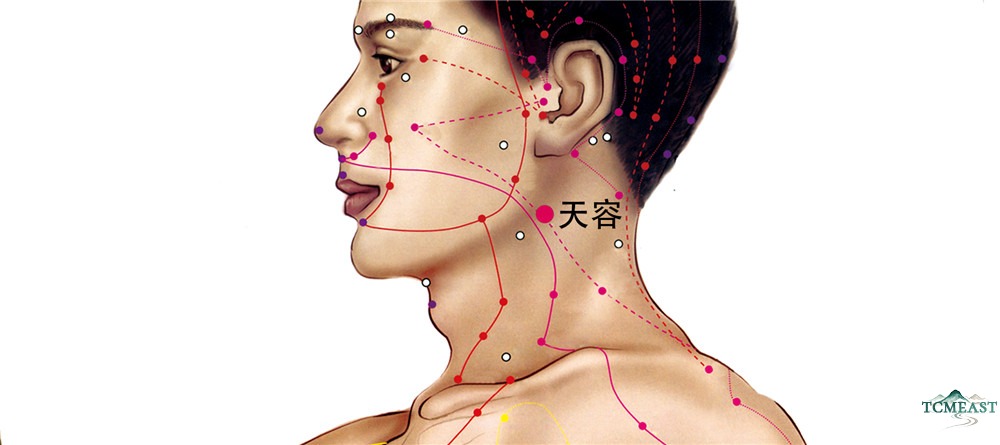
Tianrong Point (SI-17 / Heavenly Countenance)
Discover the exact location and acupressure method for Tianrong (SI-17 / Heavenly Countenance). Learn its benefits for sore throat, head and neck swellings, stiff neck, and sudden loss of voice – plus classic combinations for comprehensive treatment.
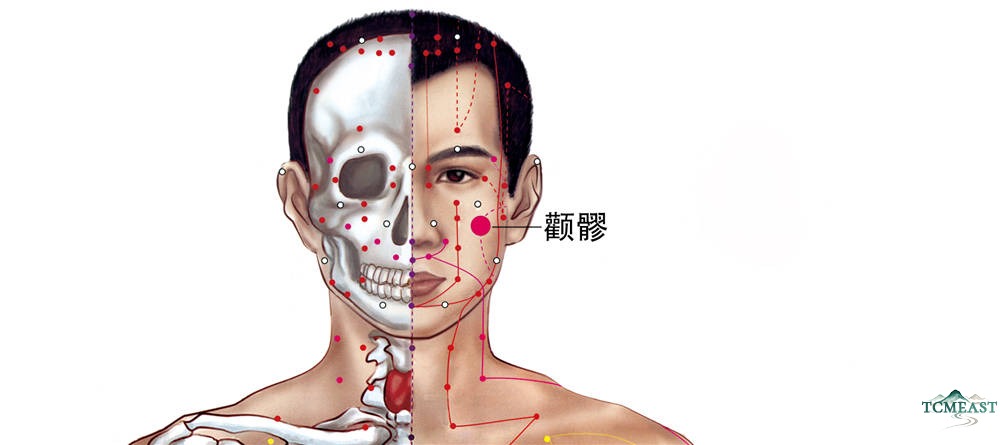
Quanliao Point (SI-18 / Cheekbone Crevice, also known as Duigu, Duiduan)
Discover the exact location and acupressure method for Quanliao (SI-18 / Cheekbone Crevice). Learn its benefits for facial pain, trigeminal neuralgia, facial paralysis, and eyelid twitching – the meeting point of Small Intestine and Sanjiao – plus classic combinations for comprehensive treatment.
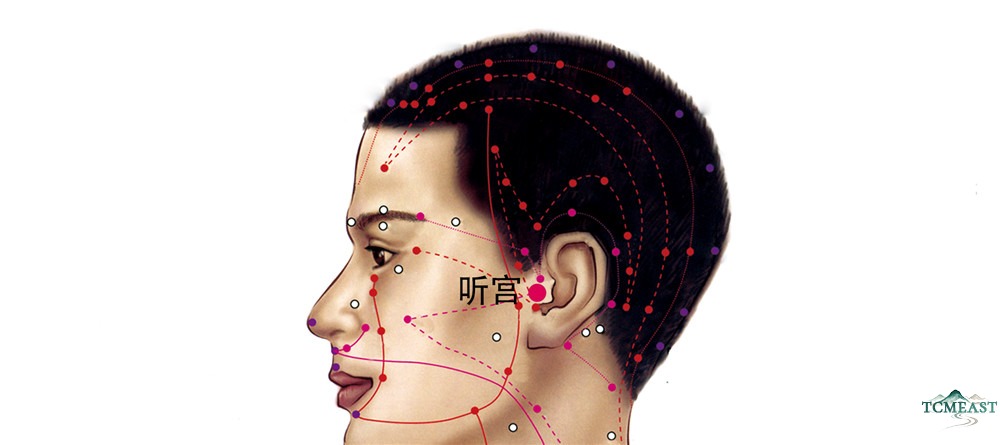
Tinggong Point (SI-19 / Hearing Palace, also known as Duosuowen, Chuanglong, Erzhong)
Discover the exact location and acupressure method for Tinggong (SI-19 / Hearing Palace). Learn its benefits for tinnitus, deafness, otitis media, toothache, and trigeminal neuralgia – the key point for ear disorders – plus classic combinations for comprehensive treatment.