Spring
Rain Water
Feb 18–Mar 4
Rain Water (Yushui) is the second solar term of the twenty‑four solar terms, marking the arrival of the sun at the celestial longitude of 330°. It signifies the beginning of rainfall and a gradual increase in precipitation. This article details its climatic characteristics (sudden warmth interspersed with returning cold, frequent cold waves), the phenological phenomena of the three pentads (otters display fish, wild geese arrive, grasses and trees begin to sprout), and folk customs such as “Mending the Sky” (eating pancakes to commemorate Nüwa repairing the sky) and “La Baobao” (pulling a godparent to protect children). It is a farming signal that spring returns to the earth and nourishes all things silently.
Rain Water (Yushui) is the second of the twenty-four solar terms. It occurs when the Big Dipper points to the celestial stem ren and the sun reaches the ecliptic longitude of 330°, typically falling on February 18–20 in the Gregorian calendar. The meaning of the Rain Water solar term is the onset of rainfall, with precipitation mostly consisting of light rain or drizzle. Adequate precipitation is vital for the growth of crops, making this term a reflection of agricultural culture's sensitivity to seasonal rhythms. Entering the Rain Water period, China's northern regions have not yet felt the breath of spring, while most southern areas are already brimming with early spring scenery.
The Rain Water period generally begins around February 18–20 and ends around March 4 or 5. During this time, the direct point of the sun's rays gradually moves from the Southern Hemisphere toward the Equator. In the Northern Hemisphere, both the duration and intensity of sunshine increase, and temperatures rise relatively quickly. Warm, moist air masses from the ocean begin to stir and progressively push northward, encountering cold air and forming precipitation. During Rain Water, the weather is highly variable; it is one of the periods throughout the year with the most frequent cold wave processes — now cold, now hot, abruptly warm and then cold again.
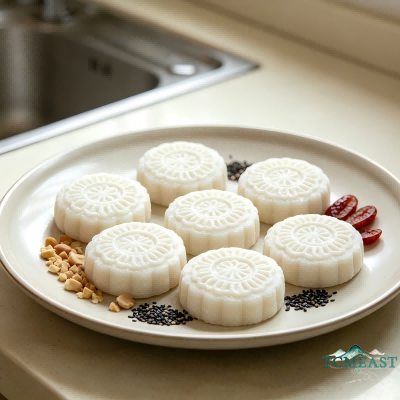
Spring cannot do without the nourishment of rain. Spring rain moistens all things silently, enabling withered trees to meet the spring and seeds to germinate. In ancient times, Rain Water was divided into three pentads: “In the first pentad, otters sacrifice fish; in the second pentad, wild geese arrive; in the third pentad, plants and trees begin to sprout.” Rain Water falls within the “seven nines” of the traditional “counting the nine nines” cold season, when river ice breaks and wild geese begin their northward migration. Folk customs associated with Rain Water mainly include “mending the sky” (butianchuan), “labaobao” (securing a godparent for children), and “zhuangbaiji” (bowing to a chance encounter to secure a protective bond).