Autumn
Beginning of Autumn
Aug 7–22
Start of Autumn (Liqiu) is the thirteenth solar term of the twenty‑four solar terms. The sun reaches the celestial longitude of 135°. Its name means “the grain ripens,” and it marks the beginning of autumn. This article explains in detail its historical origins (the Son of Heaven’s ceremony to welcome autumn in the Zhou Dynasty, and the custom of announcing autumn when a parasol tree leaf fell during the Song Dynasty), the climatic turning point (yang qi gradually recedes, summer heat slowly dissipates, precipitation tends to decrease), and traditional folk customs such as “fleshing out in autumn” (putting on weight with nourishing food), “biting the autumn” (eating watermelon or peaches to ward off dryness), and offering sacrifices to the Earth God. It is a harvest season when all things transition from luxuriance to maturity.
Beginning of Autumn (Liqiu) is the thirteenth of the “Twenty-Four Solar Terms” and the beginning of autumn. The Big Dipper points to the southwest and the sun reaches the ecliptic longitude of 135°, falling on August 7, 8, or 9 of the Gregorian calendar each year. “Li” means “beginning”; “Qiu” signifies the ripening of grain crops.
The “Twenty-Four Solar Terms” originated in the Yellow River basin and are a product of ancient agricultural civilization. The ancients regarded Liqiu as an important annual festival marking the transition from summer to autumn, and they consistently placed great importance on this solar term. As far back as the Zhou dynasty, on the day of Liqiu, the Son of Heaven would personally lead the three ducal ministers, the nine ministers, the feudal lords, and the grand masters to the western suburbs to welcome autumn and conduct sacrificial rites. The Eastern Han text Simin Yueling (Monthly Ordinances for the Four Classes of People) by Cui Shi records: “If autumn begins in the morning, it will be chilly; if autumn begins at night, the heat will persist to the end.” According to historical records, during the Song dynasty, on the day of Liqiu, a potted parasol tree was moved into the palace hall. When the exact moment of “Beginning of Autumn” arrived, the Grand Astrologer would announce it in a loud voice. Thereupon, the parasol tree would respond by shedding one or two leaves, signifying the announcement of autumn.
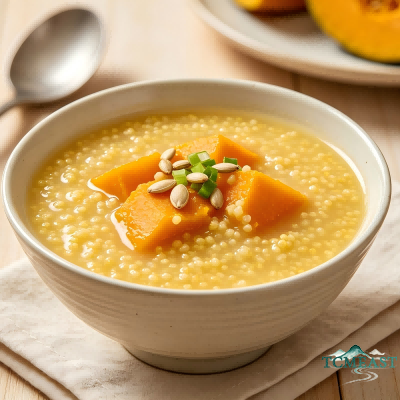
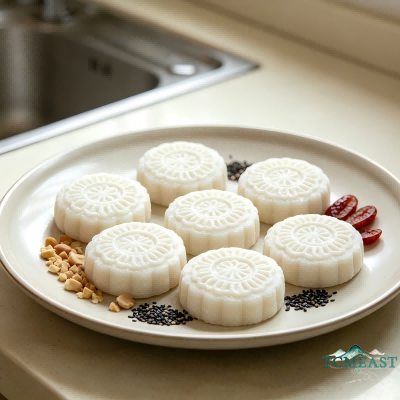
Liqiu is the third hottest solar term among the twenty-four, surpassed only by Greater Heat and Lesser Heat. In the sequence of solar terms, Chushu (End of Heat) comes after Liqiu; it is only at Chushu (the “end of heat”), the second solar term of autumn, that the summer heat truly recedes. The transformation of the natural world is a gradual process: Liqiu is the turning point where yang qi gradually retreats and yin qi gradually grows, marking the shift from yang predominance to yin predominance. In nature, all things begin to transition from luxuriant growth toward maturity. Liqiu signifies that precipitation and humidity have reached a turning point in the year and begin to diminish or decline. From Liqiu onward, yang qi gradually draws inward, and all things turn inward to consolidate. Liqiu, together with Lichun, Lixia, and Lidong, are called the “Four Beginnings,” and it was also one of the “Four Seasons and Eight Festivals” in ancient times. Autumn is the season when grain ripens and harvests are gathered. At Liqiu, the common people in ancient times had the custom of offering sacrifices to the Earth God to celebrate the harvest. Other customs include “pasting on autumn fat” (tie qiubiao) and “biting the autumn” (yao qiu).