Winter
Minor Cold
Jan 5–19
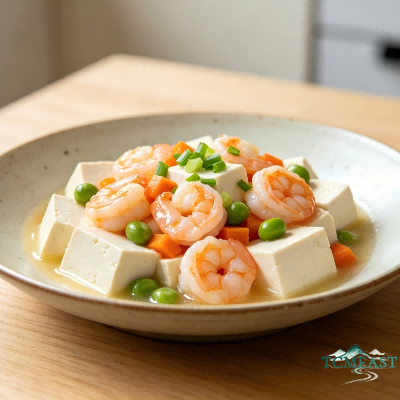
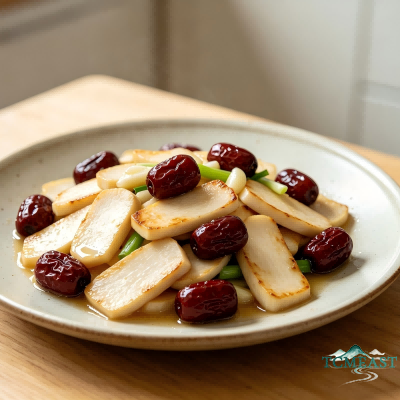
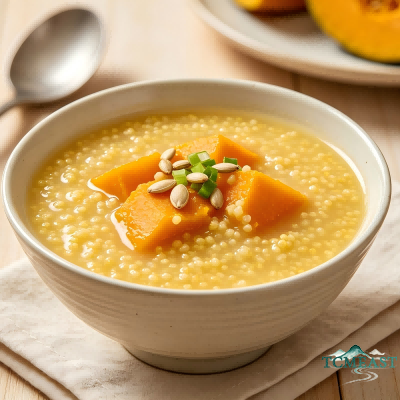
Minor Cold (Xiaohan) is the twenty‑third solar term of the twenty‑four solar terms, and the fifth solar term of winter. The sun reaches the celestial longitude of 285°. Its name means “the cold is still minor, and has not yet reached its extreme.” This article explains its climatic characteristics (a sharp temperature difference between the north and south; in the north, the residual heat in the ground has dissipated completely, resulting in the coldest conditions), the phenological phenomena of its three pentads (wild geese begin to fly north, magpies start to build nests, pheasants begin to crow), and folk customs such as preparing New Year goods, ice sports (bingxi), and seeking plum blossoms (tanmei). It also reminds that dietary adjustments during this time should focus on warming and tonifying to resist the cold. Minor Cold is the prelude to the coldest period of the year.
Minor Cold (Xiaohan) is the twenty-third of the twenty-four solar terms and the fifth solar term of winter, marking the end of the zi month and the beginning of the chou month in the sexagenary stem-branch calendar. It occurs when the Big Dipper points to the celestial stem gui and the sun reaches the ecliptic longitude of 285°, typically falling on January 5–7 in the Gregorian calendar. Like Greater Cold, Lesser Heat, Greater Heat, and End of Heat, it is a solar term that reflects the changes in temperature — from cold to warm and vice versa.
The twenty-four solar terms originated in the Yellow River basin and were largely established by the Warring States period. The Yi Zhou Shu·Shixun Jie (Lost Book of Zhou: Explanation of Seasonal Phenomena) records: “On the day of Minor Cold, wild geese turn northward. Five days later, magpies begin to build their nests. Another five days later, pheasants begin to crow.” These describe the typical phenological signs of the Minor Cold season. The Huainanzi·Tianwen Xun (The Huainan Masters: An Explanation of the Celestial Patterns) contains detailed records of Minor Cold. The Yueling Qishier Hou Jijie (Collected Explanations of the Seventy-Two Pentads of the Monthly Ordinances) states: “Minor Cold is the solar term of the twelfth month. At the beginning of the month, the cold is still minor, hence the name. By the middle of the month, the cold becomes great,” explaining the origin of the name.
Cold accumulates over time until it becomes frigid. The defining characteristic of the Minor Cold solar term is coldness, yet the cold has not yet reached its extreme. During Minor Cold, the temperature difference between the north and south of China is vast. In northern China, Minor Cold is actually colder than Greater Cold. This is because the “residual heat” stored in the ground surface is relatively minimal and, by the time of Minor Cold, has already been nearly entirely released, causing temperatures to drop to their lowest point. The average temperature in Beijing at this time is around -5°C, while in the northernmost parts of Northeast China, the average temperature drops as low as approximately -30°C. In contrast, along the Qinling–Huaihe River line, the average temperature is around 0°C. South of this line, there is no longer seasonally frozen soil, and winter crops do not have a pronounced overwintering period. In the southern regions, the ground surface is relatively warmer, and its “residual heat” has not yet been fully released by the time of the Minor Cold solar term. The ancients summarized three phenological signs for the Minor Cold solar term: wild geese head north; magpies begin to build nests; pheasants begin to crow. That is, the wild geese sense the stirring of spring in the north and prepare to migrate back toward their homeland; magpies spend a long time building their nests in preparation for incubating eggs and raising chicks the following year; and pheasants, sensing the stirring of yang qi, begin to emit their calls welcoming spring. During the Minor Cold season, people observe traditional customs such as preparing New Year goods, enjoying ice games, and seeking out plum blossoms. At this time, dietary regulation and nourishment should be warming and tonifying, with an emphasis on gentle supplementation.