

Summer
Lesser Heat
Jul 7–22
Minor Heat (Xiaoshu) is the eleventh solar term of the twenty‑four solar terms, and the fifth solar term of summer. The sun reaches the celestial longitude of 105°, and the name means "lesser heat," marking the beginning of late summer. This article explains its climatic characteristics (frequent thunderstorms, the onset of the dog days with humid heat), its impact on farming (the simultaneous heat and rain benefit crops), and folk customs across the north and south such as "eating the new harvest" (tasting newly harvested rice), eating dumplings on the first day of the dog days, and eating mutton during the dog days. It is a prelude solar term to the approaching scorching heat.
Lesser Heat (Xiaoshu) is the eleventh of the twenty-four solar terms, marking the end of the wu month and the beginning of the wei month in the sexagenary stem-branch calendar. It is the fifth solar term of summer, indicating the official start of the late summer season. It occurs when the Big Dipper points to the celestial stem xin and the sun reaches the ecliptic longitude of 105°, typically falling on July 6–8 in the Gregorian calendar. “Shu” means heat; “Xiaoshu” means lesser heat — it is hot but not yet scorching. Although Xiaoshu is not the most sweltering period of the year, it is immediately followed by Greater Heat (Dashu), the hottest solar term. A folk saying goes, “Lesser Heat, Greater Heat — steaming above, boiling below.”
The twenty-four solar terms are specific seasonal markers in the Chinese calendar that indicate the changing natural rhythms and establish the “twelve monthly nodes.” The Yuan dynasty scholar Wu Cheng, in his Yueling Qishier Hou Jijie (Collected Explanations of the Seventy-Two Pentads of the Monthly Ordinances), wrote: “The solar term of the sixth month… ‘Shu’ means heat. Within heat, a distinction is made between lesser and greater: at the beginning of the month it is lesser, in the middle of the month it is greater. At this point the heat qi is still relatively minor.” The ancients considered that during Xiaoshu the year had not yet reached its hottest point, hence the name. From Xiaoshu onward, many parts of China enter the season of greatest thunderstorm frequency, sometimes with hail. In much of the south, drought occurs in the east while waterlogging strikes the west, necessitating early implementation of drought-resistance and flood-control measures to minimize damage. Xiaoshu also marks the beginning of the “fu” days — the so-called “sanfu” or dog days of summer, when “the heat lies in the three fu.” The sanfu period typically falls between Xiaoshu and Chushu (End of Heat), representing the hottest, most humid, and most oppressive stretch of the year. Although Xiaoshu brings scorching sun, high heat, humidity, and abundant rain, from the perspective of crops this synchronized arrival of rain and heat is beneficial for growth.
In the southern regions of China, a folk custom called “eating the new” is practiced during Xiaoshu — after the onset of Lesser Heat, people taste the newly harvested rice. Farmers mill the freshly cut rice, prepare a meal with it, and offer it in sacrifice to the five cereal deities and their ancestors, after which everyone partakes of the new rice wine and dishes. In the northern regions, there is a tradition of eating dumplings on the first fu day. During the dog days, people tend to lose their appetite and often become thinner than usual, a condition commonly known as “bitter summer” (kuxia). Dumplings are an appetizing, satisfying food; moreover, their shape resembles a silver ingot (yuanbao), carrying the meaning of “ingots storing blessings” — eating dumplings thus symbolizes being filled with good fortune. Additional customs include eating fu lamb, eating fu noodles, comforting cattle during Xiaoshu, and airing the dragon robe.

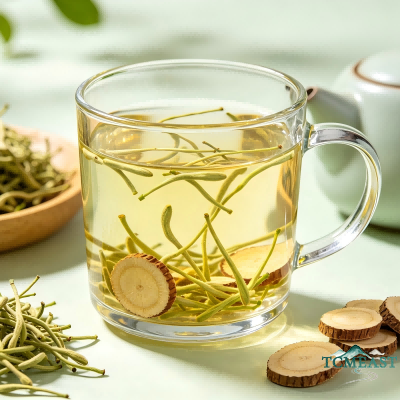
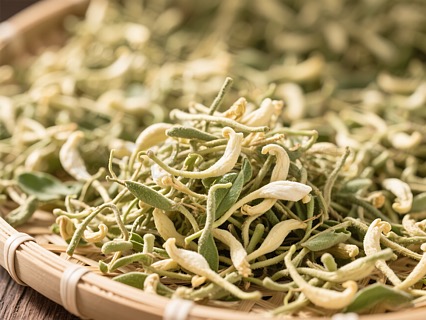
Lonicerae Japonicae Flos
IntroductionJinyinhua (Lonicerae Japonicae Flos) is a commonly used Chinese medicinal herb classified under heat-clearing and toxin-removing medicinals. It consists of the…
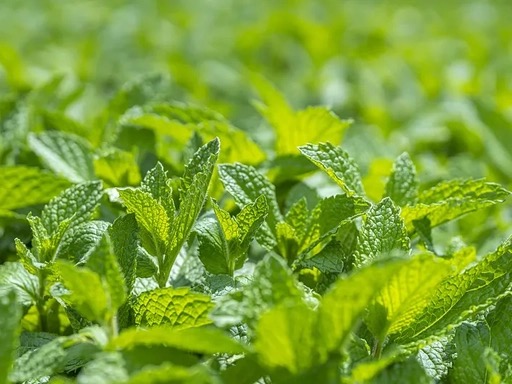
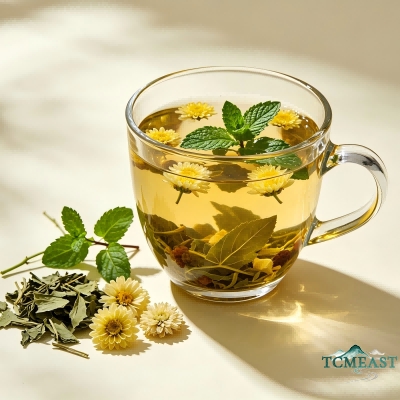
Menthae Herba
IntroductionBoheye (Peppermint Leaf), a Chinese medicinal, is the leaf of Mentha haplocalyx Briq. or cultivated mint (family Lamiaceae).
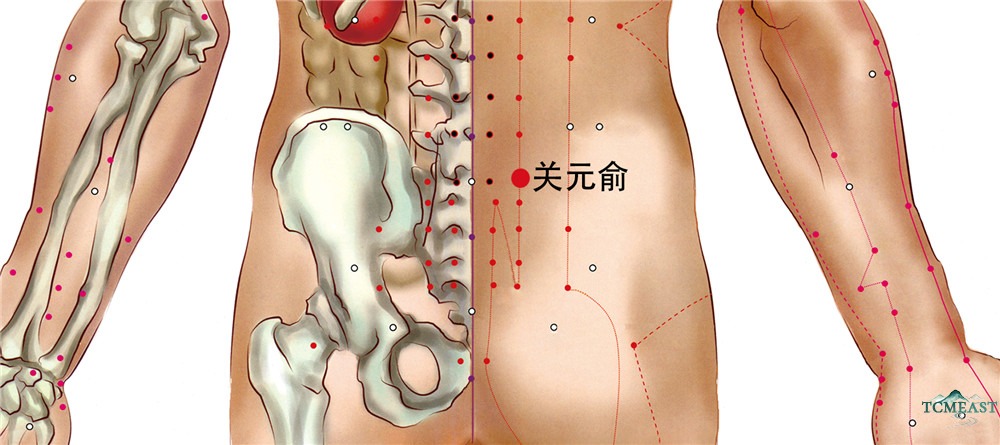
Guanyuanshu Point (BL-26 / Guanyuan Shu, Back Transporting Point of Guanyuan)
Discover the exact location and acupressure method for Guanyuanshu (BL-26 / Back Transporting Point of Guanyuan). Learn its benefits for abdominal distension, diarrhea, constipation, urinary disorders, lumbar pain, and diabetes – plus classic combinations for comprehensive treatment.
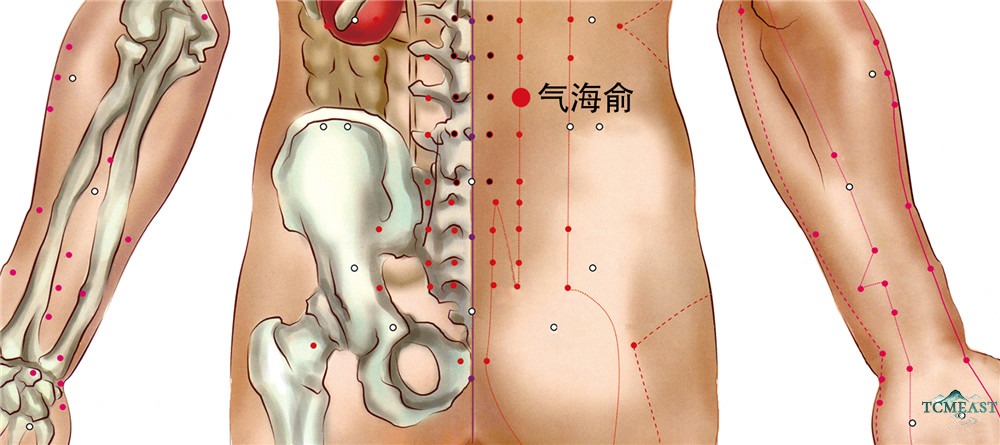
Qihaishu Point (BL-24 / Qi Sea Shu, Back Transporting Point of Qihai)
Discover the exact location and acupressure method for Qihaishu (BL-24 / Qi Sea Shu). Learn its benefits for dysmenorrhea, hemorrhoids, lumbar pain, and reproductive disorders – the Back Transporting Point of Primordial Qi – plus classic combinations for comprehensive treatment.
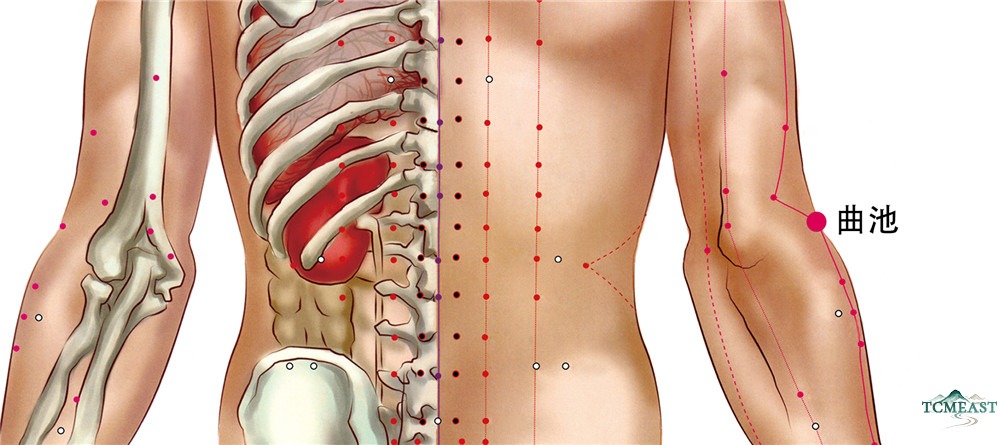
Quchi Point (LI-11 / Pool at the Crook)
Discover the exact location and acupressure method for Quchi (LI-11). Learn its extensive benefits for fever, skin disorders, hypertension, head and facial diseases, and gastrointestinal conditions, plus classic combinations and hypotension precautions.
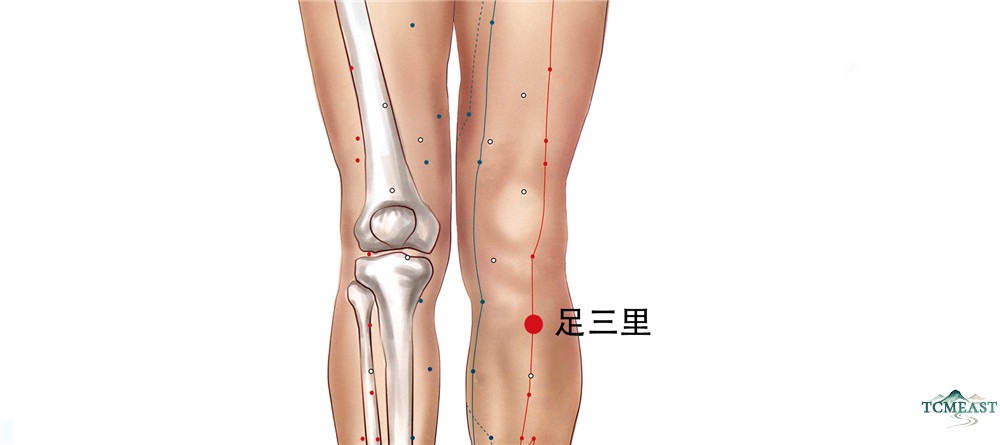
Zusanli Point (ST-36 / Leg Three Li, also known as Xialing and Guixie)
Discover the exact location and acupressure method for Zusanli (ST-36 / Leg Three Li). Learn its benefits for gastrointestinal disorders, lower limb conditions, and health preservation – the primary point for abdominal disorders and the most important point for strengthening the body.
