

Summer
Summer Solstice
Jun 21–Jul 6
Summer Solstice (Xiazhi) is the tenth solar term of the twenty-four solar terms. The sun reaches the celestial longitude of 90°, shining directly over the Tropic of Cancer. In the Northern Hemisphere, it marks the longest day and the highest midday sun altitude. This article explains its astronomical significance (the turning point of the sun’s northward journey, after which days become shorter and nights longer), the ancient sacrificial traditions of the "Four Seasons and Eight Festivals", and summer‑relieving folk customs such as drinking Qing Bu Liang (a cooling and replenishing soup), herbal tea, and sour plum drink. It is an important solar term where celestial time and human culture meet.
Summer Solstice (Xiazhi) is the tenth of the twenty-four solar terms. It occurs when the Big Dipper points to the terrestrial branch wu and the sun reaches the ecliptic longitude of 90°, typically falling on June 20–22 in the Gregorian calendar. On the day of the Summer Solstice, the sun's rays strike directly at their northernmost point on the earth's surface, virtually perpendicular to the Tropic of Cancer. At this time, daylight hours across the Northern Hemisphere reach their annual maximum. For regions on and north of the Tropic of Cancer, the Summer Solstice is also the day of the year when the noon solar altitude is at its highest.
The Summer Solstice marks the turning point of the sun's northward journey. After the Summer Solstice, the point of direct solar incidence begins to move southward from the Tropic of Cancer, and daylight hours in the Northern Hemisphere gradually begin to shorten. For China's territories north of the Tropic of Cancer, the noon solar altitude progressively declines day by day after the Summer Solstice. For China's territories south of the Tropic of Cancer, the noon solar altitude begins to decline day by day only after the sun has returned southward and once again passed directly overhead following the solstice.
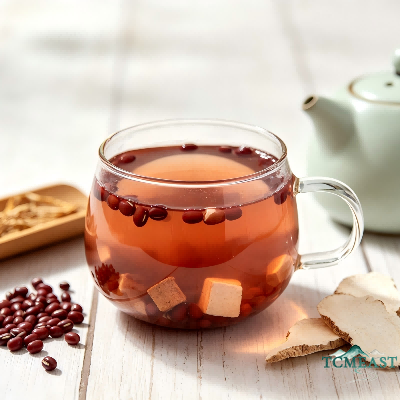
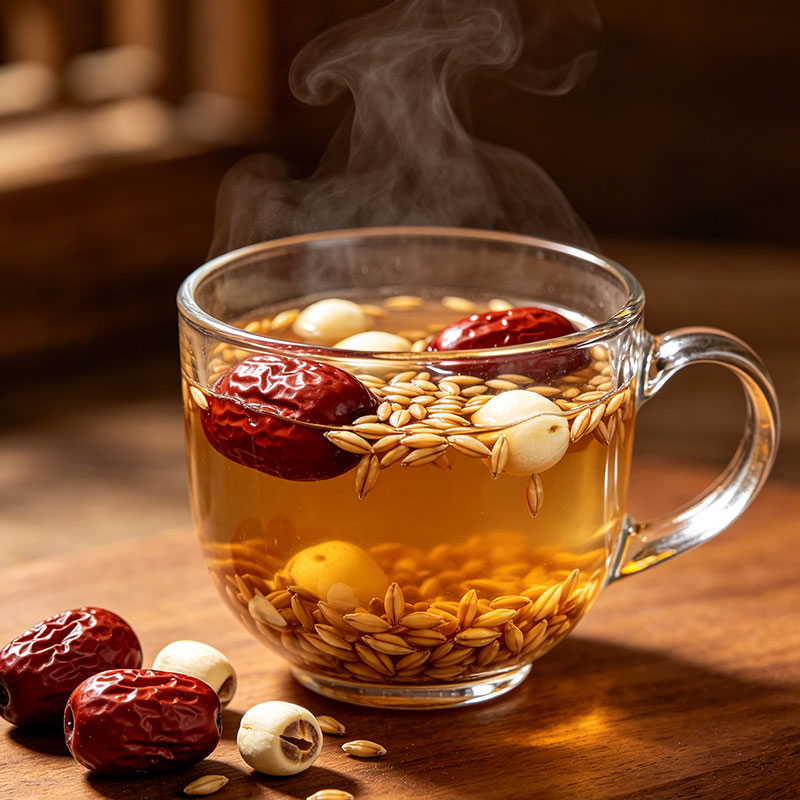
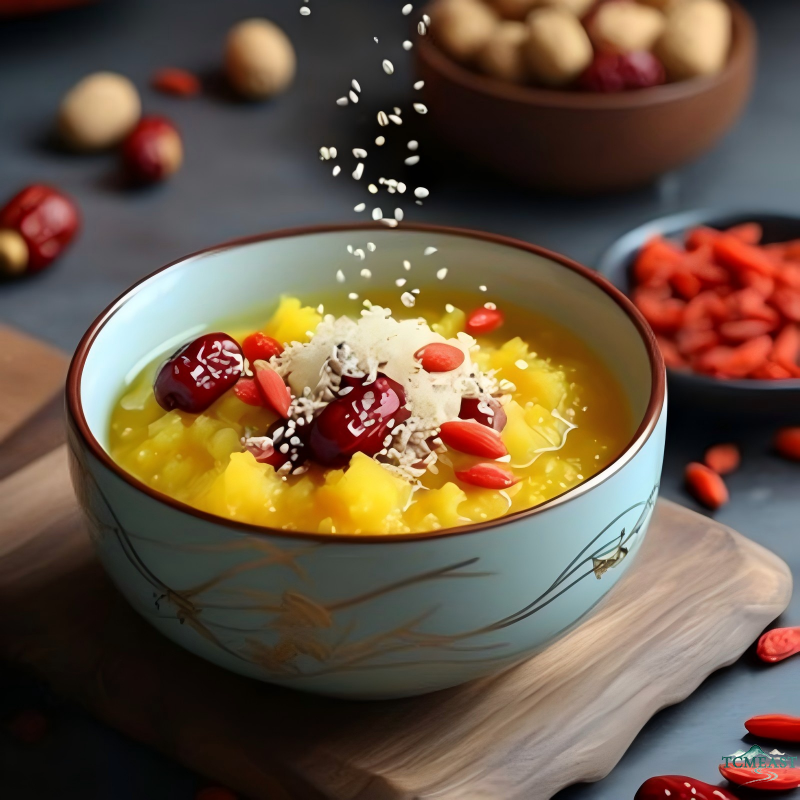
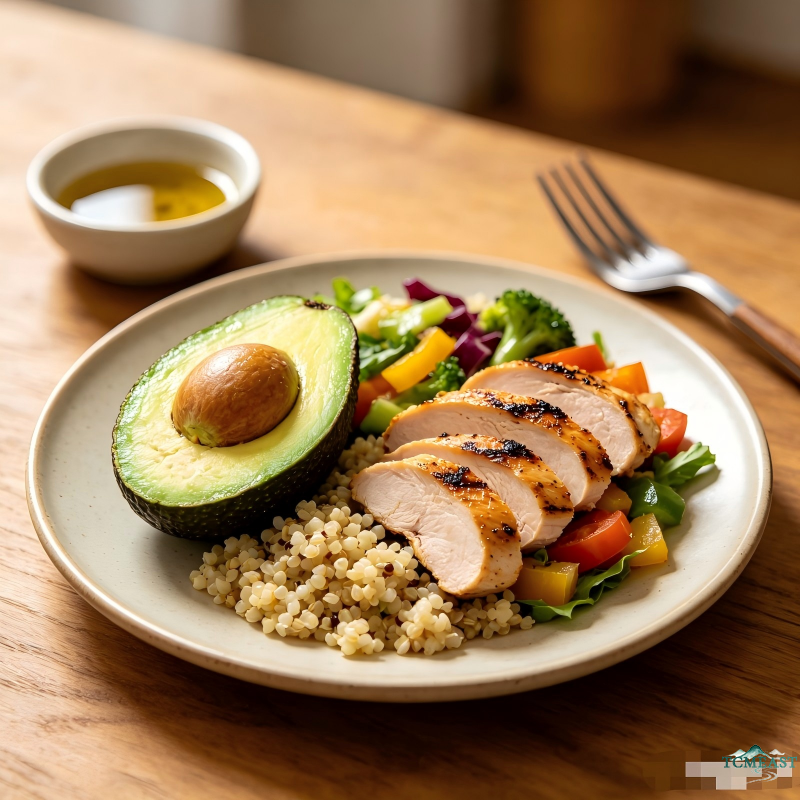
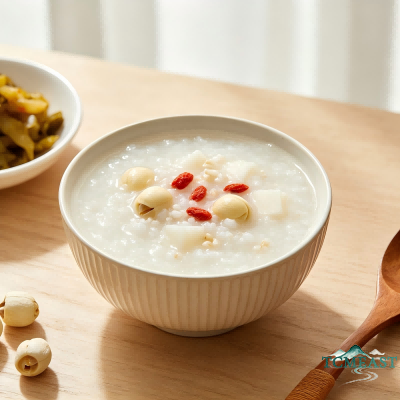
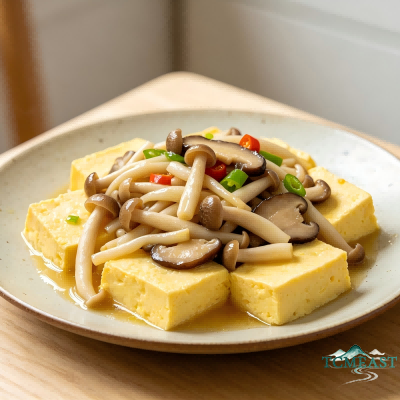
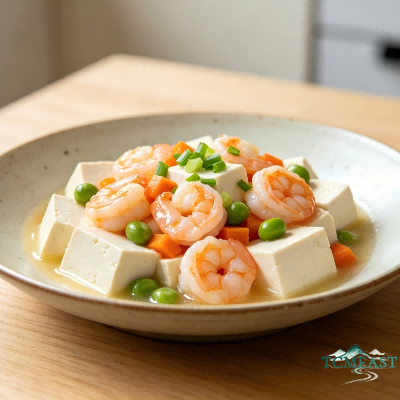
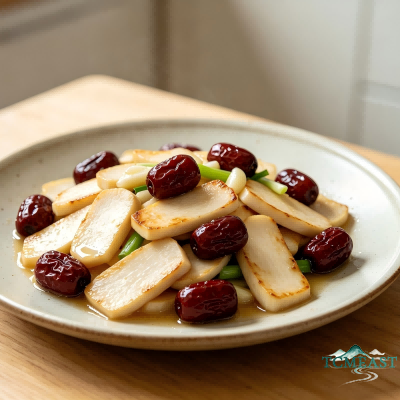
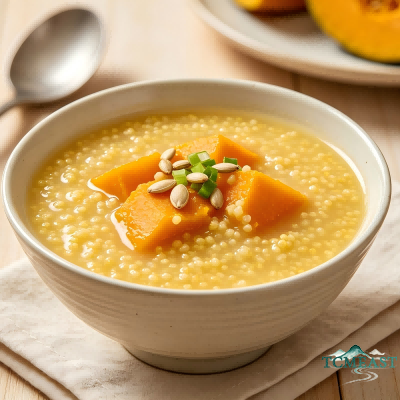
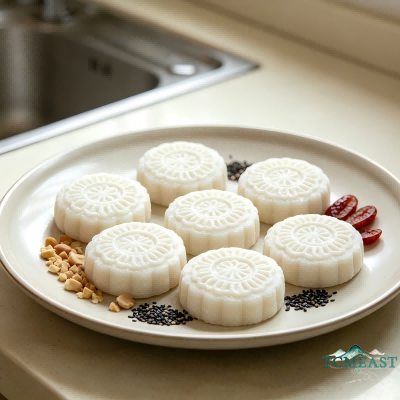
Xiazhi is not only one of the twenty-four solar terms, but was also, in ancient times, one of the festivals of the “Four Seasons and Eight Festivals” among the common people. Since ancient times, folk customs of worshipping deities and offering sacrifices to ancestors have been observed on the Summer Solstice. In addition, after the Summer Solstice, people commonly consume cooling, tonic broths (qing bu liang tang), herbal teas (liang cha), and sour plum drinks (suanmei tang) to escape the summer heat.
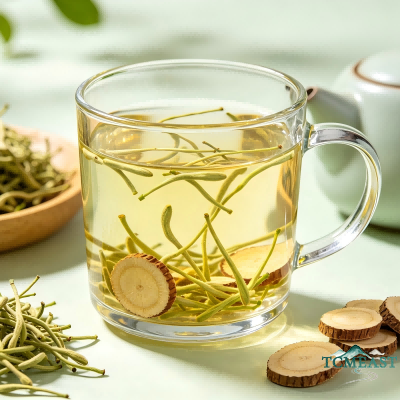
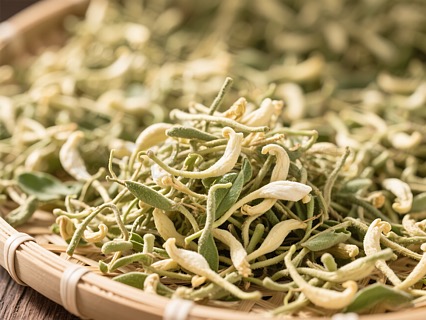
Lonicerae Japonicae Flos
IntroductionJinyinhua (Lonicerae Japonicae Flos) is a commonly used Chinese medicinal herb classified under heat-clearing and toxin-removing medicinals. It consists of the…
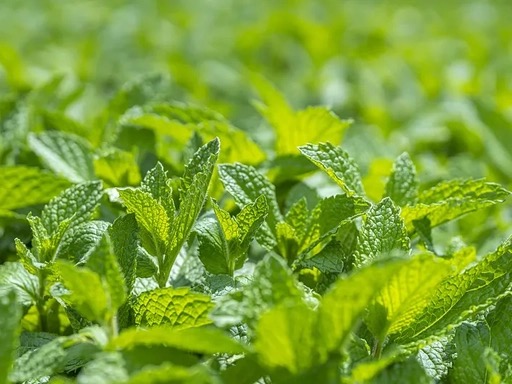
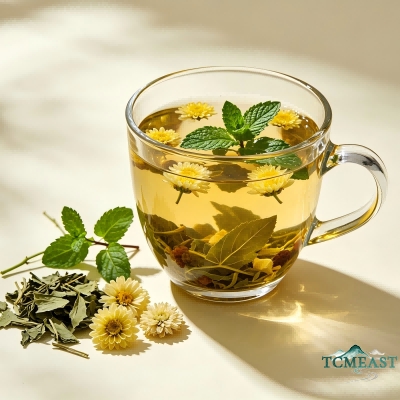
Menthae Herba
IntroductionBoheye (Peppermint Leaf), a Chinese medicinal, is the leaf of Mentha haplocalyx Briq. or cultivated mint (family Lamiaceae).
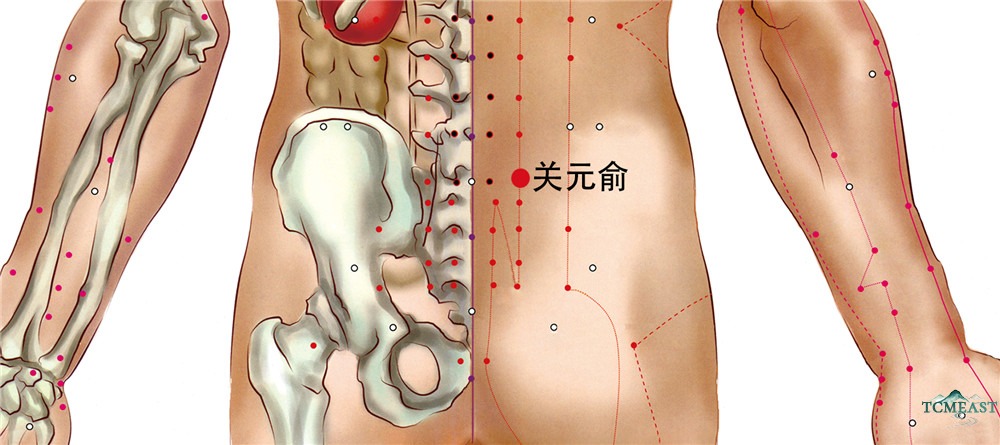
Guanyuanshu Point (BL-26 / Guanyuan Shu, Back Transporting Point of Guanyuan)
Discover the exact location and acupressure method for Guanyuanshu (BL-26 / Back Transporting Point of Guanyuan). Learn its benefits for abdominal distension, diarrhea, constipation, urinary disorders, lumbar pain, and diabetes – plus classic combinations for comprehensive treatment.
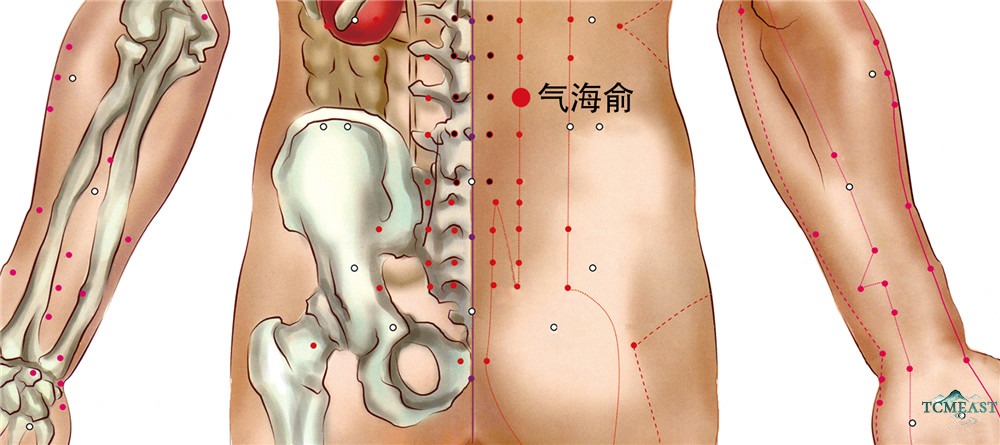
Qihaishu Point (BL-24 / Qi Sea Shu, Back Transporting Point of Qihai)
Discover the exact location and acupressure method for Qihaishu (BL-24 / Qi Sea Shu). Learn its benefits for dysmenorrhea, hemorrhoids, lumbar pain, and reproductive disorders – the Back Transporting Point of Primordial Qi – plus classic combinations for comprehensive treatment.
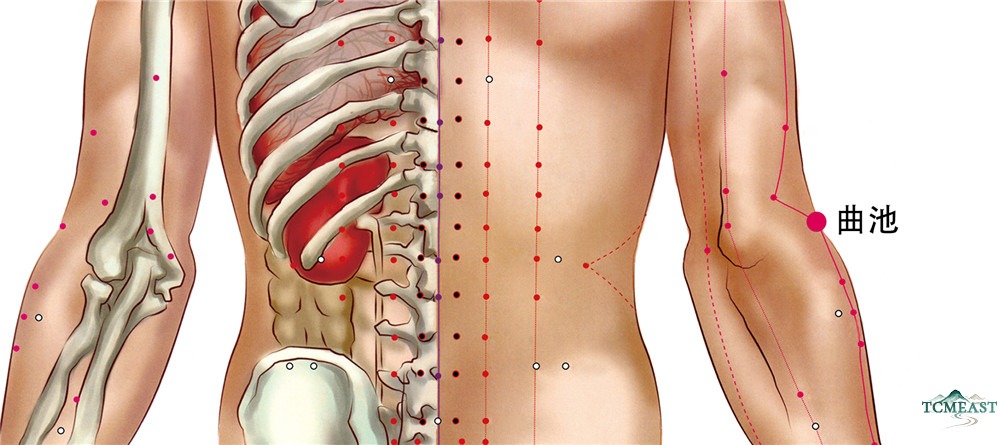
Quchi Point (LI-11 / Pool at the Crook)
Discover the exact location and acupressure method for Quchi (LI-11). Learn its extensive benefits for fever, skin disorders, hypertension, head and facial diseases, and gastrointestinal conditions, plus classic combinations and hypotension precautions.
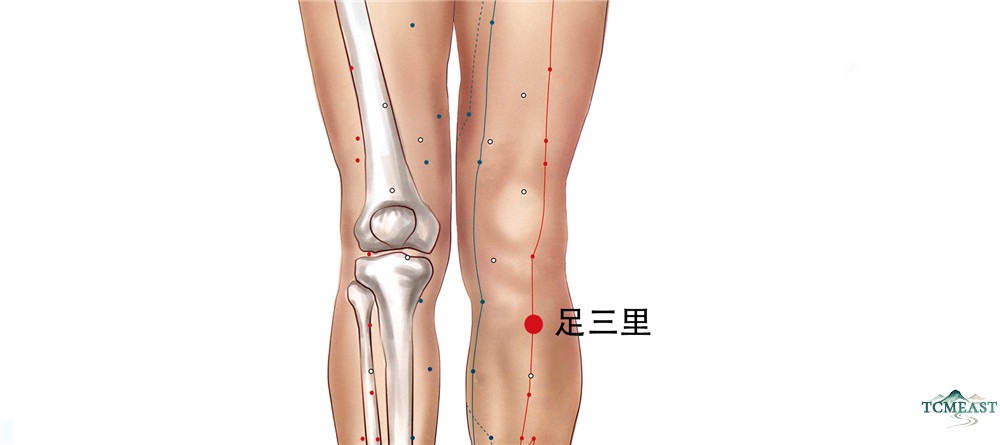
Zusanli Point (ST-36 / Leg Three Li, also known as Xialing and Guixie)
Discover the exact location and acupressure method for Zusanli (ST-36 / Leg Three Li). Learn its benefits for gastrointestinal disorders, lower limb conditions, and health preservation – the primary point for abdominal disorders and the most important point for strengthening the body.
