

Summer
Beginning of Summer
May 5–20
Start of Summer (Lixia) is the seventh solar term of the twenty‑four solar terms and the beginning of summer. It marks the arrival of the sun at the celestial longitude of 45°, and the name means “all things have grown to their full size by this time.” This article details its historical origins (established in the Warring States period, with welcoming‑summer rites through successive dynasties), the phenological phenomena of its three pentads (mole crickets chirp, earthworms emerge, royal melons begin to grow), farming activities (transplanting early‑season rice), and folk customs such as eating Lixia rice, weighing people, and tasting new produce. It also points out the key health‑preservation principle of adapting to the gradual increase in yang qi and regulating body and mind.
Beginning of Summer (Lixia) is the seventh of the twenty-four solar terms and the first solar term of summer, occurring annually between May 5 and 7 in the Gregorian calendar. At this time, the handle of the Big Dipper points toward the southeast and the sun reaches the ecliptic longitude of 45°. “Li” means to establish, to begin. “Xia,” in the ancient language, means “great” or “large.” All things having grown large by this point is what gives the term Lixia its name.
The twenty-four solar terms are a product of ancient agrarian civilization. Lixia was already established by the late Warring States period (circa 239 BCE). It heralds the transition of seasons and marked the beginning of summer according to the ancient lunar calendar division of the four seasons. According to the Hou Han Shu·Ji Si Zhi (Book of the Later Han, Monograph on Sacrifices): “On the day of Lixia, they welcomed summer in the southern suburbs, sacrificed to the Red Emperor Zhurong. Carriages, banners, clothing, and adornments were all red. They sang the song ‘Zhu Ming’ (Bright Red), and performed the dance ‘Yun Qiao’ (Cloud-Peak) with eight rows of dancers.” By the Song dynasty, the rites had become even more elaborate. Apart from welcoming summer, sacrifices were also offered to the Southern Marchmount Hengshan at Hengzhou, to the Southern Stabilizing Mount Kuaiji at Yuezhou, to the Southern Sea at Guangzhou, and to the River Du at Chengdu. The custom of “tasting the new” first appeared in the Ming dynasty. By the Qing dynasty, the customs had become even richer in content.
By the time of Lixia, all things flourish. After Lixia, sunshine increases, temperatures gradually rise, and thunderstorms become more frequent. Lixia is an important solar term signifying the entry of all living things into a peak season of growth. Lixia has three pentads: in the first pentad, mole crickets begin to chirp; in the second pentad, earthworms emerge; in the third pentad, the royal melon (wang gua) sprouts. Because China has a vast territory spanning a great latitudinal range, natural rhythms differ across regions. During Lixia, only the areas south of a line from Fuzhou to the Nanling Mountains present a summer scene of “thick green shade with long summer days, terraces and towers reflected in the pond.” In some parts of the northeast and northwest, the breath of spring has only just arrived at this time. Around Lixia is precisely the season for transplanting early rice seedlings across the north and south. On the day of Lixia, many places observe customs such as eating “Lixia rice,” eating eggs, weighing people, and tasting the “three new” seasonal delicacies. Entering the Lixia period, the body's metabolism accelerates, yet the heart and brain may receive insufficient blood supply, often making people irritable, restless, tired, and listless. One should arrange work and rest reasonably, supplement with nutrients, and adopt correct methods of health preservation and care.

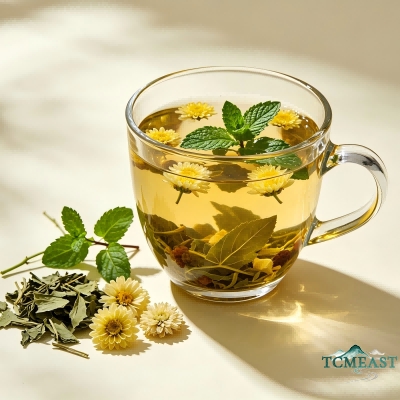
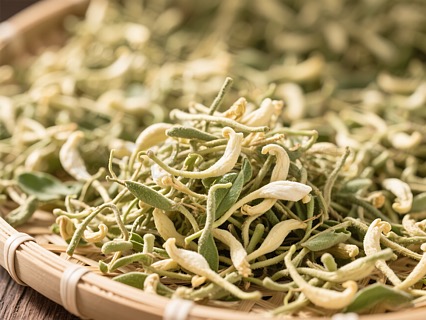
Lonicerae Japonicae Flos
IntroductionJinyinhua (Lonicerae Japonicae Flos) is a commonly used Chinese medicinal herb classified under heat-clearing and toxin-removing medicinals. It consists of the…
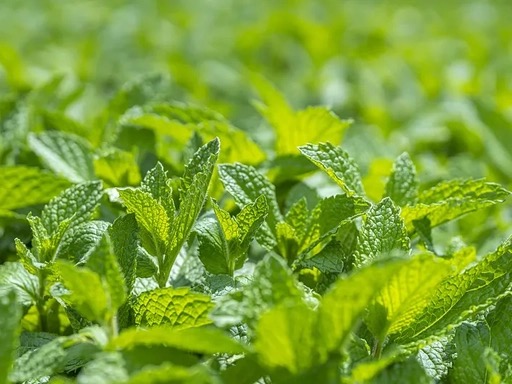
Menthae Herba
IntroductionBoheye (Peppermint Leaf), a Chinese medicinal, is the leaf of Mentha haplocalyx Briq. or cultivated mint (family Lamiaceae).
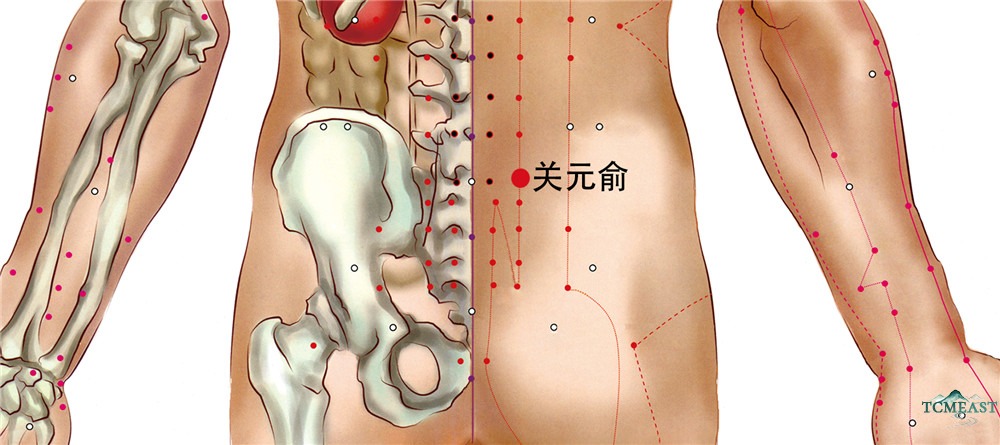
Guanyuanshu Point (BL-26 / Guanyuan Shu, Back Transporting Point of Guanyuan)
Discover the exact location and acupressure method for Guanyuanshu (BL-26 / Back Transporting Point of Guanyuan). Learn its benefits for abdominal distension, diarrhea, constipation, urinary disorders, lumbar pain, and diabetes – plus classic combinations for comprehensive treatment.
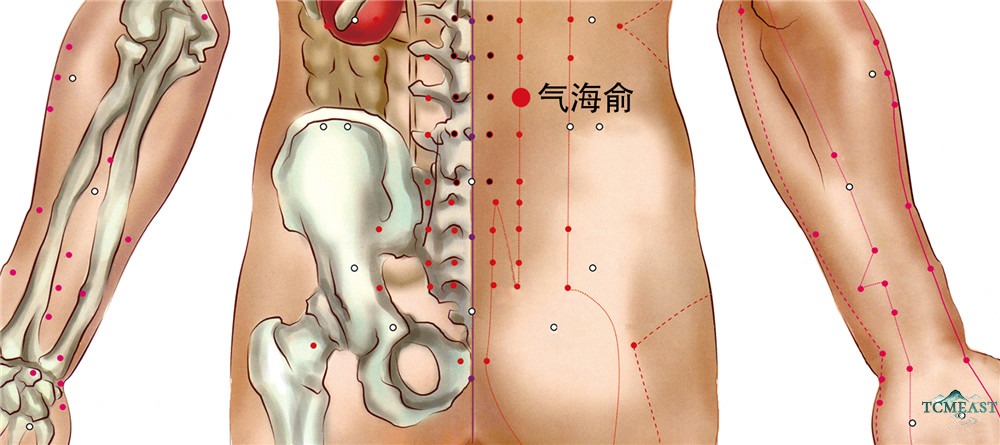
Qihaishu Point (BL-24 / Qi Sea Shu, Back Transporting Point of Qihai)
Discover the exact location and acupressure method for Qihaishu (BL-24 / Qi Sea Shu). Learn its benefits for dysmenorrhea, hemorrhoids, lumbar pain, and reproductive disorders – the Back Transporting Point of Primordial Qi – plus classic combinations for comprehensive treatment.
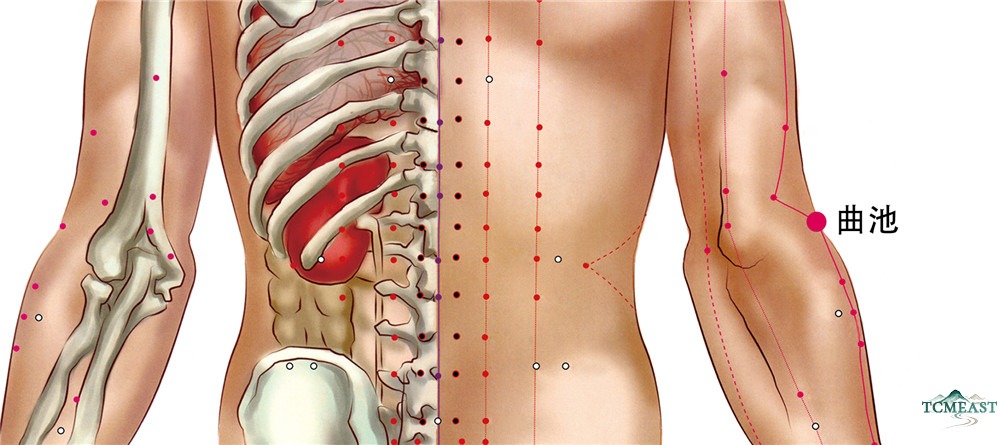
Quchi Point (LI-11 / Pool at the Crook)
Discover the exact location and acupressure method for Quchi (LI-11). Learn its extensive benefits for fever, skin disorders, hypertension, head and facial diseases, and gastrointestinal conditions, plus classic combinations and hypotension precautions.
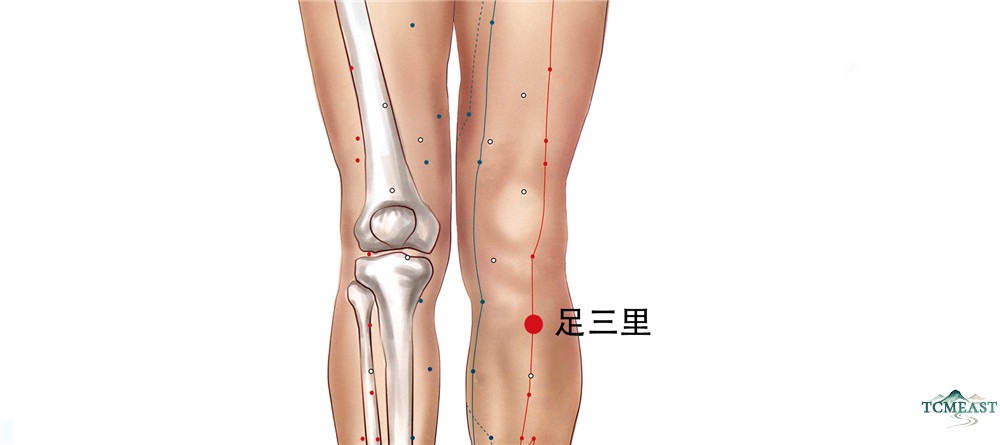
Zusanli Point (ST-36 / Leg Three Li, also known as Xialing and Guixie)
Discover the exact location and acupressure method for Zusanli (ST-36 / Leg Three Li). Learn its benefits for gastrointestinal disorders, lower limb conditions, and health preservation – the primary point for abdominal disorders and the most important point for strengthening the body.
