

Summer
Lesser Fullness
May 21–Jun 4
Grain Buds (Xiaoman) is the eighth solar term of the twenty-four solar terms, and the second solar term of summer. It marks the sun's arrival at the celestial longitude of 60°, and its name means "a little fullness" — the idea that things are just beginning to swell and fill out. This article explains its dual meaning: in the south, the rainfall gradually increases, causing rivers and streams to fill; in the north, the wheat grains are filling out but are not yet fully ripe. It analyzes the climatic differences between the north and south (continuous heavy rainfall in South China, the approaching plum rain season in the Jiangnan region, and rising temperatures with little rain in the north), and introduces unique farming customs such as sacrificing to the God of the Waterwheel, operating the three water-driven implements, rushing to fetch water, and the Silkworm Festival.
Lesser Fullness (Xiaoman) is the eighth solar term of the twenty-four solar terms and the second solar term of summer. “Xiaoman” means that all things have reached a state of modest fullness at this point. In the north, summer-ripening crops such as wheat are growing vigorously, and the grains are gradually swelling with milky substance but have not yet fully matured — hence the name “Lesser Fullness.”
Xiaoman occurs when the Big Dipper points to the celestial stem jia and the sun reaches the ecliptic longitude of 60°, typically falling on May 20–22 in the Gregorian calendar. The name Xiaoman carries two layers of meaning. First, it relates to climate and precipitation. During the Xiaoman period, rainstorms in the southern regions become more frequent, and precipitation is abundant; as the folk saying goes, “Lesser fullness, lesser fullness, rivers and streams gradually fill.” Here, the “fullness” refers to the abundance of rainfall. Second, it relates to agriculture, specifically wheat. In the northern regions, rainfall during Xiaoman is scarce or even absent; here, “fullness” does not refer to precipitation but rather to the degree of plumpness of the wheat grains.
During the Xiaoman solar term, China's southern regions generally receive frequent and heavy rainfall. The warm, moist air currents from the ocean are active and converge with cold air masses moving south from the north. In South China, this often results in sustained, large-scale heavy precipitation, leading to torrential rain or exceptionally heavy rainstorms. In the Jiangnan (south-of-the-Yangtze) region, rivers and lakes often fill to the brim. If rainfall during this phase is relatively scarce, it may indicate that the Pacific subtropical high-pressure system is weak and its position is too far south, signaling the approach of the plum rain (Meiyu) season. In the north, rainfall during Xiaoman is minimal or absent, while temperatures rise rapidly, further narrowing the temperature difference with the south.
The “Twenty-Four Solar Terms” are a product of ancient Chinese agrarian civilization. They are not only a seasonal system guiding agricultural production but also a folkloric system rich in cultural phenomena. The folk customs of Xiaoman were shaped by the characteristics of agricultural society, and the main customs include: “offering sacrifices to the cart god,” “operating the three wheels (the water wheel, oil press, and silk reel),” “water grabbing,” “the silkworm prayer festival,” and “eating wild greens.”

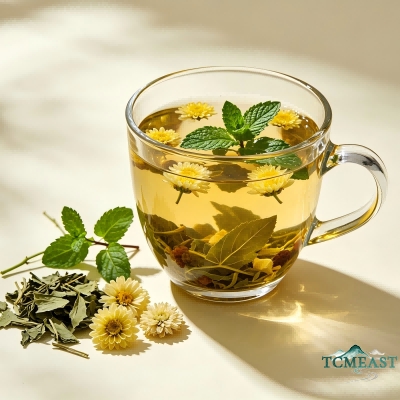
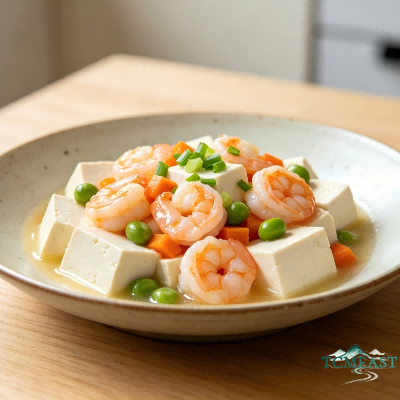
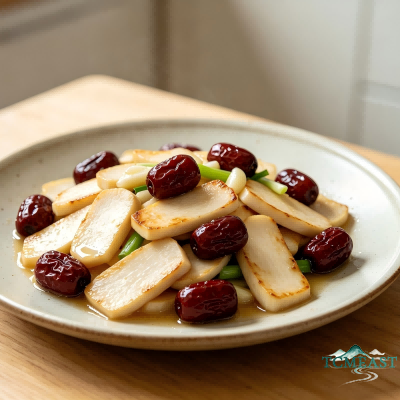
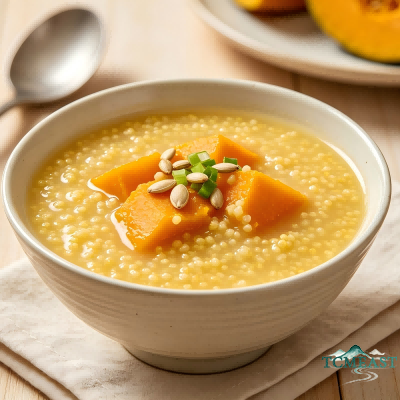
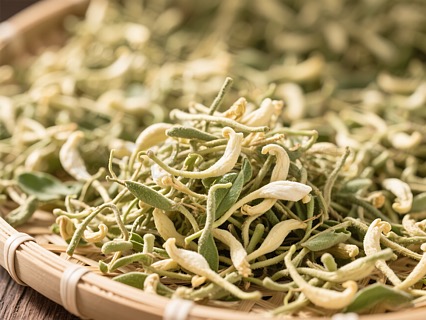
Lonicerae Japonicae Flos
IntroductionJinyinhua (Lonicerae Japonicae Flos) is a commonly used Chinese medicinal herb classified under heat-clearing and toxin-removing medicinals. It consists of the…
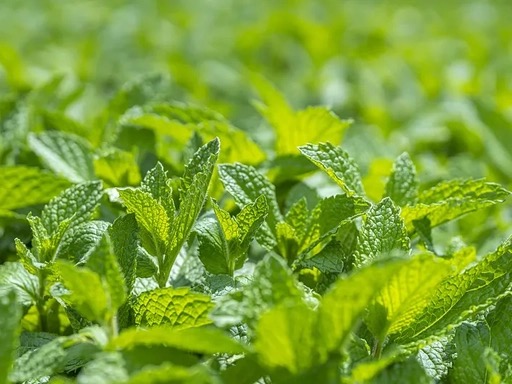
Menthae Herba
IntroductionBoheye (Peppermint Leaf), a Chinese medicinal, is the leaf of Mentha haplocalyx Briq. or cultivated mint (family Lamiaceae).
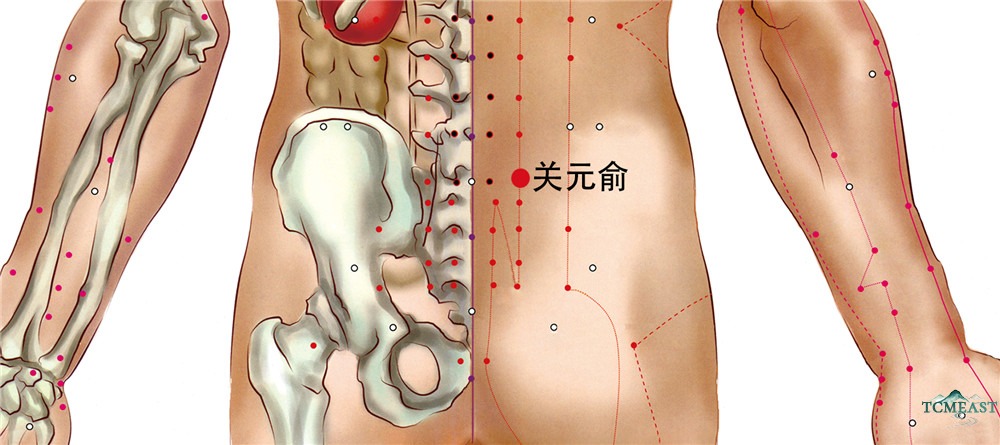
Guanyuanshu Point (BL-26 / Guanyuan Shu, Back Transporting Point of Guanyuan)
Discover the exact location and acupressure method for Guanyuanshu (BL-26 / Back Transporting Point of Guanyuan). Learn its benefits for abdominal distension, diarrhea, constipation, urinary disorders, lumbar pain, and diabetes – plus classic combinations for comprehensive treatment.
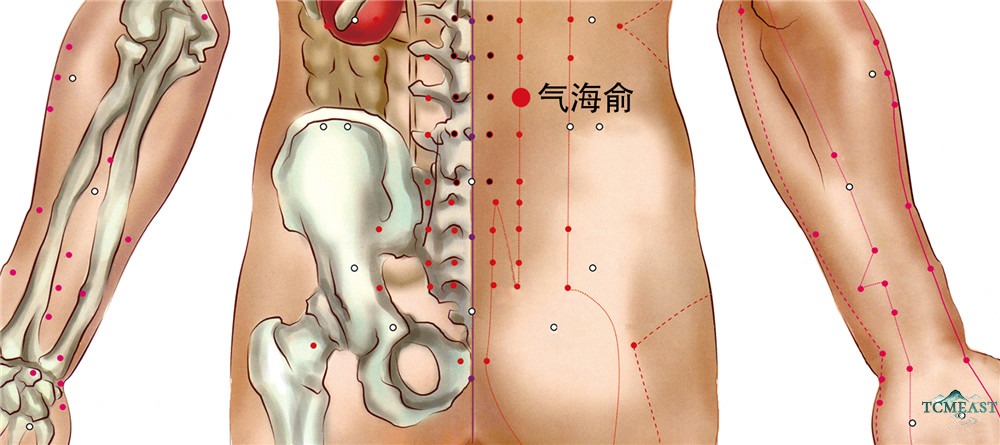
Qihaishu Point (BL-24 / Qi Sea Shu, Back Transporting Point of Qihai)
Discover the exact location and acupressure method for Qihaishu (BL-24 / Qi Sea Shu). Learn its benefits for dysmenorrhea, hemorrhoids, lumbar pain, and reproductive disorders – the Back Transporting Point of Primordial Qi – plus classic combinations for comprehensive treatment.
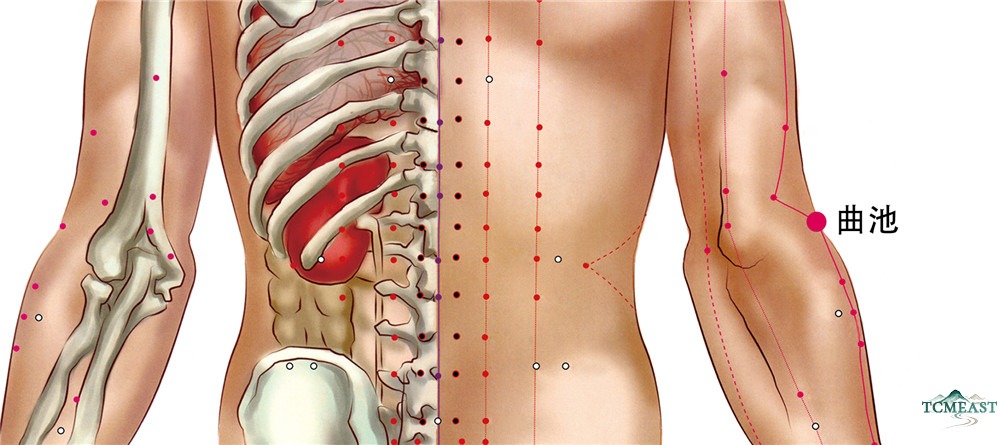
Quchi Point (LI-11 / Pool at the Crook)
Discover the exact location and acupressure method for Quchi (LI-11). Learn its extensive benefits for fever, skin disorders, hypertension, head and facial diseases, and gastrointestinal conditions, plus classic combinations and hypotension precautions.
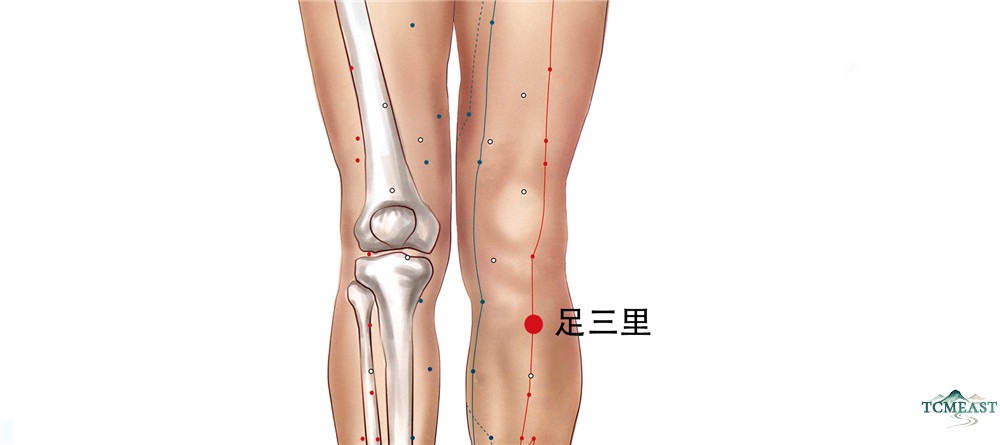
Zusanli Point (ST-36 / Leg Three Li, also known as Xialing and Guixie)
Discover the exact location and acupressure method for Zusanli (ST-36 / Leg Three Li). Learn its benefits for gastrointestinal disorders, lower limb conditions, and health preservation – the primary point for abdominal disorders and the most important point for strengthening the body.
